


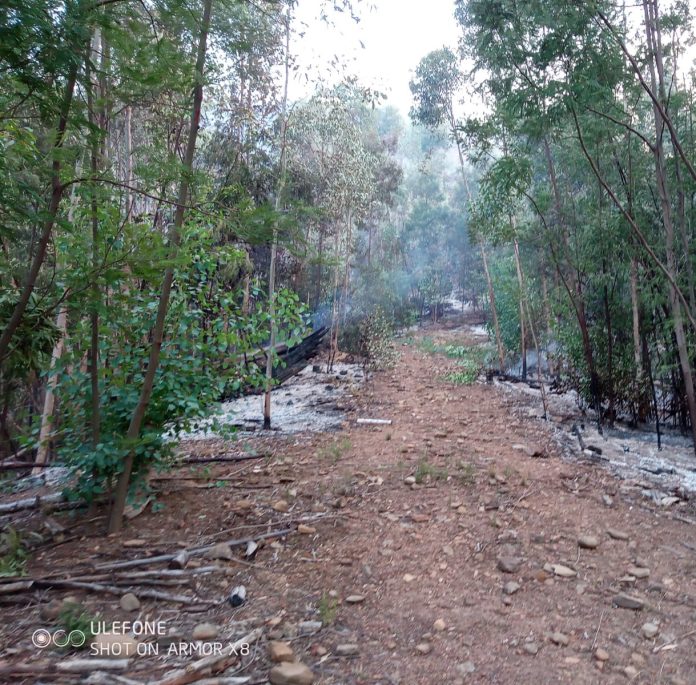
One of the organisations responsible for protecting biodiversity in the Western Cape has begun fire awareness with a drier-than-normal summer on the cards. CapeNature says the upcoming warmer and drier summer season can increase the potential for fires to start, spread rapidly and become more difficult to control. Spokesperson Luke Folb says the El Niño weather phenomenon could contribute to these conditions, which could become fuel for fires.
Folb added, “The El Niño weather phenomenon cannot itself start a fire, but it can create the conditions that make vegetation much drier. He says the fynbos, grasses and other vegetation could essentially become fuel.”
Fire awareness ahead of a drier-than-normal summer
According to Folb, El Niño is a climate pattern that can influence rainfall and temperatures. “When we have drier conditions, particularly in a region like the Western Cape that already has a naturally fire-prone landscape, it can increase our fire risk.” He says the key thing to understand is that El Niño itself doesn’t start a fire. Folb says it can create conditions that make vegetation much drier. He says the fynbos, grasses and other vegetation in the Western Cape essentially become fuel.
El Niño is a climate pattern
Folb added that the drier that fuel becomes, the easier it is to ignite and the faster a fire can spread. “When you combine very dry vegetation with high temperatures, low humidity and strong winds, you can get extremely dangerous fire-weather conditions.” He remarked that people have seen how quickly fires can spread under those circumstances in the province.
The Western Cape has a naturally fire-prone landscape
Folb has also asked members of the public to remember this code: 30-30-30. He says when the temperature is above 30, the humidity is below 30 and the wind speed is above 30 km/h. no flames are allowed. He added, that while he can’t say that El Niño will automatically mean more fires, a warmer and drier season can certainly increase the potential for fires to start, spread rapidly and become more difficult to control.