


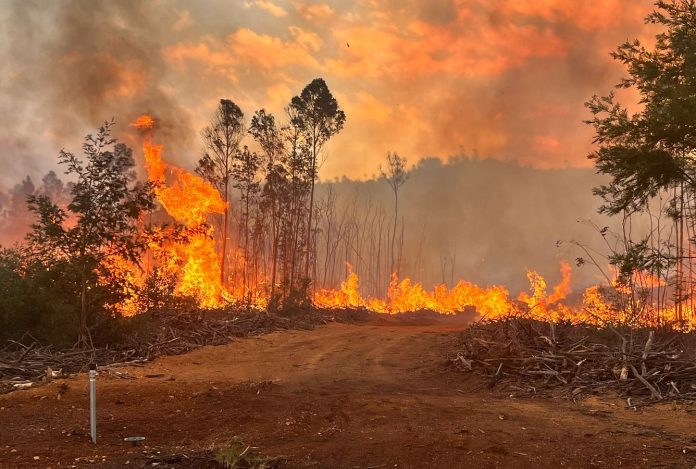
CapeNature has launched a special edition of its Green Noise podcast, offering an urgent and human-centred look at South Africa’s recent wildfire season, with a strong focus on the devastating fires in the Cederberg Wilderness.
The blaze, which started on 22 December 2025 along Uitkyk Pass, burned through approximately 53,000 hectares before being contained on 5 January 2026.
The fire affected both protected areas managed by CapeNature and neighbouring private land, leaving a lasting impact on the landscape.
Although the fire is no longer active, several hiking trails, wild camping areas and key sites in the region remain closed to allow for safety checks, rehabilitation and natural ecosystem recovery.
The newly released podcast series, which went live in April 2026, takes listeners to the frontlines of wildfire response. It features firsthand accounts from aerial firefighting crews, conservationists and climate experts, unpacking the complexity of managing fires in rugged terrain like the Cederberg.
Among the insights shared are the critical role of helicopters, the importance of early response and coordinated command systems, and the intense physical and mental demands placed on firefighting teams. Experts also stress that aerial support alone cannot stop fires, highlighting the essential work done by ground crews to contain and extinguish hotspots.
A major theme throughout the series is the growing influence of climate change on wildfire behaviour. Shifting weather patterns, including prolonged heat, erratic rainfall and changing wind systems, are all contributing to longer fire seasons and more intense blazes.
CapeNature Conservation Manager Monique Ruthenberg says while fire is a natural part of fynbos ecosystems, there has been a noticeable increase in both the frequency and intensity of fires. She attributes this to a combination of climate pressures and human factors, including increased activity in natural areas and development near protected zones.
Climate specialists featured in the series echo these concerns, noting that global warming is already reshaping fire regimes, increasing risks and placing added strain on emergency response teams.
Beyond the operational challenges, the podcast also highlights the human and environmental toll. In biodiversity-rich areas like the Cederberg, fires have destroyed vegetation that can take years, even decades, to recover, while local livelihoods such as farming and small-scale harvesting have also been impacted.
The Green Noise series has also earned recognition, with its third season named a finalist at the International Tourism Film Festival Africa 2026, continuing its role in amplifying stories around nature, conservation and sustainability.
The special wildfire series is now available on CapeNature’s website and major podcast platforms, offering listeners deeper insight into how climate change, conservation and emergency response intersect in protecting the Western Cape’s natural heritage.