


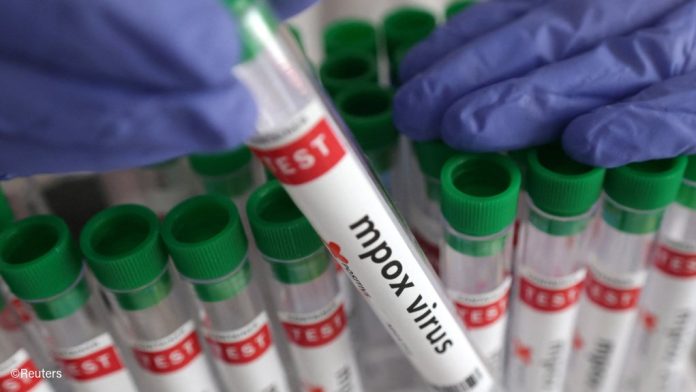
The National Health Department has raised concerns over a recent increase in mpox cases, the majority of which have been recorded in the Western Cape.
The department’s Foster Mohale noted that as of Thursday, 17 September, 18 confirmed cases have been recorded, with one probable case of mpox.
“One of the most recent cases involved an individual who travelled to Spain earlier this month and returned to South Africa on 14 September. This person underwent testing in Spain after being informed of his probable case status. South African health authorities are in are contact with the Spanish counterparts regarding laboratory test results of the individual to confirm his mpox status,” said Mohale.
15 of those confirmed cases come from the Western Cape, particularly in Cape Town. Two others were recorded in Gauteng and one in KZN.
“All cases/patients range in age from 23 to 50 years, with a median age of 36.5 years, and 18 of them are males with only 1 female.”
Mohale said this requires immediate and sustained public collaboration to contain further spread of the virus.
“Of concern is that 13 of the total cases were recorded between 13 August and 17 September, which suggests a rapid local transmission of this preventable viral infection.”
Mohale reiterated that Mpox can affect anyone and usually develops 5–21 days after exposure. Symptoms include fever, headache, muscle aches, fatigue, and a rash or skin lesions that progress from red spots to bumps, blisters, pus-filled lesions and scabs. It spreads mainly through close physical contact, contaminated items, and prolonged face-to-face exposure.
He said anyone with symptoms, particularly after contact with a confirmed or suspected case, should seek medical attention promptly and avoid close contact with others.


