


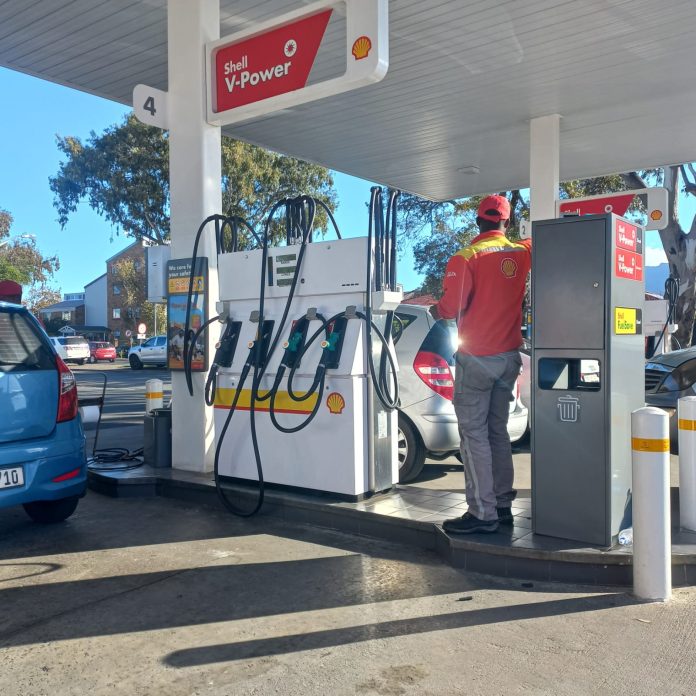
Motorists will enjoy some relief at the pumps for July, with some economists anticipating further drops in fuel cost if the situation in the Middle East remains calm.
The Department of Mineral and Petroleum Resources confirmed that, as of midnight on Wednesday, 93-octane petrol will decrease by R2.01 per litre, while 95-octane petrol will fall by R1.96 per litre. Diesel drops by between R3.14 and R3.59 per litre.
“The reasons for these adjustments are the lower oil prices on average during the period under review and the stronger Rand against the U.S. dollar during the same period,” said department spokesperson Robert Maake.
Maake also confirmed that “the short-term fuel levy relief has been phased out, effective from Wednesday”.
Economist Dawie Roodt said prices could have fallen further, if not for the fuel levy relief implemented earlier this year. He anticipates that the Treasury will maintain higher fuel levy rates over the next few months to make up for those losses.
“I think the Minister of Finance is likely to keep the fuel levy a little bit higher over the next couple of months to make up for the losses that he experienced because of those three months with a lower fuel levy,” said Roodt.
Despite this, he is hopeful that fuel costs will continue to decline in the coming months if geopolitical tensions remain contained.
“I think that the oil price will come down even further, well below $70 a barrel of Brent. And I won’t be surprised if we see the Rand becoming stronger, at even better than $16 to the US dollar. And that means further falls in the [fuel] price, and within the next couple of months, 10 months or so, a significant fall in the inflation rate as well,” said Roodt, noting that a drop in inflation may create an opportunity for the Reserve Bank to reduce interest rates.
ALSO READ: Inflation jumps to two-year high as fuel costs squeeze consumers – Smile 90.4FM
“For now, of course, it’s always the risk that there can be a flare-up of the hostilities in the Middle East. Then all bets are off the table. But for now, the outlook looks quite positive.”


