


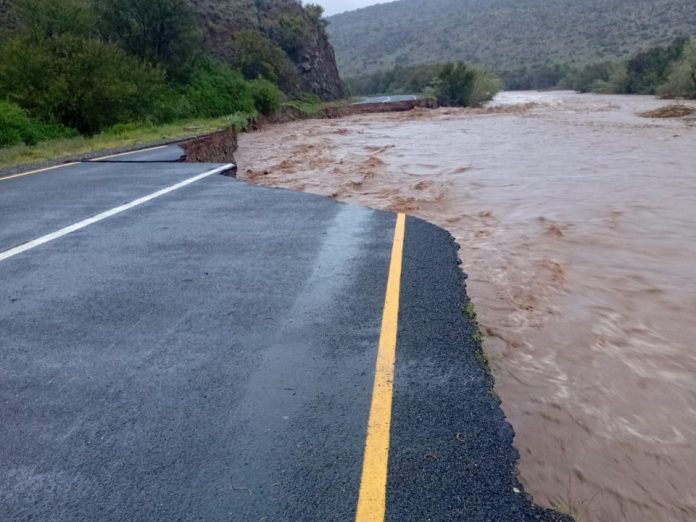
The Western Cape Government says recovery efforts are continuing across the province following consecutive severe weather events that left at least 11 people dead, displaced thousands and caused extensive infrastructure damage.
Premier Alan Winde, Local Government MEC Anton Bredell and Agriculture MEC Ivan Meyer on Monday briefed the media on the ongoing disaster response and recovery operations.
The province has requested that the latest storm system be classified as a national disaster, separate from the earlier Garden Route disaster declared earlier this month.
The storms brought between 150mm and 200mm of rainfall in mountainous areas, while winds reached up to 120km/h, triggering widespread flooding, storm damage, power outages and transport disruptions across all districts.
The hardest-hit areas include Worcester, Rawsonville, Wolseley, Ceres, Citrusdal, Vredendal, Lutzville and informal settlements across the City of Cape Town.
Winde said the province was now entering a lengthy recovery phase following what he described as one of the largest disaster incidents the province has managed.
“We saw concrete platforms of where a house used to be. You saw a gap in the river where a bridge used to be,” Winde said following an aerial assessment of affected areas.
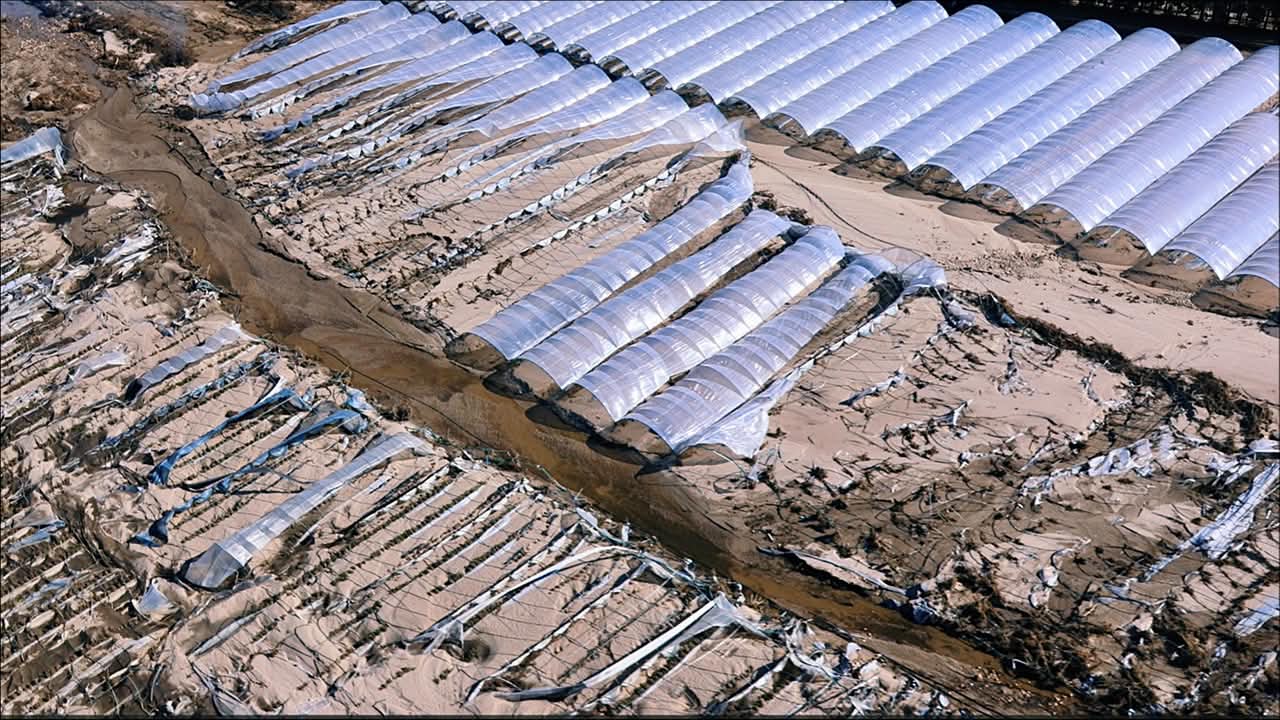
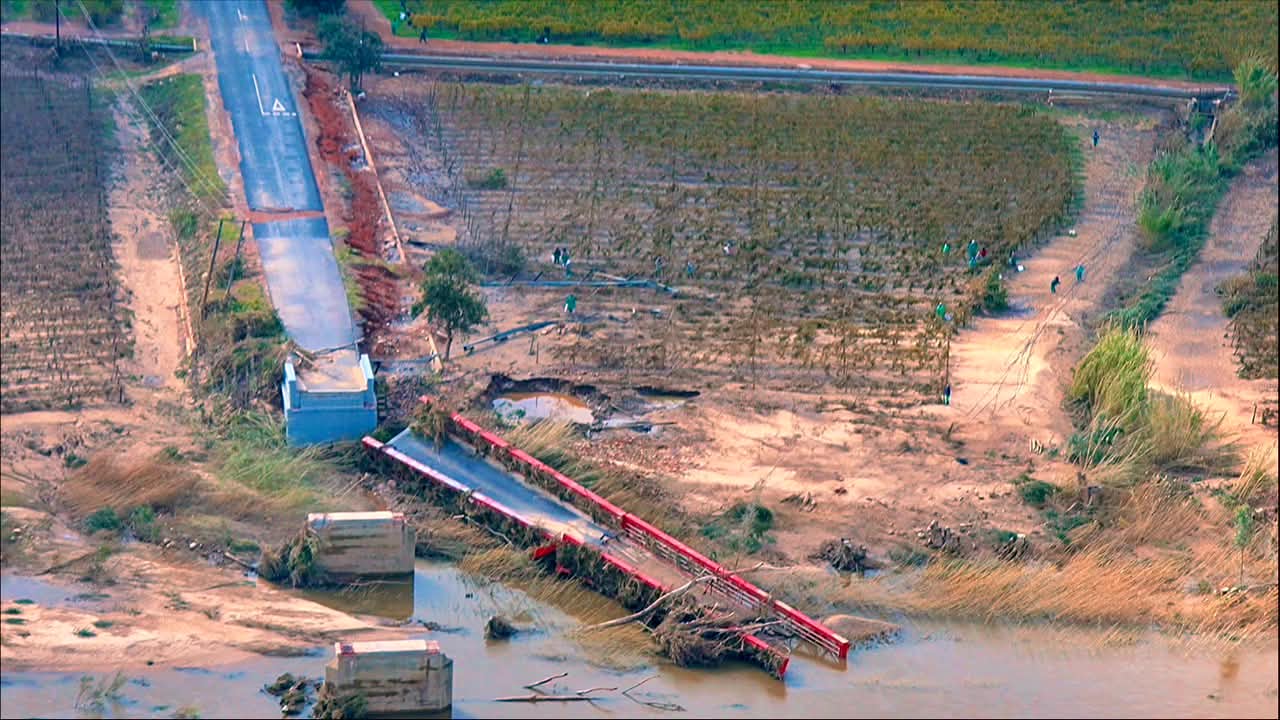
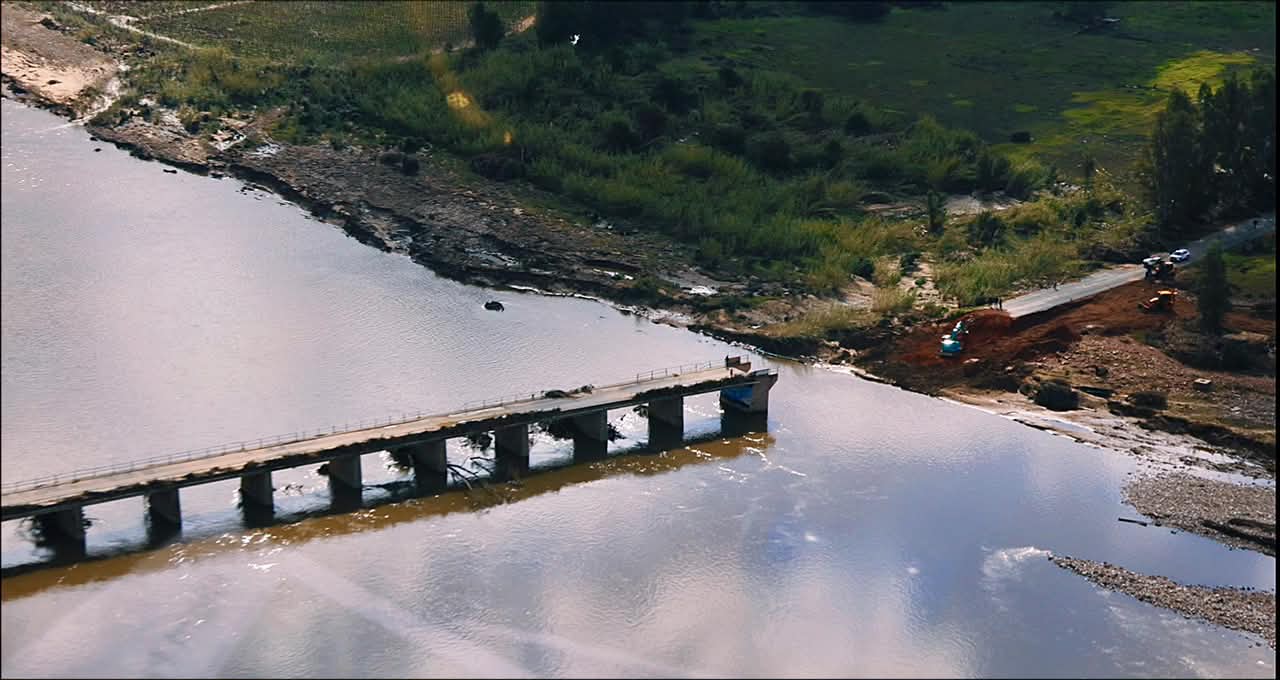
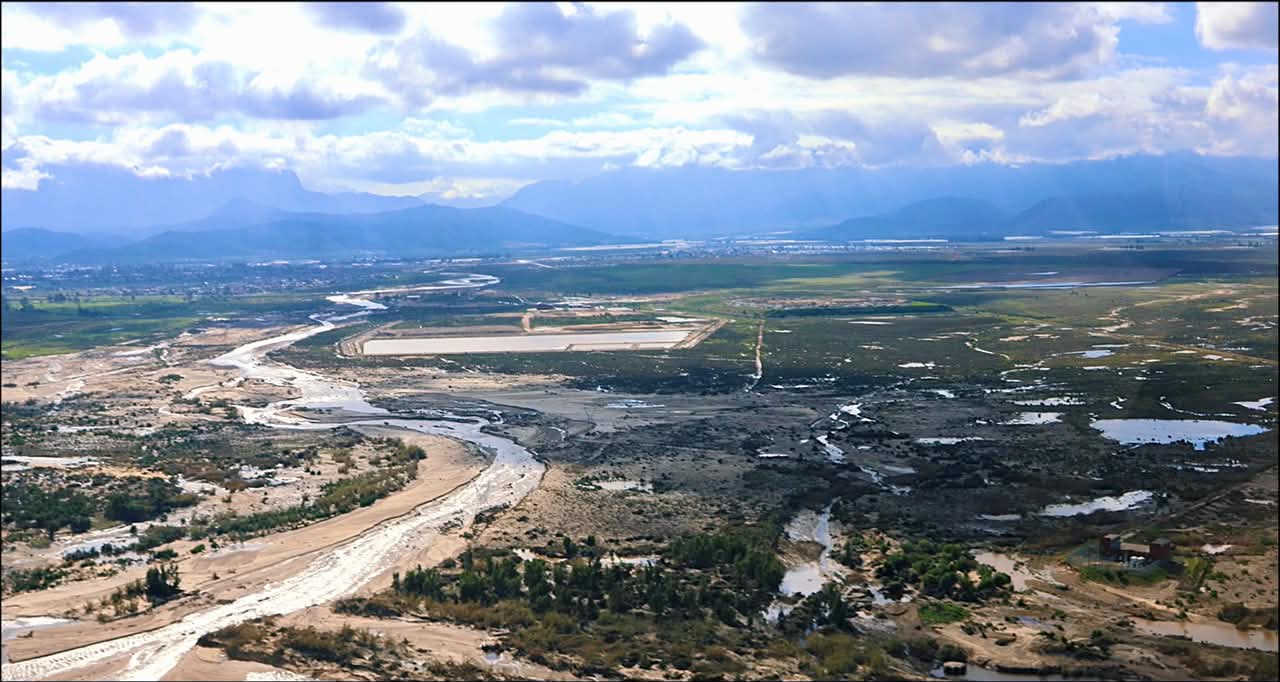
He added that recovery costs were expected to run into “hundreds and hundreds of millions”, while agricultural losses could reach billions of rand.
“There has been good progress. But there is still a lot of work ahead. All our disaster management teams and other stakeholders are working as hard as they can to reopen all roads, repair damaged infrastructure, and restore critical services.”
According to provincial disaster management head Colin Deiner, more than 103,000 people were affected in Cape Town alone, while over 21,500 structures were damaged in the metro. Tens of thousands more residents were affected elsewhere in the province.
Approximately 651 people were rescued during the disaster response operation involving emergency medical services, SAPS water units, NSRI teams, volunteer rescue organisations and air support from the South African National Defence Force.
The N1 through the Hex River Valley was among the worst-affected transport routes, with approximately 250 trucks and 22 buses stranded during flooding near the Huguenot Tunnel.
Relief operations remain ongoing across the province, with authorities confirming that nearly 18,500 cooked meals, more than 1,000 food parcels, blankets, hygiene packs, bottled water and emergency shelter support have been distributed to affected residents.
Temporary shelters remain operational in several districts.
The province’s combined dam levels increased sharply from 52.46% last week to 70.59% following the storms, although authorities warned that saturated ground and unstable trees remain a major risk.
Eleven schools remained closed on Monday due to flood damage and accessibility concerns.
Electricity restoration efforts are continuing, with Winde praising Eskom and municipal teams despite difficult terrain and damaged infrastructure hampering access to some communities.
MEC Meyer said the agricultural sector had suffered severe losses, particularly in the Hex River Valley, Grabouw, Ceres and Bonnievale regions.
“We are busy with the verification exercise, but I can tell you it is not in the millions. It is in the billions of what I have seen.”
He said vineyards, irrigation systems, roads, bridges and soft-fruit farms sustained major damage, compounding existing pressures on farmers from drought, foot-and-mouth disease, rising fuel prices and export challenges.
Provincial leaders also highlighted climate change as a growing factor behind increasingly severe and frequent weather events.
Bredell said climate resilience planning had become a standing focus of the provincial cabinet, while Winde warned that long-term human settlement planning would need to address communities living in flood-prone areas.
“Our thoughts are with the families and loved ones of the 11 people who died,” Winde said.