
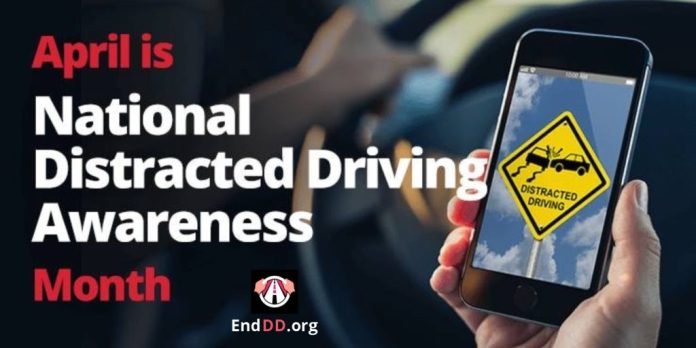
A 5-Second Phone Glance Can Kill While You’re Driving. With many people on the road every day, road safety experts are urging South Africans to make one simple decision: never drive distracted. This comes in the wake of April being Distracted Driving Awareness Month.
“Looking at your phone for just four to five seconds is like driving the length of a rugby field with your eyes closed,” Herbert said.
A 5-Second Phone Glance Can Kill While You’re Driving: Road safety
Insurance data shows distracted driving increases the likelihood of a crash by up to 60%. According to the World Health Organisation, using a mobile phone while driving increases crash risk fourfold, including hands-free and Bluetooth use.
“People believe they can manage driving and distractions,” said Eugene Herbert, CEO of MasterDrive. “Scientifically, that’s impossible. The brain doesn’t multitask — it switches attention.”
At 120 kilometres per hour, a car travels 33 metres every second. “Looking at your phone for just four to five seconds is like driving the length of a rugby field with your eyes closed,” Herbert said.
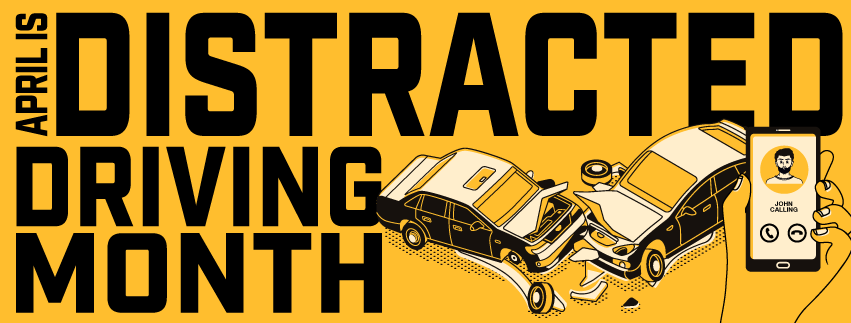
Road safety: Driver distraction is a major contributor to fatal crashes
In South Africa, the Road Traffic Management Corporation consistently lists driver distraction as a major contributor to fatal crashes, especially during peak holiday travel periods. And it’s not just phones.
READ MORE: About the Month
Possible Distractions:
- Eating or drinking behind the wheel
- Adjusting the GPS, radio, or climate controls
- Conversations with passengers, particularly children in the backseat
- Daydreaming or emotional distraction
- Applying makeup or grooming
- Reaching for objects inside the vehicle
- Inattentive driving
- Any activity that takes your eyes off the road, your hands off the wheel, or your mind off driving.
“With families travelling together this Easter, distracted driving becomes even more deadly,” Herbert warned. “Don’t risk lives for a message, a snack, or a song change.”
Road safety experts are urging drivers to take a personal pledge this April: if you’re driving, nothing else matters.
Businesses are in a powerful position to motivate change
Herbert says businesses are in a powerful position to motivate change. He says managers can implement a distracted driving policy in which employees pledge to avoid DWD. They can distribute educational resources, actively encourage employees and model a workplace culture that values road safety with no tolerance for DWD.
MORE ABOUT: The Local Project