


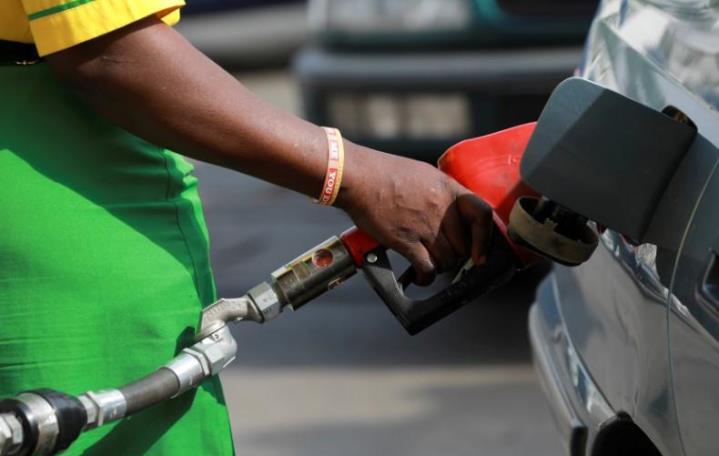
Some fuel retailers have hiked their diesel prices pre-emptively ahead of the official announcement, which is now expected on Friday, 27 March.
On 24 March, in an internal communication by Total Energies, the company recommended, at retailers’ own discretion, that the price of diesel should be gradually increased to the anticipated price increase on 1 April.
The company says this is to negate any abnormal demand in respect of service stations.
Total Energies says the global crisis has resulted in an overall increase of R6 per litre in its wholesale prices, in addition to “extraordinary logistic costs.”
As a guideline to retailers, the company therefore said the daily diesel pump price adjustment could be as follows:
- Wednesday, 25 March 2026: increase by an additional R6.00 per litre;
- Thursday, 26 March 2026: increase by an additional R1.00 per litre; and
- Friday, 27 March 2026: increase by an additional R1.00 per litre.
This amounts to an overall increase of up to R8 by Friday, 27 March, compared to the retail pump price of diesel as at 28 February.
According to reports, numerous fuel retailers operating under the Total Energies name have already made these adjustments.
The price of diesel is not regulated at the retail level, making it possible for retailers to set their own selling prices, resulting in differing prices between sites.
The latest data of the Central Energy Fund places diesel on track for increases of between R9.67 and R9.81 per litre from 1 April, which will mean that retailers that already hiked their prices by R8 on Friday would only need to hike prices by the shortfall, come 1 April.
(Petrol is on track to increase by over R5)
Meanwhile, there have been numerous reports of localised diesel “shortages”, which may be a combination of consumers’ panic buying or retailers rationing their own supply to prevent their stations from completely running dry.
Premier Alan Winde has stressed that these are supply Issues, and not shortages, noting that it has particularly affected the Garden Route and West Coast districts.
Winde has warned suppliers against holding back fuel in anticipation of a sharp price increase expected in April, stating that some farmers reported that they were only receiving about 20% of their usual monthly diesel allocations.
The government has been at pains to stress that the country and the province has enough fuel supply, calling on consumers to purchase at their normal levels, while encouraging fair practices at the retail level.
Speaking in the National Assembly on Wednesday, the Minister of Finance Enoch Godongwana said a Cabinet committee has been established to determine what should be done about rising fuel costs due to the Middle East crisis.
It comes after the DA proposed to cut fuel levies by 50%, which will provide short-term relief to motorists.