


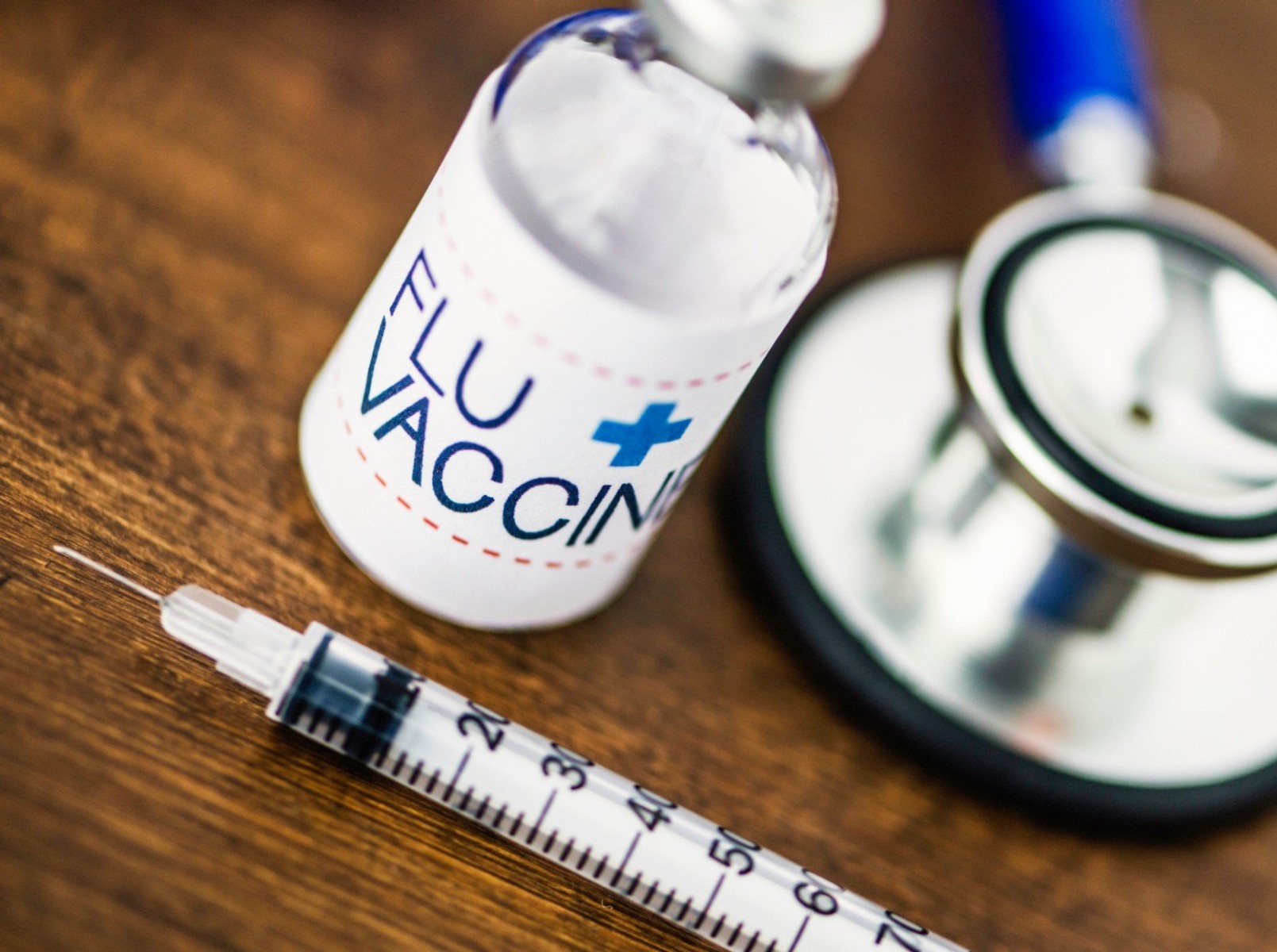
As we draw closer to the winter season, which typically sees influenza cases increase, the National Institute for Communicable Diseases (NICD) has already highlighted an increase in caseload. The City of Cape Town’s Health Directorate has therefore urged Capetonians to get their flu vaccines.
The City says its clinics are taking delivery of nearly 18,500 flu vaccines this season. It has been indicated that vulnerable groups like pregnant women, the elderly and those with chronic conditions will be prioritised.
Mayoral Committee Member for Community Services and Health, Francine Higham, says city clinics are receiving these vaccine doses and expects that, by 24 April, all facilities will have stock.
Higham says for most people, the flu requires bed rest, hydration and some pain and fever medication, but it can have severe complications for at-risk individuals.
“That is why we are encouraging these groups to get a flu vaccine to prevent the risk of infection, but also to minimise the risk of complications should they get sick,”
Other benefits of the flu vaccine are that it reduces the severity of symptoms in cases of infection and helps to reduce strain on healthcare services by preventing flu-related hospitalisations.
“This call is not limited to the public sector. Many private healthcare providers also offer vaccines, so if you have access to those networks, please use the opportunity to protect yourself and your family,” added Higham
Public Sector Facilities will prioritise the following groups for flu vaccinations:
- Persons 65 and older
- All persons living with long-term chronic conditions, including HIV, Tuberculosis (TB), heart, lung or kidney diseases, diabetes, and severe obesity.
- Children between six months and 18 years who take long-term aspirin medication
- Pregnant and post-partum women as the flu can cause serious complications for both the mother and the unborn baby.
Managing/Mitigating infection:
- Good hygiene habits are critical to mitigating the risk of infection.
- When coughing, cough into your elbow instead of your hands.
- Wash your hands regularly and thoroughly
- Should you get sick, stay home, hydrate and get plenty of rest. Symptoms could take up to 10 days to resolve.
- If you must leave home while symptomatic, wear a mask in public.
- Monitor for signs of secondary bacterial infection, like fever, rapid breathing, discoloured sputum, etc.
Residents have been advised that if they do experience an ongoing high fever, fast breathing, and cough with heavy discoloured sputum, they need to seek medical attention and may require antibiotics.


