


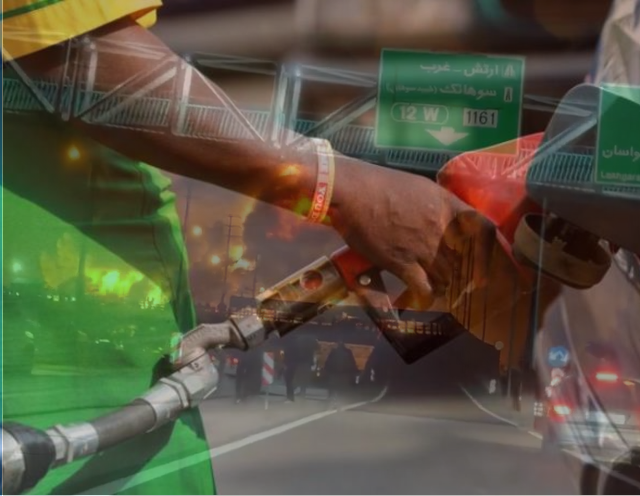
With the ongoing war in the Middle East and strikes on oil facilities there, the Department of Mineral and Petroleum Resources (DMPR) has assured South Africans that fuel supply remains stable – but fuel costs are anticipated to be higher from April, potentially affecting household budgets.
In a statement, the (DMPR) advised that it has been in contact with oil companies in the Middle East in this regard and have been assured of the “stability and security” of fuel supply. It noted that it is monitoring the situation in the Middle East, and its impact on oil markets and fuel prices.
“While prolonged geopolitical tensions may exert pressure on international oil prices, the Department wishes to assure the public that there is currently no immediate risk of fuel shortages in South Africa.”
Despite the reassurance on supply, motorists are likely to face higher fuel costs from April. The department noted this, three weeks ahead of confirming fuel price adjustments for the month – which is expected to be effected on Wednesday, 1 April.
“Unfortunately, the continued rise in international crude oil prices is expected to result in higher fuel prices at the pump from April 2026,” the statement read.
The department noted that the “under-recovery on fuel prices has been fluctuating” since the start of the war in the Middle East.
Reaction to fuel cost impact
Lead Economist at KPMG South Africa, Frank Blackmore, explained that conflict in the Middle East has driven significant increases in global oil prices.
“The war in Iran and most particularly, the supply blockages of oil through the strait of Hormoz has led to increases in the oil price from around $68 dollars prior to the start of the war to around $105 barrel currently, that’s about a 54% increase,” he said.
ALSO READ: Oil prices surge past $100, warning of fuel pain for South Africa – Smile 90.4FM
Blackmore added that the weakening rand is also adding pressure on local fuel prices.
“At the same time, we have seen the currency depreciate from R15.92 all the way to R16.75 currently – around 5% depreciation,” he said.
He anticipates that the base cost of fuel (before government taxes, levies, etc) may go up by a few Rands.
“What this means for the fuel prices, is that the basic fuel price will go up at an estimated 42% and the new price would be around R5.30 higher for April than it would have be in March. This represents a 26% increase in prices to a level for 95 Octane inland that is still below the highest we saw a year or so ago at the height of inflation,” said Blackmore.
Meanwhile, consumer finance experts warn that households could feel the effects beyond the petrol pump.
Money coach at 1Life’s Truth About Money, Hayley Parry, said a sharp fuel price hike could place significant strain on household finances.
“A sudden R8-per-litre fuel increase would have a severe impact on households,” Parry said.
She added that consumers should prepare for potential knock-on effects on everyday expenses.
“It would increase food prices, electricity costs and affect everyday living expenses. However, proactive planning, careful budgeting, and reducing fuel dependence where possible can help soften this impact,” she said.
She urged to avoid unnecessary spending and new debt, and to put save money for the next month or two to “soften the blow”.


