



Is there a boring budget on its way? That’s what Chief Economist at PSG Financial Services, Johann Els seems to think. Not only does he think so, but he thinks a Boring Budget is Good News. Els has written an article where he shared this thoughts and opinions on the upcoming Budget, at the end of the month.
Is there a boring budget on its way?
There are years when markets brace for drama. This is unlikely to be one of them. My central view is that Budget 2026 will be relatively boring, and that’s exactly why it could be good news. Unlike 2025, when negotiations within the GNU led to multiple budget versions and visible uncertainty, this year should be much smoother. One budget. One framework. One adoption. That alone is progress.
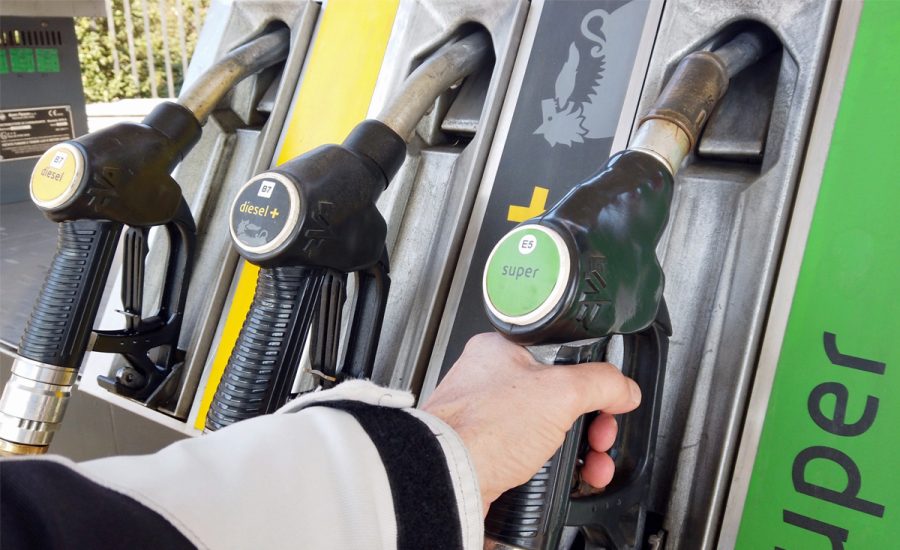
More importantly, the 2025/26 outcome is likely to be materially better than the original targets, driven mainly by revenue over-performance rather than spending cuts. That reduces the need for unpleasant surprises. No major tax hikes. No emergency measures. Probably just the usual fuel levy and sin taxes.
In this environment, boring is constructive
There should also be some solid improvement in the actual numbers. I expect the consolidated budget deficit to narrow to -4.2% in 2025/26 and -3.4% next year, compared to targets of -4.8% and -3.8%. The primary surplus should come in around +1.0% this year (vs +0.7% target) and +2.0% next year (vs +1.6%). If that materializes, markets will take comfort that the debt ratio can start edging lower over the next few years. That changes the tone quite a bit. In this environment, boring is constructive.
Revenue: The Upside Story
The improvement starts with tax revenue. Three areas stand out.
Mining taxes:
Higher precious metals prices – especially gold and PGMs – have boosted profitability meaningfully. Corporate income tax from mining is likely tracking well ahead of February projections. Given how important precious metals are in our mining base, that matters. Global safe-haven demand is effectively feeding into domestic fiscal support.

VAT:
VAT has held up better than weak real GDP would suggest. Consumer spending and formal sector turnover have been firmer than expected, and compliance has improved as well.
Personal income tax:
The labour market has stabilized at the margin, wage growth remains firm, and there’s been little bracket relief. That combination has supported collections.
Put together, this points to a meaningful revenue overrun. Importantly, some of it looks structural, with revenues not only benefiting in the current year, but the benefit will spread over the next few years as well.
Treasury is unlikely to account for all of the expected overrun in the budget though, allowing for more positive surprises going forward. Stronger SARS enforcement will also lift the effective tax take without raising headline rates. That reduces pressure for new tax measures. Treasury doesn’t need to shock anyone this year — and I doubt they will.
From Symbolic to Real Primary Surpluses
The strategy has always been to run a primary surplus. The real debate is about size.
A small surplus slows debt growth. A bigger one stabilizes the ratio. A sustained one eventually reduces it.
If revenue continues to surprise on the upside, Treasury should be able to lift the primary surplus meaningfully above earlier projections. That lowers borrowing needs and brings debt stabilization forward.

The math isn’t complicated: with moderate nominal growth and high interest costs, the primary balance does the heavy lifting. Revenue out-performance makes this achievable without politically difficult spending cuts.
The structural pressure points remain — especially compensation and baseline spending commitments — but the revenue surprise buys Treasury some breathing room.
Not dramatic. Just constructive.
Fiscal Targets and GNU Stability
Another improvement is procedural stability.
Last year’s budget process was messy. This year looks more predictable. A single, coordinated framework suggests improving policy coherence within the GNU.
If the primary surplus path is entrenched in legislation rather than negotiated annually, fiscal consolidation becomes policy architecture rather than political bargaining.
Execution still matters. Revenue overruns must go to deficit reduction, not quietly absorbed into new baseline spending. If Treasury uses this window wisely, credibility improves meaningfully.
Markets don’t need excitement. They need consistency.
Debt, Guarantees and Growth
For the first time in years, credible debt stabilization feels within reach. South Africa can’t control global rates, but it can control its primary balance.
If the surplus strengthens as expected, debt could stabilize earlier and at a lower peak than previously projected. Importantly, stabilization also requires restraint on new guarantees and contingent liabilities — that discipline will be key.

But consolidation alone isn’t growth policy. It buys time.
The bigger prize is higher potential growth through deeper private sector participation. Energy reform has shown what’s possible. The same approach needs to extend to logistics, infrastructure and regulation. South Africa doesn’t lack capital; it lacks confidence.
Even gradually lifting potential growth toward 3% would materially improve the debt trajectory over time.
Ratings and the Bigger Picture
Ratings agencies are focused on sustained primary surpluses and credible debt stabilization. A budget that beats its own targets, avoids new taxes and passes smoothly through the GNU reinforces the view that fiscal deterioration has been arrested. Further ratings upgrades are likely this year. SA could potentially be back in investment grade – by at least one agency – within two to three years.
No fireworks. No instant upgrades. But steady momentum — and that counts.
Bottom Line
 Bottom Line
Budget 2026 is unlikely to be exciting. No sweeping reforms. No tax shocks. Just incremental adjustments — and importantly, one adopted budget rather than three.
But beneath that calm surface, the numbers should look better.
Stronger mining, VAT and personal income tax collections create room to lift the primary surplus and stabilize debt earlier than expected.
In South Africa’s fiscal context, a boring Budget that beats its targets is very good news.
THIS ARTICLE WAS SUBMITTED BY THE MSL GROUP.