


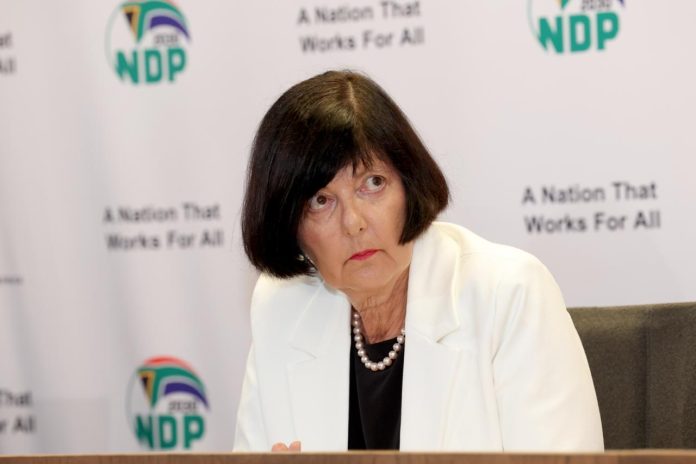
The National Transport Minister, Barbara Creecy, is moving towards a zero-tolerance approach to drinking and driving, signalling a potential ban on alcohol consumption before getting behind the wheel.
This came up during the presentation of the report on the 2025/26 festive season road safety campaign on Thursday. Creecy highlighted that serious measures were needed as part of efforts to curb the country’s persistent road death toll.
READ MORE: Road fatalities drop 5% during 2025/26 festive season – Smile 90.4FM
She said that analysis of crashes throughout the year showed that reckless driver behaviour was the leading cause of crashes and fatalities on South Africa’s roads.
She identified speeding and drunk driving as the main contributors.
While enforcement operations would continue, Creecy said current laws were outdated.
“Our driving and drinking policy was formulated almost 30 years ago. In today’s South Africa it is totally unacceptable that there is a law that allows people to drink and then drive,” she said.
Creecy said she never understood the existing legal limits and argued that it failed victims and their families.
“I cannot explain this to anyone who has lost a parent, a brother, a sister, a child as a result of a road accident.”
She confirmed that the government intends to amend Section 65 of the National Road Traffic Act to formulate “a clear-cut, easy to understand and unambiguous policy that says drinking and driving is not allowed”.
“A law that allows drivers to drink a certain amount and get behind the wheel of a car must be scrapped,” said Creecy.
Road safety advocates have welcomed the proposal, but note that the implementation thereof would require careful planning.
Kashifa Ancer, campaign manager of Rethink Your Drink, said the minister has taken an important and long-overdue stance.
Ancer highlight that evidence was available to show that each unit of alcohol increased the risk of a crash.
“Each unit of alcohol, for example, a 330ml can of beer drunk within an hour, increases blood alcohol content by about 0.02%. And each unit drunk in a short time, like in about an hour, doubles risk of causing injury or being injured,” said Ancer.
She said the organisation supported a 0.02 blood alcohol content limit, alongside broader alcohol law reforms.
“This, however, must be backed by broader alcohol reform, including progress on the draft liquor amendment bill and pricing measures, including minimum unit pricing and a complete overhaul of our current excise tax system to prevent harm before it happens and save lives.”


