


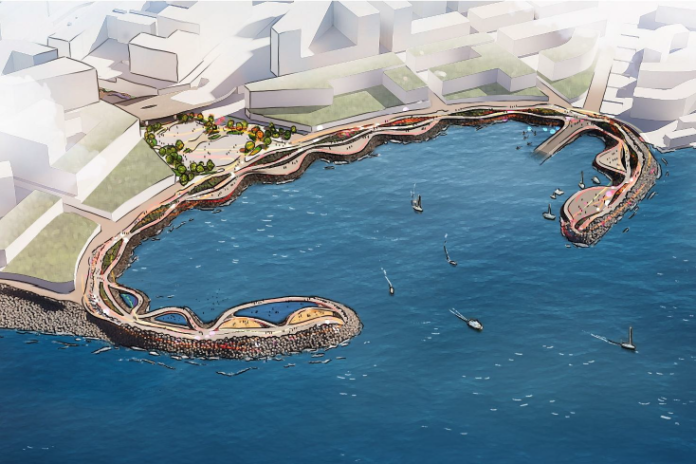
A major new development is planned for Cape Town’s V&A Waterfront, with plans to expand the Granger Bay precinct through land reclamation, new coastal infrastructure and mixed-use development.
According to a Draft Scoping Report released as part of the Environmental Impact Assessment (EIA) process, the project would see approximately 3.2 hectares of land reclaimed from Table Bay to create new public spaces, coastal protection structures and commercial and residential developments.
The proposed site lies west of Beach Road and north of Granger Bay Boulevard, on the western edge of the existing Waterfront precinct.
Developers plan to construct two breakwaters and a permanent rock revetment to form a new sheltered bay. The infrastructure is intended to protect the shoreline from storm surges and rising sea levels while creating calmer waters for recreational activities such as swimming, kayaking and boating.
Plans also include a range of public amenities, such as an extended coastal promenade, pedestrian walkways, landscaped public areas, tidal pools and a slipway. The development aims to extend public access along the coastline beyond the current Waterfront boundary.
In addition to public spaces, the proposal includes mixed-use buildings accommodating hotels, serviced apartments, private residential units, leisure facilities and commercial space. About 78,000 square metres of development rights already allocated within the broader V&A Waterfront precinct would be used for the project.
Because the development involves construction within the coastal zone and reclaiming land from the sea, it requires environmental authorisation under the National Environmental Management Act. The reclamation component must also receive national approval and parliamentary ratification in terms of coastal management legislation before construction can begin.
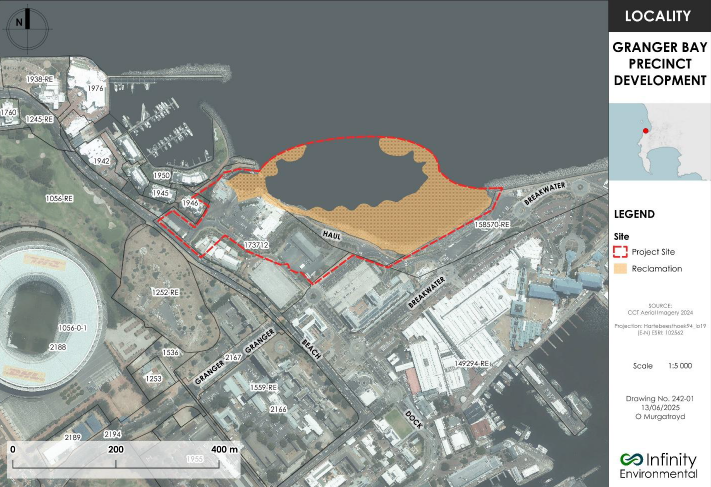
The project is currently in the scoping phase of the EIA process, which identifies potential environmental, social and economic impacts that must be assessed in detail. The draft report has been released for public review, allowing interested and affected parties to submit comments before the assessment moves to the next stage.
If approved, construction of the coastal protection structures is expected to take place in phases over approximately three years.
Authorities will make a final decision on environmental authorisation only after specialist studies are completed and public participation processes are concluded.