


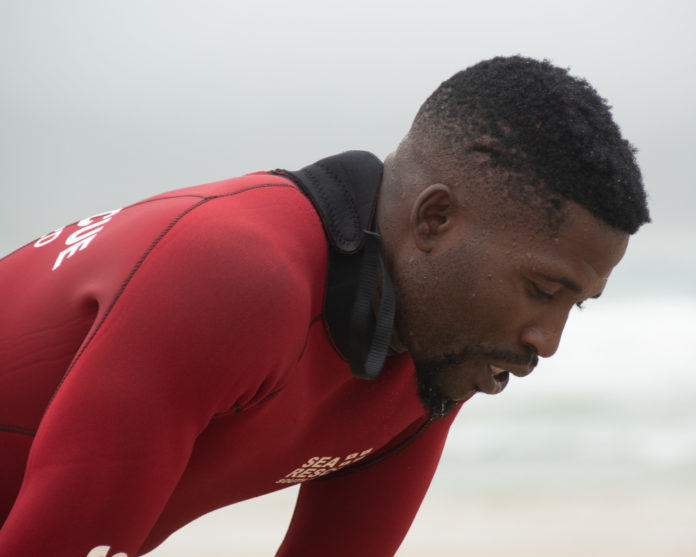
This article is supplied by The National Sea Rescue Institute
Lifeguards are a crucial component of water safety, especially during the festive season. However, it is essential to understand that lifeguards are not just a few fit youngsters sitting on a beach waiting for someone to get into trouble and then simply go rescue them.
This is according to Brett Ayres, Executive Director of Rescue Services at the National Sea Rescue Institute (NSRI) who further states that there is a lot more that goes into running a lifeguarding service than one thinks.
NSRI attended to multiple incidents
NSRI Survival Swimming lessons are back
Tips to stay safe on (and off) South African roads this festive season
“Lifeguarding is a system. It boils down to effective training and development of lifeguards, great equipment and quality management. Our NSRI Lifeguarding unit has already conducted 29 rescues, 40 first aid treatments and 2433 prevention interventions since the 1st December 2022. Prevention is the real job of a good lifeguard, stopping an incident before it becomes a rescue, or a tragedy.”
“The NSRI’s lifeguard units are equipped with fins, wetsuits, malibu boards and torpedo buoys to help them get out on the water and effectively perform a rescue quickly but once the casualty is out of the water, they also have the appropriate first aid equipment, oxygen and an AED (automated external defibrillator) required to save lives. Our lifeguards are backed up by a VHF radio and cellphone network and are supported by our Sea Rescue base stations, beach safety cameras and national Emergency Operations Centre that can activate a network of higher care in any emergency.
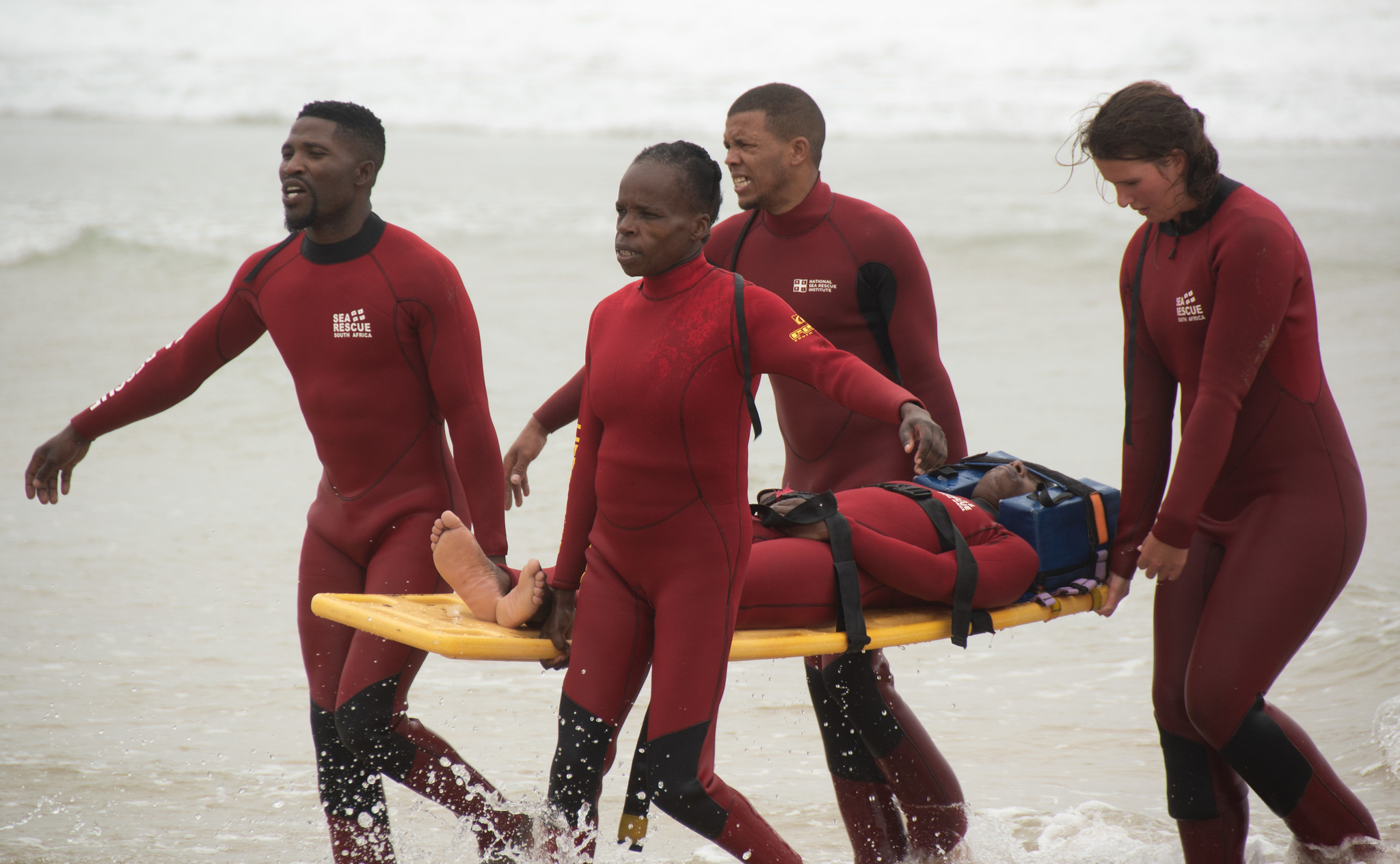
Currently providing services to 5 municipalities and 26 beaches, the NSRI uses an app, developed in 2019, to report on this real-time data from our lifeguarded beaches, and this also reports on the beach conditions and beachgoer attendance. In addition to this, the app allows lifeguards to perform daily equipment checks and send alerts out when equipment or disposable stock is low – all part of the effective management system.” Ayres adds.
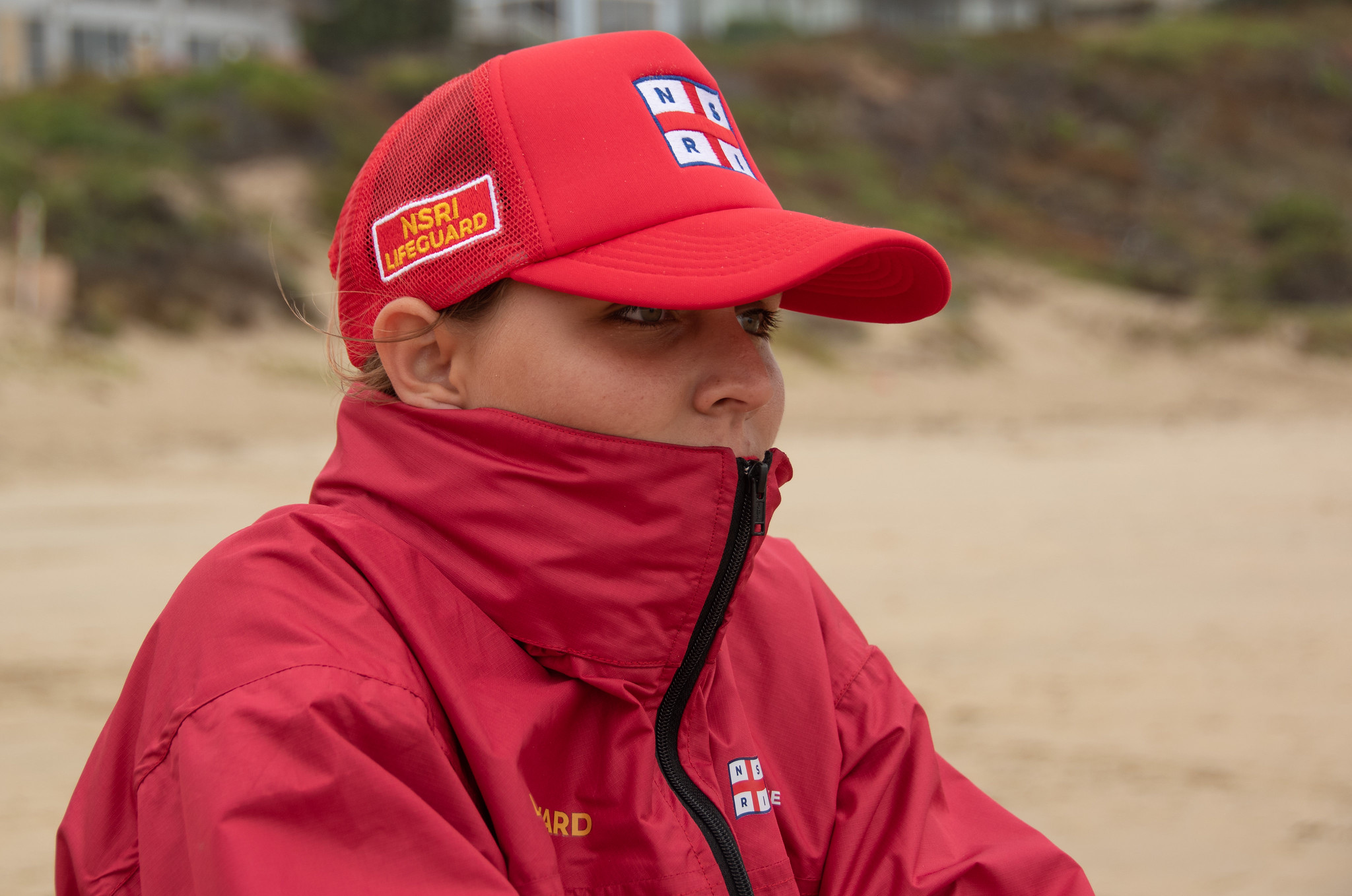
“So far, we have seen over 43 800 bathers on our lifeguarded beaches, of which over 13 300 entered the water, and no major incidents have been reported – so holding thumbs that the trend continues. I would encourage any member of the public to ask their local municipality what equipment, training and support systems their lifeguards have in place to ensure beaches are safe this summer and to only swim at lifeguarded beaches” concludes Brett.