
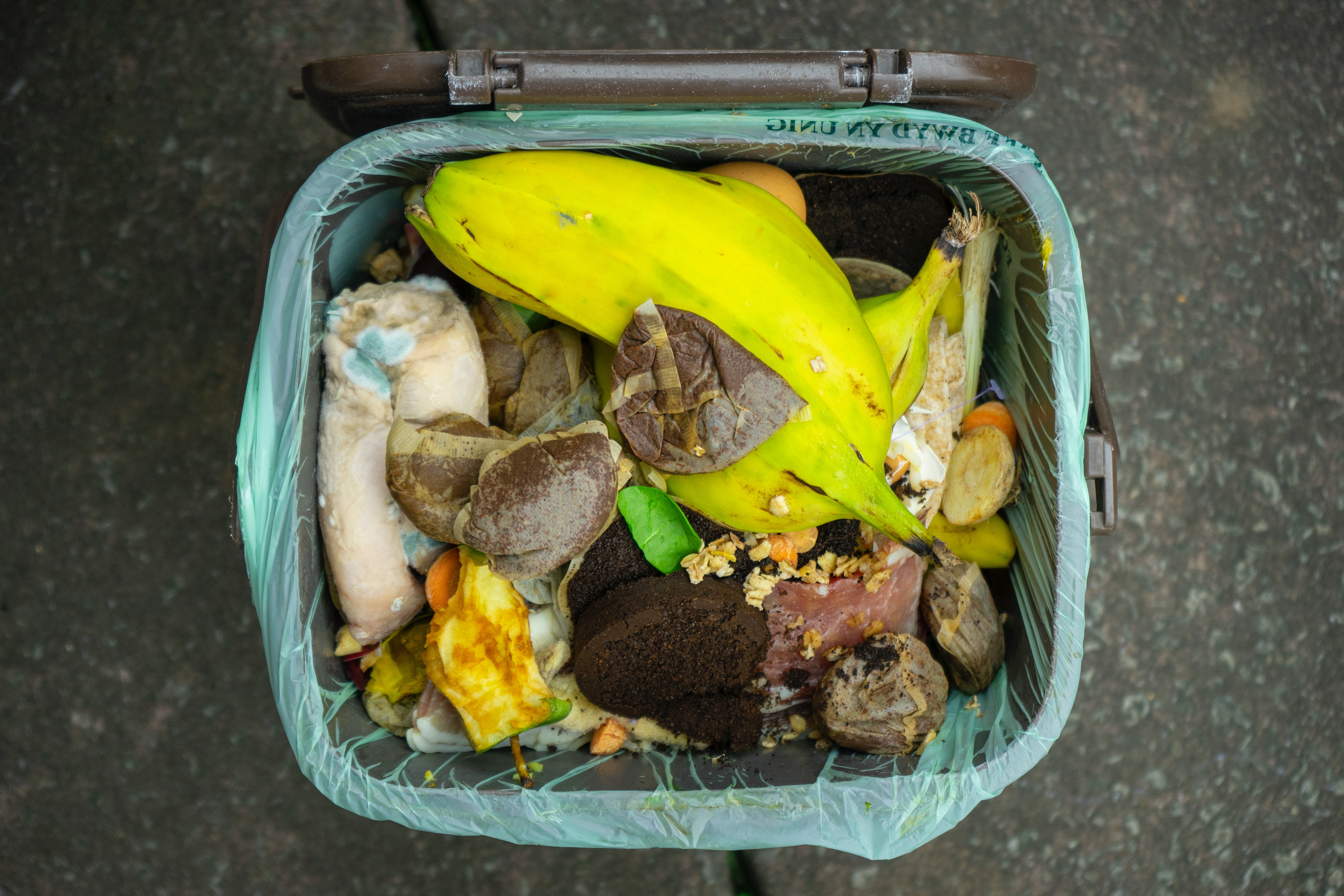
The Organic Waste Landfill Bill is coming into effect in the Western Cape, and it aims to see a 50% reduction in organic waste going to landfills by the end of 2022 and 100% by 2027. The provincial government encourages residents and businesses and municipalities to take action and make this green dream come true. But before taking action, we need to know why this Bill is coming into effect, and what you can do to protect our planet’s future.
What is organic waste?
This is any material that is biodegradable and comes from an animal or plant. It can be found in solid- and liquid forms. Some examples are food waste, landscape waste, and food-soiled paper (see list below):
- cheese (food waste)
- bread or rice
- vegetable scraps
- chicken
- fast foods
- dead leaves (landscaping waste)
- branches
- pizza boxes (food-soiled paper)
- tissues
- paper cups and paper plates
- tea bags
When it finds its way into a landfill site, it decomposes and releases toxic methane gas. Methane is a greenhouse gas that has a global warming potential 20 to 25 times greater than carbon dioxide. Mayoral Committee Member for Urban Waste Management, Alderman Grant Twigg says, ‘all stakeholders must play their own part in organic waste diversion, committing to targets to reduce their own organic waste wherever possible, and ensure it is used beneficially. This can only be achieved at a grassroots level, with each stakeholder taking full responsibility.’ Annually, tons of organic waste end up in the Western Cape’s landfills taking up precious landfill space.
READ MORE: Your small yoghurt tub can help to build classrooms, in impoverished areas.
How do we recycle this type of waste?
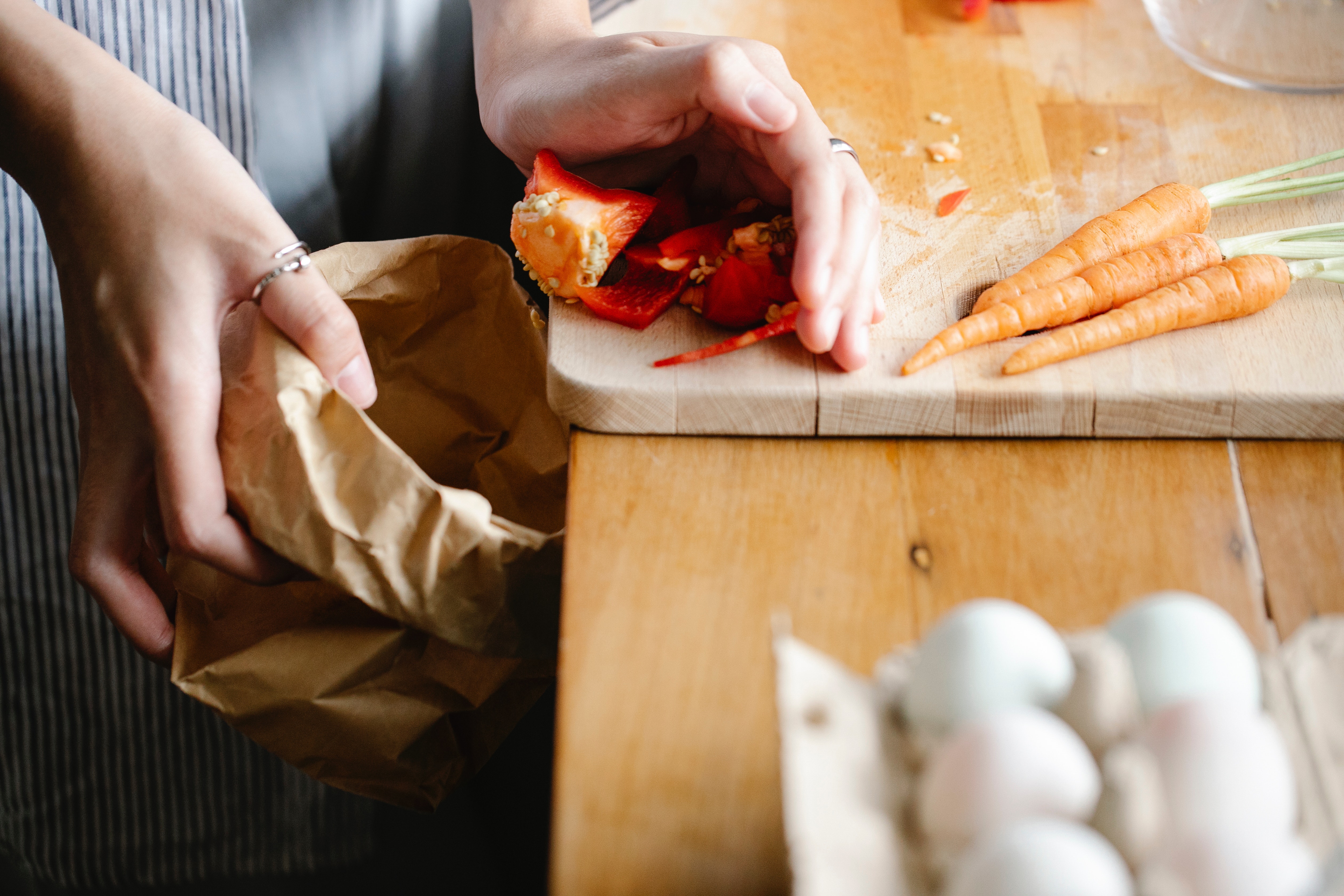
Organic waste can be reused in ways that avoid methane release – composting is a beneficial method that enriches the soil. In Cape Town, there is a running program that promotes home composting. It also offers central drop-off sites where residents can properly dispose of green waste (for free). Mayoral Committee Member for Urban Waste Management, Alderman Grant Twigg says ‘donating your recyclables to the community organisations, schools or entrepreneurs who are involved in recycling, is a direct investment in those community groups or small business livelihoods, strengthening Cape Town’s resilience and prosperity as a whole’.
Over 22,000 households in the Cape received home composting bins. And while this has a large impact on reducing our carbon footprint, the real difference will be seen when large corporations and food producers separate their waste and have it collected for recycling or donations.
‘If the City and residents can work together on this effectively, the results will be plain to see. There will be less dumping and communities will benefit from cleaner spaces, that can give our children hope for a better future. Compost could even be used for healthy and productive vegetable and community gardens,” says Alderman Grant Twigg.