


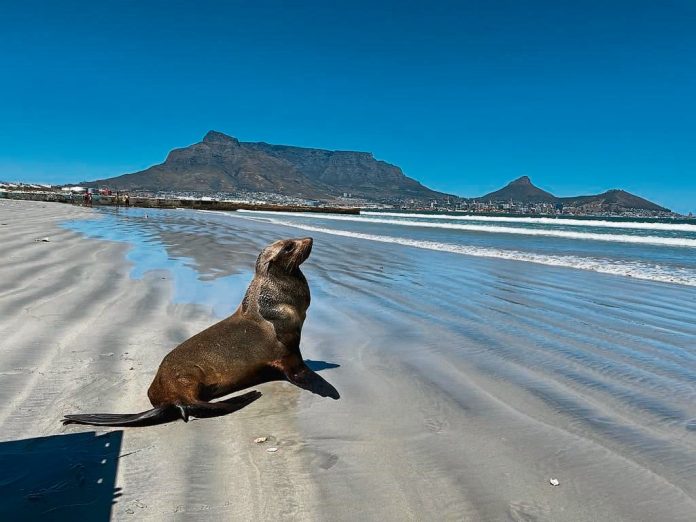
With the December holidays fast approaching, South Africans are being urged to take extra precautions when encountering animals, both on land and at the coast, as rabies continues to pose a serious threat to humans and pets.
The Department of Agriculture and the South African Veterinary Association (SAVA) have issued joint warnings highlighting rabies risks in dogs, Cape fur seals, and other mammals across the country.
Rabies is a deadly viral disease that affects all mammals, including humans, and is transmitted through the saliva of infected animals via bites, scratches or licks.
Once clinical signs appear, the disease is almost always fatal, but it is entirely preventable through vaccination and immediate medical treatment after exposure.
Human and animal cases on the rise
In 2025, several human deaths linked to rabies have been reported in KwaZulu-Natal, the Eastern Cape, and Limpopo, areas where the disease remains most prevalent in dogs.
Authorities have also confirmed that rabies has become endemic among Cape fur seals, with infected animals occasionally washing up along beaches in the Northern, Western and Eastern Cape.
Dr Ziyanda Majokweni, president of SAVA, says the confirmation of rabies in Cape fur seals is a serious reminder to the public to respect wildlife boundaries.
“By keeping a safe distance from seals, avoiding contact with unfamiliar animals, and ensuring that dogs and cats are vaccinated, we can help prevent the spread of this deadly disease and protect both human and animal health during the busy holiday season.”
Seals are not safe to touch
While Cape fur seals are a familiar sight along South Africa’s coastline, members of the public are warned not to touch, feed, or approach them, even if the animal appears to be in distress or stranded. According to SAVA, human interaction can stress seals and expose people to dangerous bites, scratches, and infections.
It is illegal under the National Environmental Management: Biodiversity Act (NEMBA) to disturb seals or other protected marine species without a permit. Anyone who encounters an injured or stranded seal should contact local authorities or marine rescue organisations rather than attempting to help.
Rabid or distressed seals may appear disoriented, aggressive, or vocal, while others may rest on beaches, a normal behaviour known as “hauling out.”
Swimmers and surfers are advised to leave the water immediately if a seal behaves aggressively or comes too close, and to alert lifeguards or municipal officials.
What to do if bitten or scratched
If you are bitten, scratched, or licked by any animal suspected of having rabies, authorities advise immediately washing the wound thoroughly with soap and running water for at least 15 minutes, and then seeking urgent medical care at the nearest clinic or hospital.
Post-exposure prophylaxis, a series of rabies vaccinations, can prevent the virus from taking hold if administered promptly.
Beaches will be temporarily closed if a seal bite or scratch occurs, with lifeguards and local authorities activating shark sirens and notifying CapeNature, the State Veterinarian, and Marine Stranding Networks. The beach will only reopen once the seal has been removed or has left the area.
Pet owners are reminded that rabies vaccination for all dogs and cats is a legal requirement in South Africa. Pets should be kept on leashes during walks and away from stray animals, wildlife, or seals. When travelling, owners should ensure that vaccination booklets are up to date and carried with them.
Stay alert and report suspected cases
The Department of Agriculture urges the public to report suspected rabies cases in animals, whether domestic or wild, to their local state veterinary office, welfare organisation, or police.
Rabies has been detected in all nine provinces and can infect a wide range of animals, including dogs, cats, livestock, jackals, mongooses, foxes, and seals.
For more information about rabies prevention and post-exposure treatment, visit the website of the National Institute for Communicable Diseases (NICD).
.