


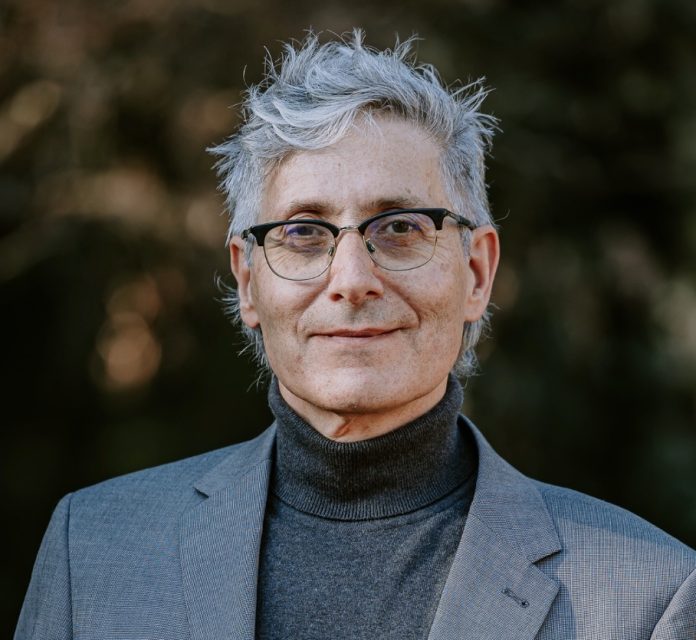
A South African professor has been honoured with the prestigious Royal Society Africa Prize of the United Kingdom’s Royal Society. He’s Prof Clive Gray, professor of immunology in the Faculty of Medicine and Health Sciences of Stellenbosch University (SU). This prize honours an Africa-based research scientist making an innovative contribution to capacity building on the continent.
A South African professor has been honoured with the prestigious Royal Society Africa Prize
According to Stellenbosch University, Gray was recognised for his “pioneering research into the immunological impacts of HIV on maternal and child health”. The Royal Society is the world’s oldest scientific academy. It annually honours individuals and teams from institutions around the globe for outstanding contributions to science. This year, Gray is one of 27 medal and award winners recognised for “outstanding contributions to scientific discovery, public engagement and research culture”. The award consists of £15 000 (approximately R325 000) dedicated to the project and a personal award of £2 000 (about R43 000).
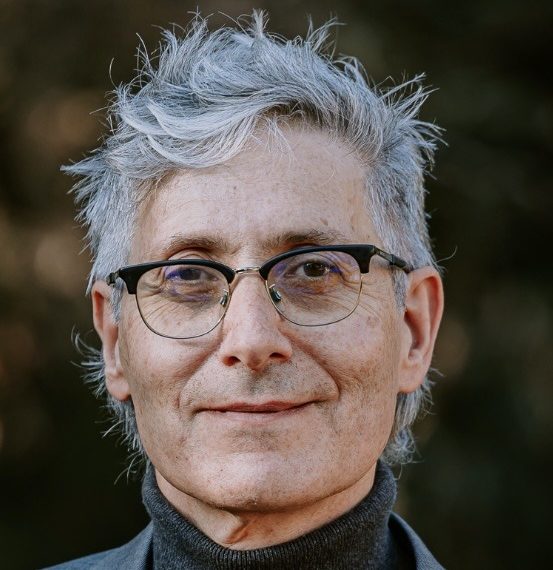
According to the university, his research investigates why HIV exposed uninfected (HEU) children experience poor health outcomes despite not being HIV infected. Gray, who has published over 140 papers on human immunology with a focus on HIV and reproductive immunology, also established the Reproductive Immunology Research Consortium in Africa (RIRCA), a consortium of immunologists and paediatricians conducting research into the impact of HIV and antiretroviral therapy (ART) on developing neonates, immune responses in newborns, and paediatric vaccine efficacy. Over the past five years, he has published work on how maternal HIV and ART impact the placenta. He also founded Immunopaedia, a website offering free online courses to scholars of immunology.
Royal Society Africa Prize recipient
Statements supporting Gray’s Royal Society award nomination describe him as “a distinguished leader in the fields of cellular HIV immunology, reproductive immunology, and mucosal immunology in Africa”. The statements highlight Gray’s experience of more than 25 years conducting laboratory research to understand the impact of HIV infection on the immune system and accentuate that this work comes as HIV prevalence continues unabated across sub-Saharan Africa – and specifically in South Africa – despite the effective intervention of ART.
“For the last 10 years, Professor Gray has focused on the HIV exposed uninfected child and how these children, born to HIV-infected mothers, are more susceptible to bacterial and viral infections and have poor health outcomes when compared to healthy children, despite not being infected themselves. His most recent research focuses on how placental health and maternal inflammation cause placental pathology, disrupting foetal-maternal immune balance and giving rise to poor health in HEU children.”
A distinguished leader in the fields of cellular HIV immunology, reproductive immunology, and mucosal immunology in Africa
The nomination also pays tribute to Gray’s 20-year history of capacity building in Africa and the training of generations of young scientists. Since 2007, he has trained nearly 400 young scientists in the applied immunology of TB, malaria, HIV and COVID-19 and in vaccine design. “What makes Professor Gray truly exceptional and deserving of the Royal Society Africa Prize,” the nomination notes, “is his contribution to an exciting research agenda. This is closely coupled with educating, training and mentoring hundreds of young African scientists from all areas of the continent. His project to find a predictor of pre-term birth is a much-needed piece of research on the African continent.”
Gray was “completely surprised” by the Royal Society Africa Prize award
Passionate about building global immunology capacity, Gray was “completely surprised” by the award. “I’m deeply honoured to receive this recognition,” he said. “I see it as a reflection of the outstanding work of my research group, RIRCA, and our exceptional team. He added, “It’s a wonderful affirmation of the work being done by the RIRCA research group and of the growing influence of African science internationally. I hope that through this award, I can inspire young researchers across the continent to believe that world-leading research can be done from Africa and have global impact.”