


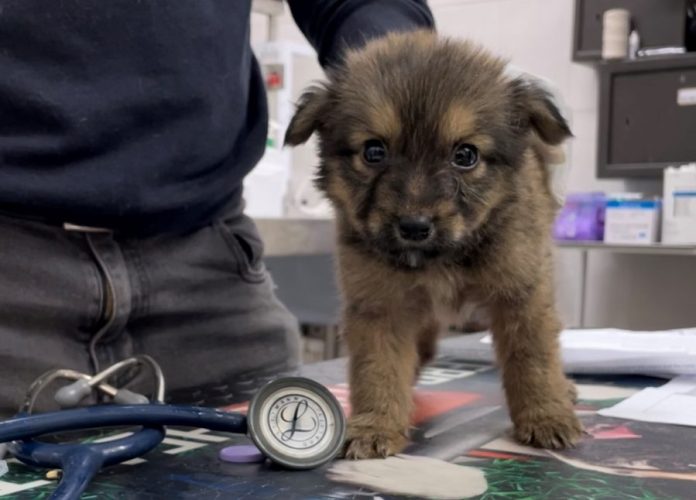
TEARS Animal Rescue has reported a surge in laboratory-confirmed cases of Infectious Canine Hepatitis (ICH), which carries a 95% fatality rate among unvaccinated animals or those who receive treatment too late.
Given the recent surge and the disease’s contagious nature, pet owners are urged to consult their local veterinarians regarding their pets’ vaccination status to assess potential risks.
ICH (which does not affect humans) is a fatal disease affecting dogs. It is caused by canine adenovirus 1 (CAV-1), which occurs worldwide, and is most commonly found in the environment because it can last up to three months in ideal conditions.
“We have a responsibility to do everything we can to prevent the spread of the disease and limit the negative impact in our communities and the unnecessary suffering of animals. While vaccination has been successful at reducing the prevalence of this disease, once it occurs in a community it’s extremely challenging to manage the spread and prevention of the disease.” TEARS Head Veterinarian, Dr Tania Heuer
Dr Heuer adds that while the vaccine for ICH forms part of TEARS’ community vaccination programmes, there is still a general lack of compliance from many community pet owners. This is mainly because of the hospital’s mandatory sterilisation and vaccination requirements.
“Puppies are most at risk but older dogs can also contract the disease if not vaccinated.”

Signs and symptoms of Infectious Canine Hepatitis (ICH)
The incubation period typically spans two to five days but can extend to 14 days before symptoms manifest. The virus spreads through direct contact with infected animals’ urine, nasal, and ocular discharges.
Symptoms range from mild to severe, mimicking other conditions like kennel cough.
Recognizable signs include:
- lethargy
- increased thirst
- loss of appetite
- coughing with discharge
- conjunctivitis
- abdominal pain
- edema
- vomiting (possibly with blood)
- yellow mucous membranes
- and indications of liver necrosis
Recovery chances dwindle once liver failure and internal bleeding set in. Recovered dogs continue to shed the virus for six months through urine, contributing to environmental contamination.
Dr. Heuer has attributed the alarming resurgence of ICH cases partly to decreased vaccination rates during and post-Covid lockdowns. She adds that most pet owners also neglect vaccination responsibilities.


