


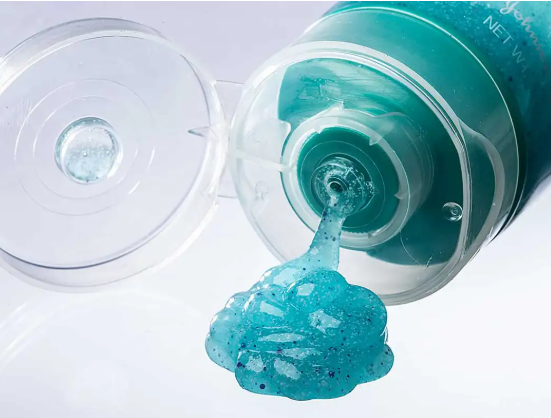
South Africa is stepping up its fight against plastic pollution with a proposed total ban on microbeads, tiny plastic particles often found in cosmetics, toiletries, and other household products.
On Thursday, Minister of Forestry, Fisheries and the Environment, Dr Dion George, published draft regulations that aim to prohibit the production, distribution, sale, import, and export of plastic microbeads and any products containing them.
The move comes under the National Environmental Management Act and signals a tough stance on what the minister called “invisible ocean killers.”
“This is a pivotal moment in our ongoing efforts to protect South Africa’s precious natural heritage from the scourge of plastic pollution,” said Dr George.
“Plastic microbeads may be small, but their impact on our oceans and wildlife is immense. By banning them, we are not only preserving biodiversity but also ensuring a healthier future for generations to come. I urge all stakeholders to engage with this process and help shape regulations that truly make a difference.”
Microbeads, defined in the regulations as solid plastic particles smaller than 5mm, are non-biodegradable and enter the environment primarily through wastewater.
They have been linked to severe environmental damage, especially in marine ecosystems where they accumulate in food chains and can affect biodiversity and human health.
The draft regulations outline a 24-month transitional period, giving businesses time to phase out existing stock. Affected parties will be required to notify the Director-General and submit detailed phase-out plans.
Severe penalties are proposed for non-compliance, including fines of up to R10 million or up to 20 years in prison for repeated offences.
The public has 30 days to comment on the draft regulations, which are available on the department’s website at www.dffe.gov.za.
Written submissions can also be emailed to jsibande@dffe.gov.za, or delivered by hand to the Department of Forestry, Fisheries and the Environment at 473 Steve Biko Road, Arcadia, Pretoria.
The Department has urged all interested parties, from environmental groups to industry players, to take part in shaping this crucial legislation aimed at protecting South Africa’s land, rivers, and oceans from microplastic contamination.