


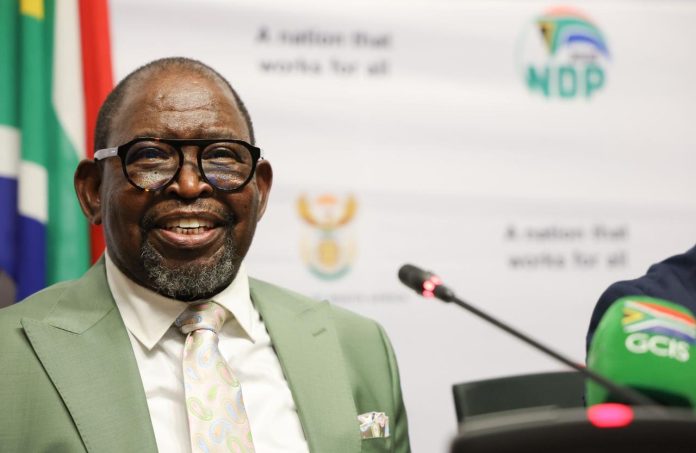
Finance Minister Enoch Godongwana delivered the 2026 Medium-Term Budget Policy Statement on Wednesday, 21 October, highlighting that fiscal discipline is starting to pay off, with debt stabilising and revenue improving.
But economic growth remains weak, and the challenge is to turn improved public finances into more jobs, stronger infrastructure and better service delivery.
The announcement motorists have been waiting for, additional fuel levy reductions, will provide some relief at the fuel pumps, amid skyrocketing prices driven by the US war on Iran.
Mini Budget 2026 – In a nutshell
- Fuel relief: The fuel levy will be cut from 4 November to 1 December 2026 by R1.50 per litre for petrol and R3 per litre for diesel. From then until 5 January 2027, the cuts will be R1 per litre for petrol and R1.50 per litre for diesel. The relief will cost the fiscus R10 billion.
- Economic growth: South Africa’s growth forecast for 2026 has been cut to 1.2%, down from 1.6% projected in February. Growth is expected to reach 1.6% in 2027 and 2% by 2029.
- Debt stabilising: Government debt stabilised at 78.4% of GDP in 2025/26 and is expected to start declining, following years of rising debt.
- Budget deficit: The deficit is expected to narrow to 3.9% of GDP this financial year, down from the February forecast of 4%. It is projected to fall to 2.5% by 2030.
- Tax revenue: The revenue forecast has been revised upwards by R17.1 billion, driven by stronger-than-expected corporate tax, dividends tax and VAT collections.
- Government savings: A further R38.1 billion in savings has been identified over the next three years, including cuts to low-priority programmes, reduced grant fraud and administrative efficiencies.
- Government spending: Consolidated expenditure is projected to rise from R2.7 trillion to R3 trillion by 2029/30. Capital investment is expected to grow by 5.3% a year.
- Social grants and basic services: Social spending accounts for 60% of non-interest expenditure. The social safety net supports 18.1 million grant beneficiaries, while more than 11 million households receive free basic services.
- Crime and gender-based violence: R3.8 billion is allocated over the medium term to hire more than 3,500 social workers to strengthen responses to violence against women. A further R186 million will support forensic and investigative capacity.
- Police and defence: R810 million will go towards recapitalising the SAPS vehicle fleet next year. R823 million is allocated to the SANDF for deployments assisting police with gang violence and illegal mining.
- Infrastructure: Government is prioritising infrastructure investment and private-sector partnerships. Projects supported by the Infrastructure Finance and Implementation Support Agency have a potential investment value of more than R217 billion.
- Municipalities: An additional R21.8 billion will go to the local government equitable share to help cover basic services costs. Another R3.5 billion is allocated over the medium term for the wider rollout of smart meters.
- Disaster preparedness: The contingency reserve increases to R10 billion, partly to respond to potential risks associated with El Niño and other unforeseen events.
- Public service: Early retirement and voluntary exit packages are planned, with expected savings averaging R4.4 billion a year.
- Financial accountability: Government plans reforms to strengthen financial management, improve municipal budgeting and hold public officials accountable for financial misconduct.