13.1 C
Cape Town
Tuesday, July 7, 2026
Home Blog Page 122

Western Cape gangs growing more complex & difficult to police

gangs
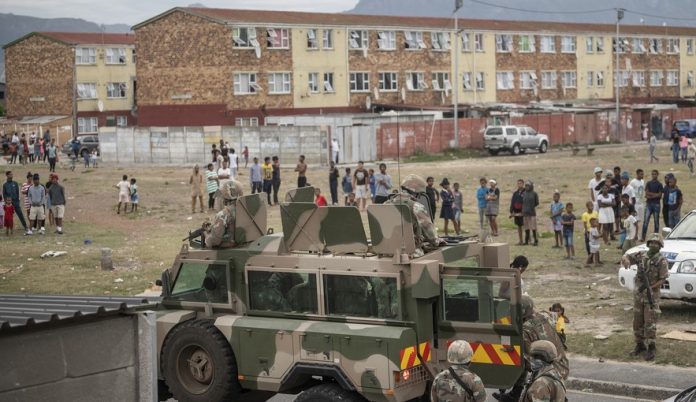
The military active in Lavendar Hill. IMAGE: GroundUp


Gangs in the Western Cape are becoming more complex, fragmented and increasingly difficult to police, with internal gang splits fuelling ongoing violence.  


That is the view in the latest Western Cape Gang Monitor report by the Global Initiative Against Transnational Organised Crime.


The report said gang members are defecting to rival groups, with leadership battles and the formation of splinter groups. 


Researchers describe fragmentation as “a structural process that is reshaping the way gangs in the Western Cape organise and compete”. 


This trend is believed to be contributing to the (often deadly) violence in several hotspot areas. 


ALSO READ: Four children shot and injured in Bonteheuwel – Smile 90.4FM


Internal battles within groups, like the Junky Funky Kids (JFK), have been especially severe, with the report noting that around 70 killings in recent months were linked to JFK infighting. 


“Internal instability within Western Cape gangs, and the associated risk of fragmentation, undermines leadership structures, fuels violence and erodes community safety. When combined with long-standing inter-gang rivalries, these tensions generate highly unpredictable and often deadly conflict dynamics.” 


The study also highlights how children are being drawn into gang culture through stone-throwing clashes in Cape Flats communities. It warns that these incidents “should not automatically be dismissed as inconsequential altercations between children. In certain contexts, the activity operates as an early sign of conflict within broader gang dynamics”. 


Researchers further noted that while military deployments can temporarily stabilise violent areas, they may have very little impact, noting that previous deployments “failed to provide meaningful or lasting reductions in violence”. 


“While a visible military presence may temporarily suppress gang violence, it does not typically disrupt the underlying criminal economy.” 


Further to this, the report mentioned that one gang source told researchers that “the army can’t really stop the business”. 


Expansion


The report also spoke to the expansion of Cape Town-based gang territories to the West Coast. With the “growing global cocaine industry”, the report suggests that South Africa is becoming a bigger player in the logistics thereof.  


Areas like Vredenburg and Saldanha Bay have, as such, proven to be good targets for gangs, due to their “geography, infrastructure and comparatively low security profile”, the report read.  


“As well as major ports such as Cape Town and Durban, traffickers are increasingly exploiting South Africa’s secondary ports, including Saldanha Bay. These less busy locations offer a combination of weaker surveillance, limited policing capacity and easy access to inland distribution routes.” 


What to do


In response to the growing violence, the report argues that lasting progress will depend on intelligence-led policing, stronger investigations and prosecutions, better community protection and long-term social interventions.  


READ MORE: Western Cape Gang Monitor, March 2026

Celebrating a new cohort of Astro Night Sky Tourist Guides

Celebrating a new cohort of Astro Night Sky Tourist Guides
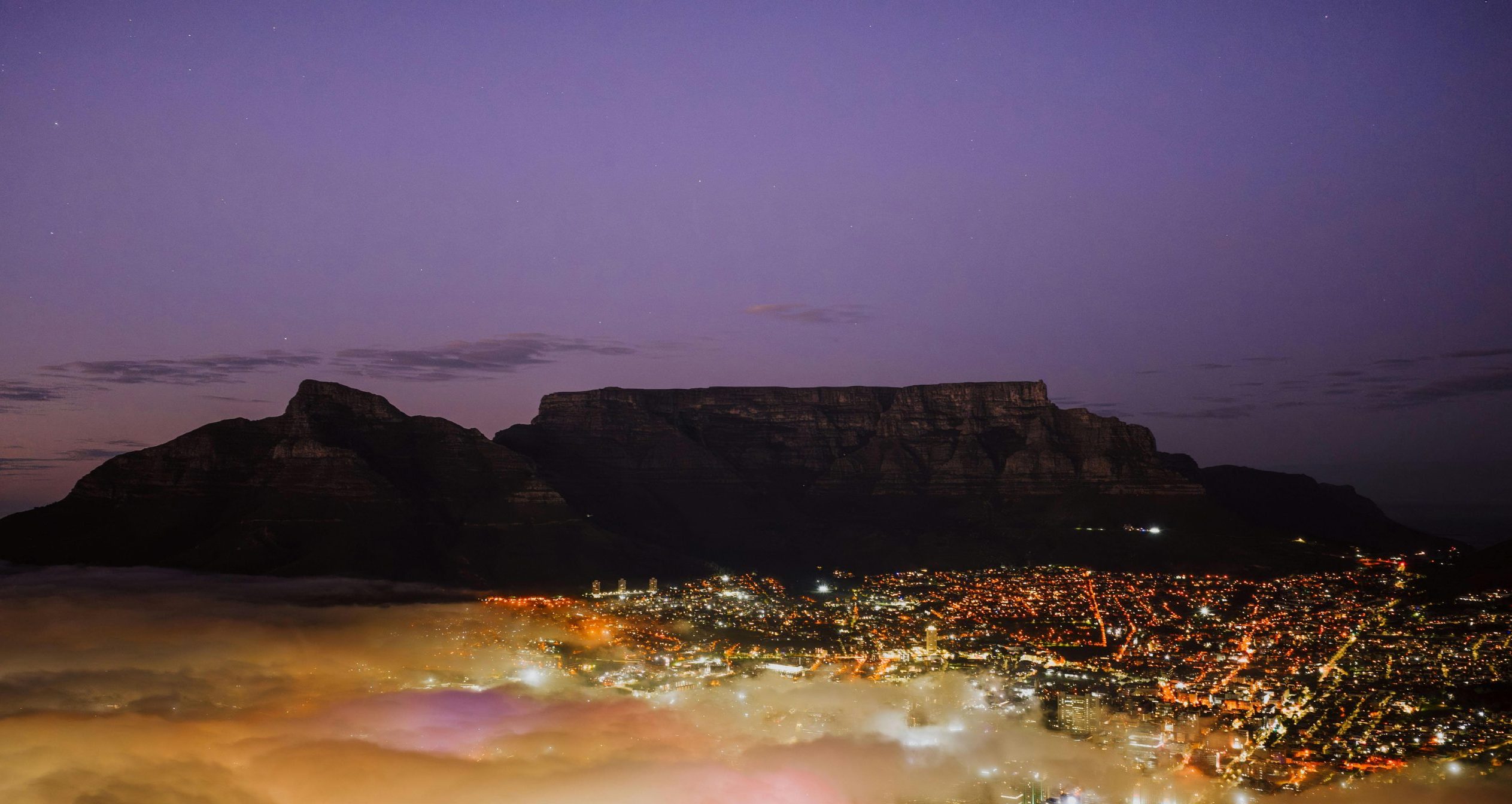
PHOTOGRAPHER: Stephan Louis (Pexels)


The Government is celebrating a new cohort of Astro Night Sky Tourist Guides. That’s the word from the Western Cape Agriculture, Economic Development and Tourism MEC, Dr Ivan Meyer. He says the new cohort forms part of the plan of the Provincial Government to strengthen its position as a leader in niche and sustainable tourism.

Celebrating a new cohort of Astro Night Sky Tourist Guides
PHOTOGRAPHER: Shay Wood (Pexels)

“To our graduates: Use these skills well as ambassadors for our province and for the protection of our dark skies,” said MEC Meyer


The government is celebrating a new cohort of Astro Night Sky Tourist Guides


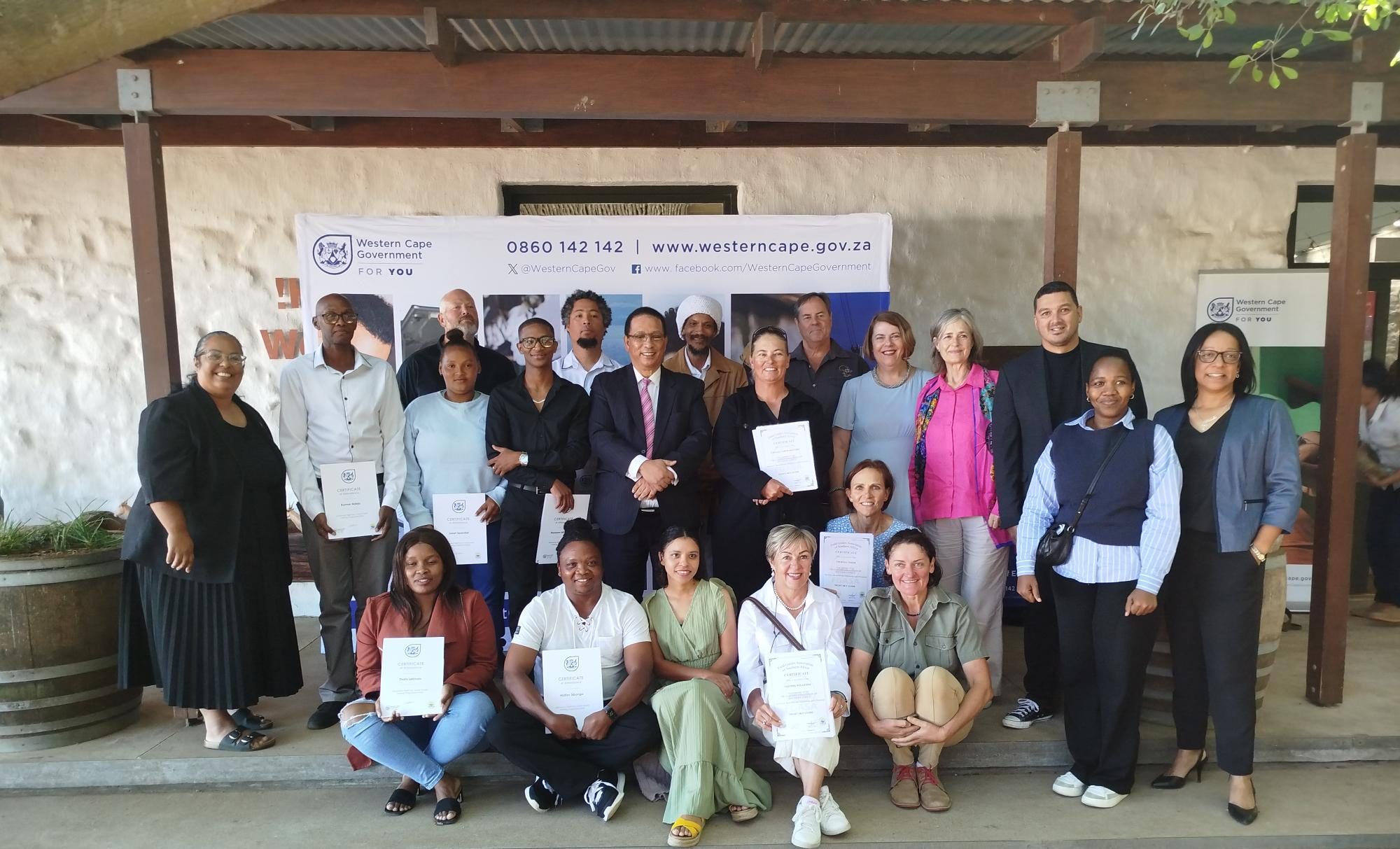
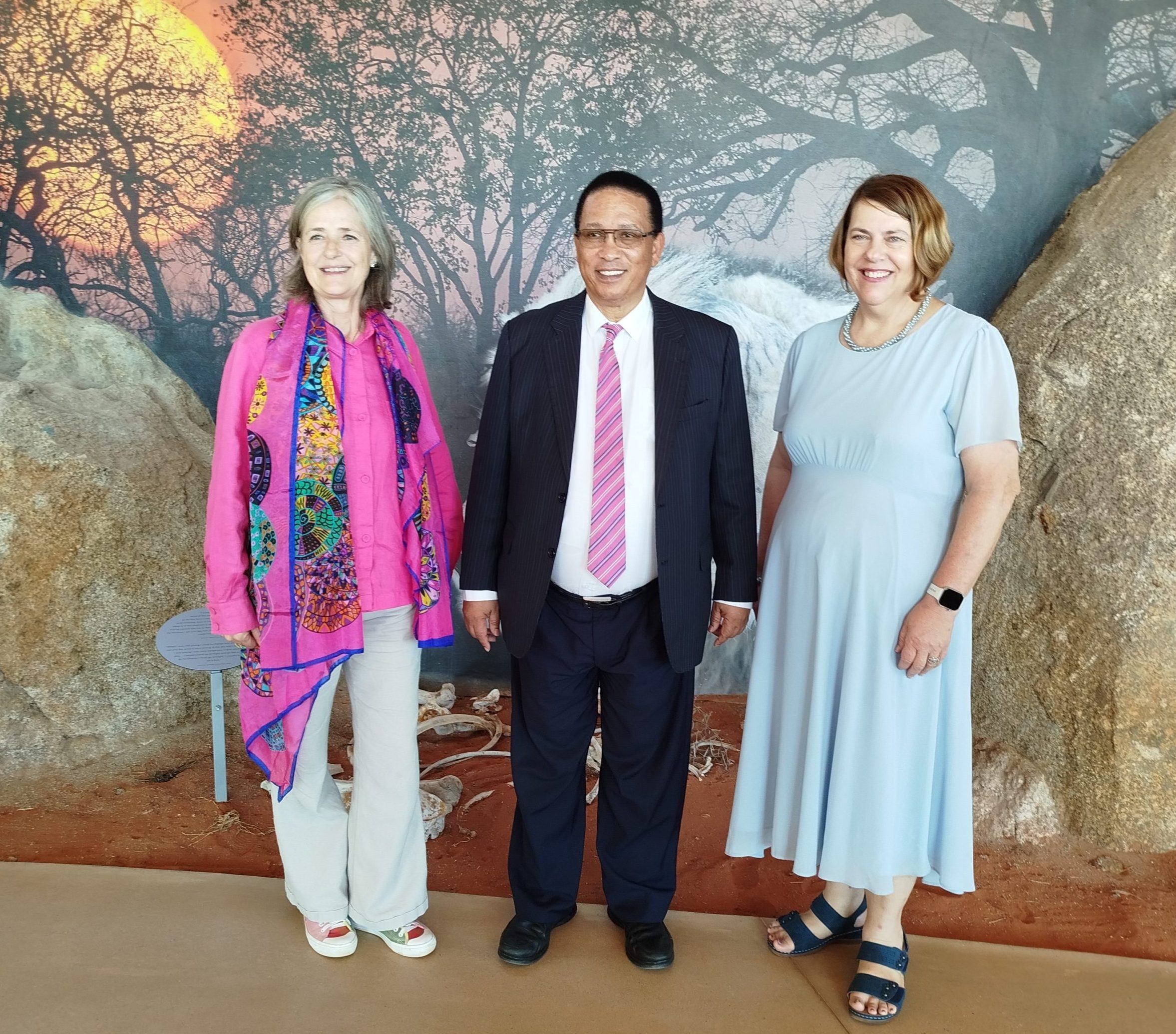
MEC Meyer recently spoke at the Western Cape Department of Economic Development and Tourism and the Field Guides Association of Southern Africa Astro Night Sky Specialisation Graduation Ceremony. It was held at the ! Khwa ttu San Culture and Education Centre. The MEC used the opportunity to congratulate the graduates for investing in specialised skills. He says this will help to grow the visitor economy in the Province.

Celebrating a new cohort of Astro Night Sky Tourist Guides
PHOTOGRAPHER: Kelly (Pexels)


“To our graduates: you are now part of a tourism future that is smarter, more sustainable, and more inclusive,” said the MEC.

Graduation of specialist night-sky guides


The MEC said that tourism is integral to growth and job creation. He says by choosing to specialise and to keep learning, these graduates are helping the Western Cape move from a tourism strategy based on volume to one focused on value, sustainability, and inclusive economic growth. As it stands, tourism remains a priority sector for the Western Cape economy. He says, in 2023, the sector contributed an estimated R28.6 billion in Gross Value Added and supported more than 257,000 jobs across the province. This included guiding, hospitality and transport services.


“These graduates are the bridge between complex science, culture and compelling storytelling. They turn a night sky into a lifelong memory for visitors”.


Celebrating a new cohort of Astro Night Sky Tourist Guides
PHOTOGRAPHER: Erike Fusiki (Pexels)


Western Cape positions astro tourism as a new growth frontier


MEC Meyer also noted that global travel trends are shifting away from traditional “sun, sea and scenery” offerings. He says the shift is towards experience-based tourism that emphasises knowledge, authenticity and storytelling. Meyer says as a result, the Provincial Government is actively investing in niche and special-interest tourism. This includes heritage, nature-based, wellness and astro tourism.


Astro tourism, particularly in the Karoo

The MEC says Astro tourism, particularly in the Karoo, the West Coast and the interior, allows them to turn their dark skies and low light pollution into a powerful economic asset. He says this encourages off-peak travel, draws visitors into smaller towns and creates new income opportunities in rural communities. At the same time, the MEC emphasised that skills and professional standards are key to unlocking this potential.

“We can have the darkest skies in the world, but these skilled and certified guides are helping to shine a light on this bold frontier of tourism,” Minister Meyer added.


The astro guiding programme


Meyer said the astro guiding programme is the result of a partnership between the Department of Economic Development and Tourism (DEDAT) and the Field Guides Association of Southern Africa (FGASA). It is aimed at building future-ready tourism skills and maintaining professional guiding standards. The MEC concluded that the collaboration demonstrates how a tourism strategy can be translated into real economic impact on the ground.


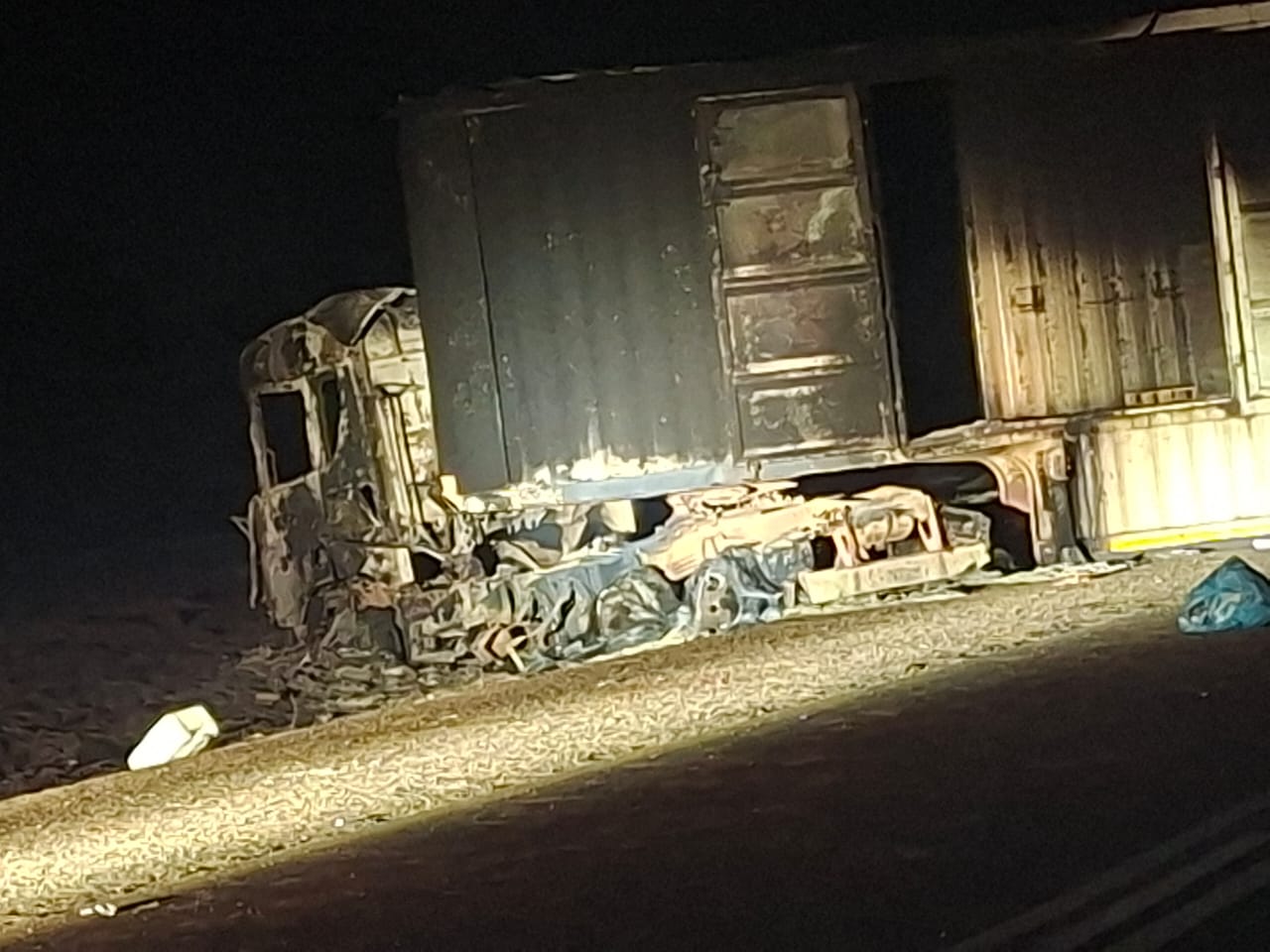
Nine Caught with Stolen TVs After Truck Fire in Atlantis


Nine suspects are due to appear in the Atlantis Magistrate’s Court soon, facing charges of theft and possession of stolen property following their arrests at the Covid informal settlement yesterday.


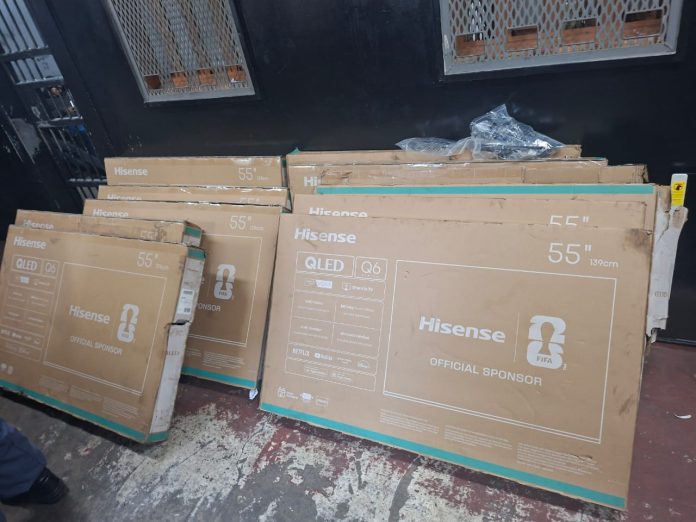
The suspects, aged between 18 and 25, were caught red-handed carting stolen television sets (TVs) after a truck was set alight near John Dreyer Road the day before.


The South African Police Service (SAPS) says members of the Public Order Police came under attack after they were called to the area to monitor the situation following the looting of the vehicle.


“As they were approaching the crime scene on foot, they spotted the suspects carrying flat-screen television boxes. They then came under attack as the group started throwing stones. The members managed to ward off the attack and apprehended nine male suspects.”


A total of 17 television sets were recovered from the suspects.


Eskom workers get 7% wage hike

eskom
The Majuba Power Station in Mpumalanga. Photo: Eskom


Eskom has concluded a three‑year wage agreement following a Central Bargaining Forum process, which will see employees get a 7% annual salary increase.


In a statement issued on Friday, the power-utility says the collective wage agreement was signed by the National Union of Mineworkers (NUM) and Solidarity.


The signatory unions represent more than 75% of the employees in the Central Bargaining Forum.


Eskom says the agreement is binding on all employees within the bargaining unit, including those affiliated with the National Union of Metalworkers of South Africa (NUMSA).


The three‑year framework is aimed at reducing the volatility associated with annual bargaining cycles.


The agreement is effective for three years, starting from 1 July 2026, providing labour certainty over the medium term.


Eskom’s Group Chief Executive, Dan Marokane, says the conclusion of the wage process provides Eskom with the stability and predictability required to focus fully on delivering on its mandate to South Africa.


“We recognise that our people are central to driving sustainable growth and to building an organisation that is resilient and attractive to future partners and investors.”


Eskom’s Chief People Officer, Dr Candice Hartley, says this agreement allows employees to remain focused on execution, accountability and consistent delivery, as well as enabling the power-utility to attract future talent to the organisation.


“The agreement reinforces Eskom’s disciplined approach to cost management and operational efficiency. This is underpinned by Eskom’s ongoing implementation of the Cost Optimisation and Revenue Enhancement (CORE) programme, which is targeting R112 billion in cost savings over five years.”


Marokane concluded that the work of transforming Eskom requires continued collaboration across the organisation.


“We value the contribution of labour partners to the bargaining forum and will continue to engage them, on operational priorities, employee wellbeing and the strategic evolution of the business. The conclusion of the wage agreement reflects a shared commitment to organisational stability, constructive labour relations, and the long‑term sustainability of Eskom’s operations and the national power system.”


President Cyril Ramaphosa recently visited the Kusile Power Station in Mpumalanga, where he lauded Eskom’s senior management team, as well as Eskom employees, for their efforts in stabilising the power utility.


READ: Eskom hikes approved: Households and municipalities brace for rising electricity costs

Traffic Officers Strike Blow Against Drug Trade in George Operation

traffic officers seize drugs


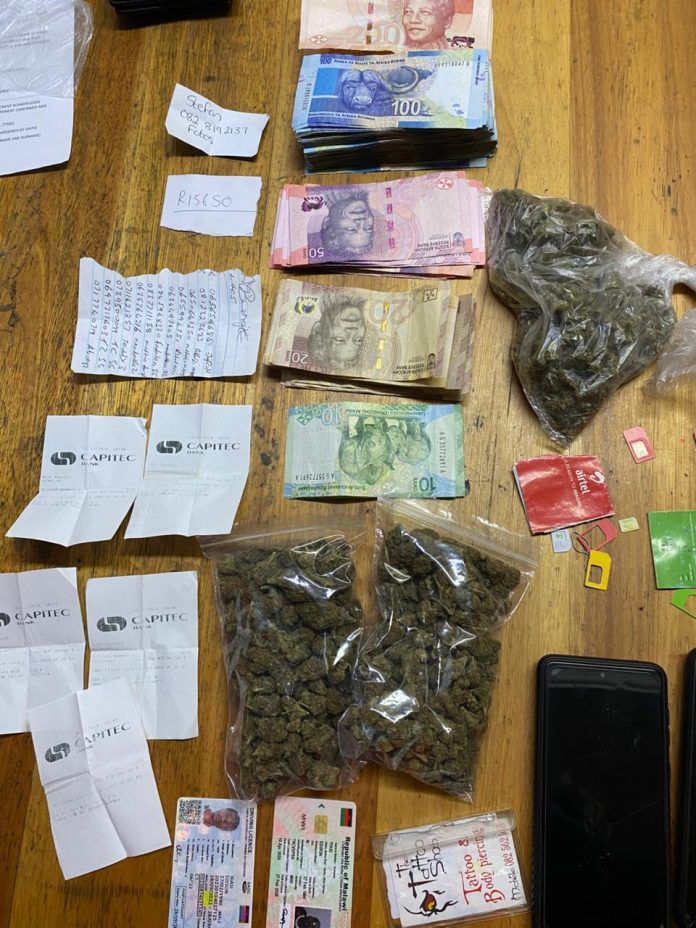
One suspect was arrested after Western Cape Provincial Traffic officers carried out a stop-and-check operation in George last night in what officials say is part of ongoing efforts to take drugs off the streets.


Officers stopped a white VW Polo at the Thembalethu on-ramp (N2) towards Pacaltsdorp. A search of the vehicle led to the discovery of three bags of compressed dagga.


In addition to the drugs, officers seized R15 650 in cash, two cellphones, multiple SIM cards, and banking details linked to suspected drug activity.


A passenger in the vehicle was arrested on charges of dealing in dagga and was also found to be undocumented.


Chief Director of Traffic Management Maxine Bezuidenhout says the recovery of financial records and contact lists is a major breakthrough, as it may help expose wider criminal networks operating in the Garden Route district.


“In terms of the Criminal Procedure Act, traffic officers are empowered to act when criminal offences are detected during roadblocks, patrols, and weighbridge operations,” she said.


She added that removing illegal drugs and the proceeds of crime is essential in disrupting the drug trade while also improving road safety.


“These activities are often linked to reckless and dangerous behaviour on our roads,” she said.

error: Content is protected !!