
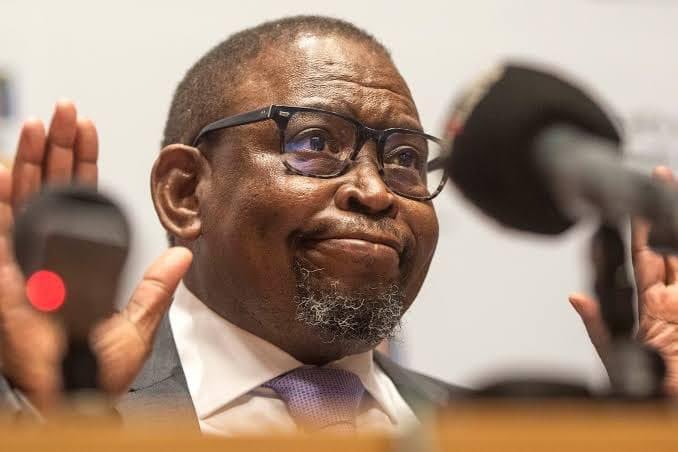
Finance Minister Enoch Godongwana says National Treasury has withdrawn Eskom’s partial exemption from the Public Finance Management Act (PFMA) granted to the power utility last week.
Godongwana announced the withdrawal during a joint meeting of Parliament’s Committee on Appropriations, the Standing Committee on Finance, the Standing Committee on Public Accounts, the Standing Committee on the Auditor General and the Portfolio Committee on Public Enterprises.
The exemption would have allowed Eskom to report irregular, fruitless and wasteful expenditure on its annual report and not annual financial statements.
“The public has taken an interest in this matter precisely because of the history of corruption. We appreciate that South Africans are quite aggressive and vigilant against corruption, which is going to be an important point for our society. We take that as a positive step.
“We had these [public] comments and everything and yesterday. We had an intensive discussion with the AG [Auditor General]. In that discussion, there were some comments by the AG which have to be part of the framing of the gazette.
“In light of those comments and generally the comments by the public, we have decided to withdraw the gazette for now and take all these comments into account, and also have a detailed consultation with the Auditor General and the auditors… of Eskom so that checks and balances for corruption are tightened,” Godongwana said.
On Tuesday, National Treasury had explained that reporting these irregularities increased the “likelihood of qualified audit opinion… that triggers loan covenants, which will likely further increase Eskom’s cost of borrowing and may result in additional fiscal pressure from Eskom’s debt burden”.
In the parliamentary meeting on Wednesday, Godongwana reiterated that position, emphasising that the intention of the exemption was “not to hide anything” but to allow the power utility to have a better financial statement and protect the fiscus, considering government’s R254 billion debt arrangement with the power utility.
“When Eskom applied [for the exemption], we had to ask ourselves a question. If Eskom’s financial statements are being constrained by these irregularities, what are the implications for Eskom’s cost of capital? If they cannot raise that capital, what are the implications for the fiscus? We look at it from a fiscal sustainability eye.
“We then said we should grant Eskom the exemption… from disclosing those in the annual financial statement. But those should be disclosed in the broader annual report. In other words, we are not hiding them. The intention… is to allow Eskom to have a better financial statement but at the same time, create an environment where there’s transparency on corruption and irregular expenditure and all of those things.
“Deliberately so, we also wanted to make sure that we even set conditions for Eskom to report quarterly on what actions are they taking in that regard,” Godongwana said.
ALSO READ: Eskom exemption: Power utility, Treasury deny wasteful expenditure will now thrive