


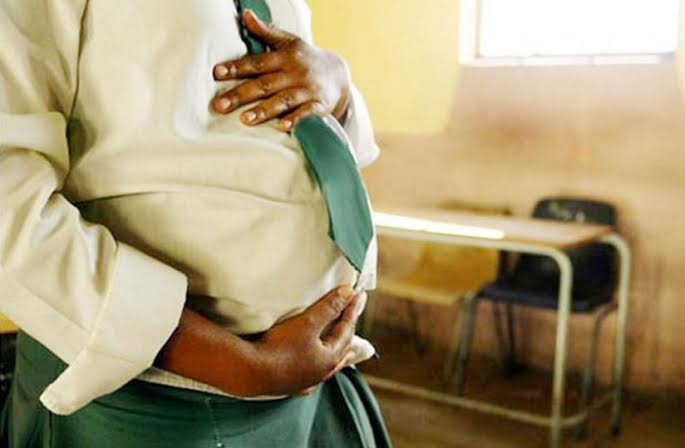
Basic Education Minister Siviwe Gwarube has published draft regulations on the management of learner pregnancy for public comment, which are aimed at strengthening protections for vulnerable learners and keeping more girls in school.
The proposed regulations, released under the Basic Education Laws Amendment (BELA) framework, are designed to ensure that pregnant learners are supported to remain in school during pregnancy and return after childbirth, without facing expulsion, suspension or discrimination.
Minister Gwarube says the regulations build on progress already made in protecting learners’ rights.
“We have moved away from a painful past where young girls were expelled or forced out of school due to pregnancy. These practices contributed to alarmingly high dropout rates. These regulations reaffirm our commitment to dignity, inclusion and equal opportunity.”
Under the draft rules, schools will be required to create a non-discriminatory and supportive environment for pregnant learners, safeguarding their physical and psychological well-being.
The draft regulations make provision for reasonable accommodation, including modifications to furniture, facilities and equipment, to ensure pregnant learners can remain safe and comfortable in the classroom.
Schools must also work with the Departments of Health and Social Development to ensure access to antenatal care, postnatal services and psychosocial support.
Principals must ensure pregnant learners continue attending school for as long as it is medically safe, provide academic support during periods of absence, and facilitate their return to class after childbirth.
Schools will also need to establish support teams to coordinate care, develop individual support plans and strengthen referral systems to health and social services.
District and school-based support teams will play a central role in managing cases, including helping learners access medical care, counselling and other essential services, while ensuring their right to basic education is protected.
The proposals also provide flexibility during exams and assessments. Medically fit learners will be allowed to sit for tests and final examinations, including the National Senior Certificate, while schools must provide alternative arrangements where necessary.
Importantly, the draft regulations introduce a mandatory reporting requirement: if a learner under the age of 16 falls pregnant, the school must report the matter to the Department of Social Development and the South African Police Service. Cases involving sexual offences must be handled in line with existing legislation.
Government says the aim is not only to address learner pregnancy, but also to stabilise school retention and reduce dropout rates linked to social and economic pressures.
Members of the public have 30 days from 25 March 2026 to submit written comments on the draft regulations via email to LearnerPregnancyRegz@dbe.gov.za.