

This article contains references to suicide, which some readers may find distressing. If you or someone you know is experiencing emotional distress or thoughts of self-harm, please seek support. For free, confidential assistance in South Africa, contact the Suicide Crisis Line at 0800 567 567 or SMS 31393.
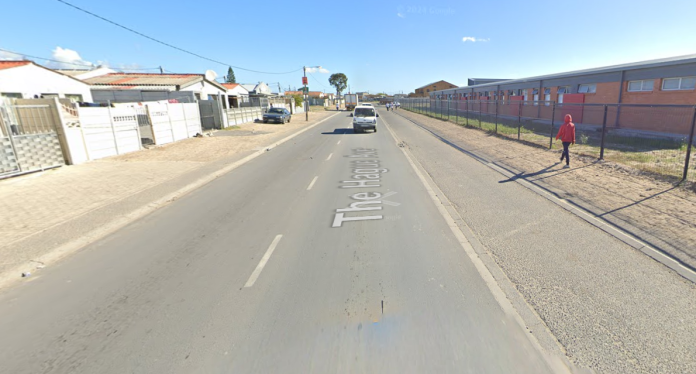
Police say the circumstances surrounding the tragic death of a nine-year-old boy, whose body was found at his home on The Hague Avenue in Delft on Sunday, are under investigation.
The boy, a learner at Delft North Primary School, hanged himself. While the full details are not available, it is believed that the boy had tried to take his own life before.
The Western Cape Education Department’s Bronagh Hammond says the school has been in contact with the parents and is providing counselling support to learners. The department has sent its deepest condolences to the family and friends for this devastating loss.
Delft Ward Councillor Michelle Adonis says this is an absolute tragedy that has shaken the community.
“My heart goes out to the pupil’s family, the staff, and the entire Delft North Primary School community. Losing a young life, especially in such circumstances, is devastating.”
She says her primary focus right now is ensuring that the necessary emotional and psychosocial support is immediately available.
Adonis has met with the school principal, class teacher and affected learners. She confirmed a dedicated team of social workers and trauma counsellors will be deployed to the school.
“This support will be available for students, teachers, and all school staff to help them process their grief and trauma.”
Adonis says she conducted a home visit to offer her condolences and ascertain the family’s immediate needs.
“I am assisting with the burial service through the City of Cape Town’s Mayoral Fund for Destitute Burials. We are also coordinating other necessary assistance, including linking the family to local NGOs and community support groups for long-term emotional and practical needs. A local church has also offered its assistance, for which we are grateful.”
She says long-term interventions and sustained mental health support are needed in schools and communities.
While the full circumstances are still unclear, the South African Depression and Anxiety Group (SADAG) says the tragedy reflects a worrying trend: more pre-teens are experiencing emotional pain so overwhelming that they may see no way out.
SADAG’s project manager for education, Roshni Parbhoo-Seetha, says the organisation has recorded suicides in children as young as six years old.
“It’s incredibly heartbreaking,” she says. “Preteen suicide is less common than in teens, but we are seeing more children between nine and twelve who are struggling with overwhelming emotional pain. They often don’t have the words to describe what they feel; it shows up in their behaviour instead.”
Parbhoo-Seetha says common contributors include:
- Bullying and online bullying, which follows children home long after school ends.
- Family conflict or instability, which children can absorb “so easily”.
- Academic pressure and a fear of disappointing adults.
- Trauma, including abuse, bereavement and exposure to violence.
- Mental-health conditions such as anxiety and depression.
- Social isolation, leaving children feeling alone and unsupported.
She adds that pre-teens often don’t understand the permanence of death.
“Many of them don’t actually want their life to end. They just want the pain or the problem to end.”
Access to the internet is also a major concern.
“Unfortunately, many children can look up information on Google or YouTube,” Parbhoo-Seetha warns.
She urges parents to monitor online content closely and to look out for warning signs such as withdrawal, sadness, mood changes, a drop in school performance, risky behaviour, self-harm, anger, crying spells, or sudden changes in eating or sleeping patterns.
Parbhoo-Seetha says if a child expresses suicidal thoughts, adults should remove sharp objects, medication, ropes or cords, and closely supervise the child. They should always inform teachers or caregivers and seek professional support immediately.
SADAG’s suicide helpline (0800 567 567) operates 24 hours a day. Those who prefer texting can reach counsellors on WhatsApp at 076 882 2775.