

The South African National Parks (SANParks) has renewed warnings to visitors to remain cautious around Cape fur seals following isolated cases of rabies reported along the Western Cape coastline. This is especially as the busy festive season is fast approaching.
This warning comes after the National Sea Rescue Institute (NSRI) recently revealed that approximately 19 seal bite incidents were reported in Cape Town this year alone. Nine of these incidents occurred during a single incident in Muizenberg, where a seal attacked a group of learner surfers. According to reports, six of the victims were children.
According to City of Cape Town Director of Marine and Coastal Management Gregg Oelofse, 189 seal bites have been recorded across the Western Cape since records began in late 2021.
READ MORE: Cape Fur Seal Update: A Reminder to Remain Cautious
Authorities continue to monitor the situation, with rapid intervention to remove seals displaying behaviour associated with rabies.
“Despite these incidents, Gregg says the situation is following a pattern predicted by rabies experts, describing it as “a slow burn – isolated clusters of rabid seals that come and go”,” added the NSRI
NSRI spokesperson Darren Zimmerman, who is also the Station 10 Simon’s Town station commander, says the situation in the area appears to have calmed since March, with no major recent incidents coming to his attention.
“We remain vigilant, we remain alert to the situation, we operate cautiously,” said Zimmerman
SANParks, however, added that while reports of unusual seal behaviour have decreased since March, authorities continue to monitor the situation closely.
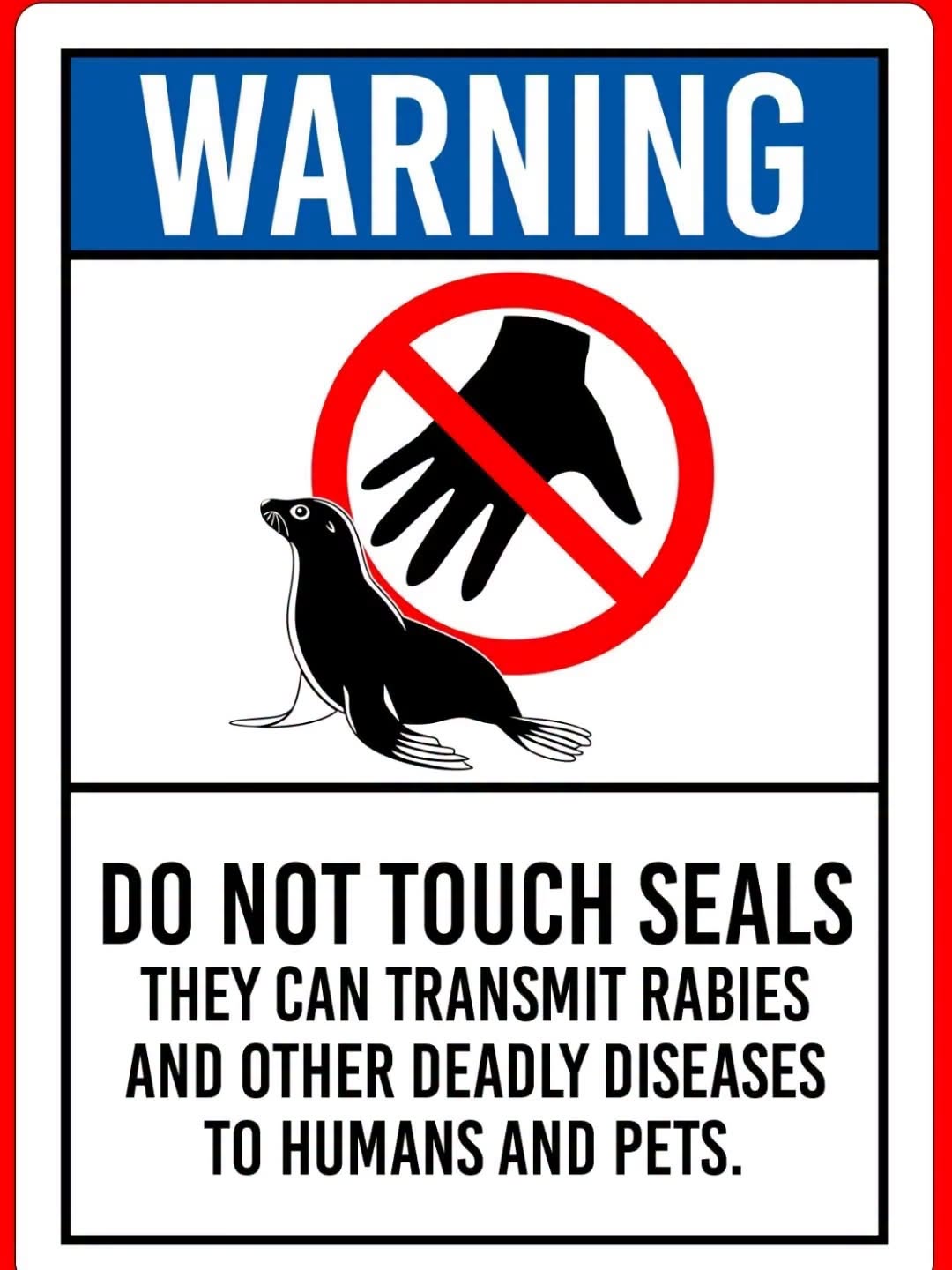
Visitors are reminded to keep a safe distance from seals; never touch, feed, or attempt to approach them; supervise children and pets near wildlife; and seek immediate medical attention if bitten or scratched by a seal.
READ MORE: CapeNature: at least 176 people bitten by seals along SA coastline