

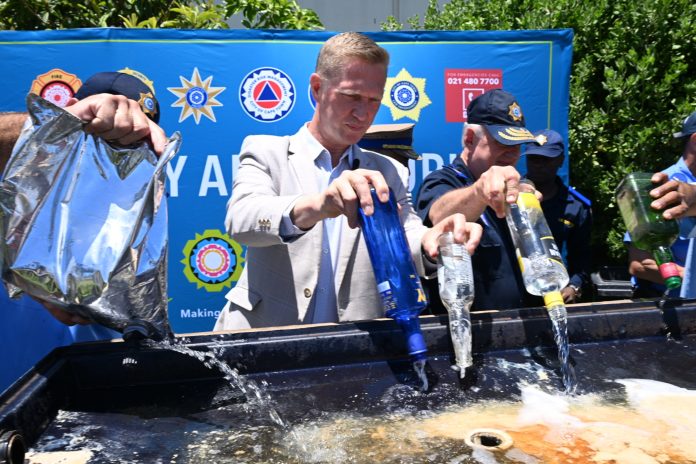
The City of Cape Town has issued a stern warning to the public not to bring alcohol or drink in public spaces this festive season, as it will lead to their liquor being confiscated and a R500 fine.
City officials, led by the Mayoral Committee member for Safety and Security JP Smith, destroyed nearly 3,000 litres of alcohol at the City’s Ndabeni pound on Thursday, 18 December.
In the first 11 days of December alone, the liquor pound received over 1,00 units of confiscated alcohol, amounting to just under 740 litres.
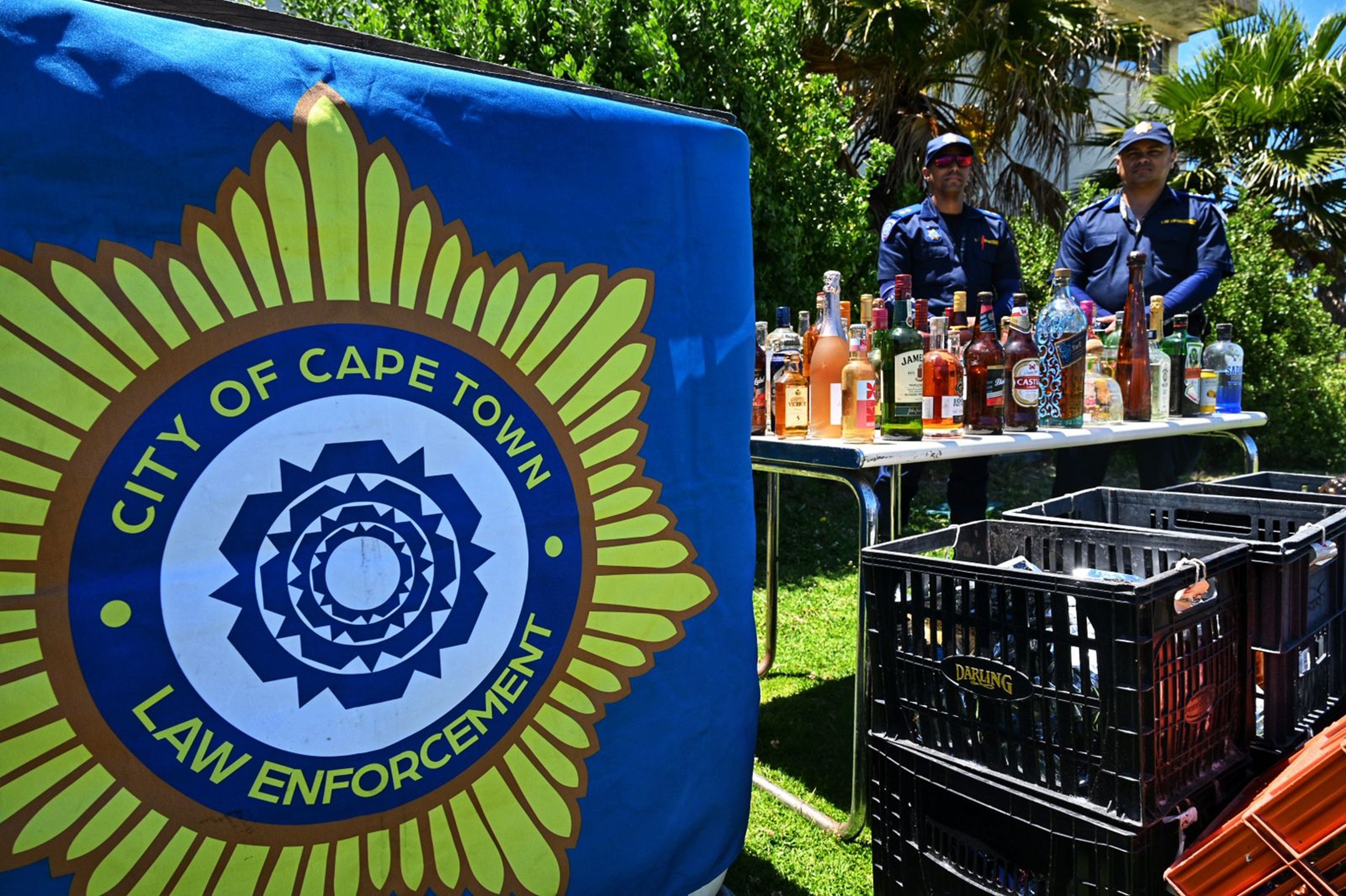
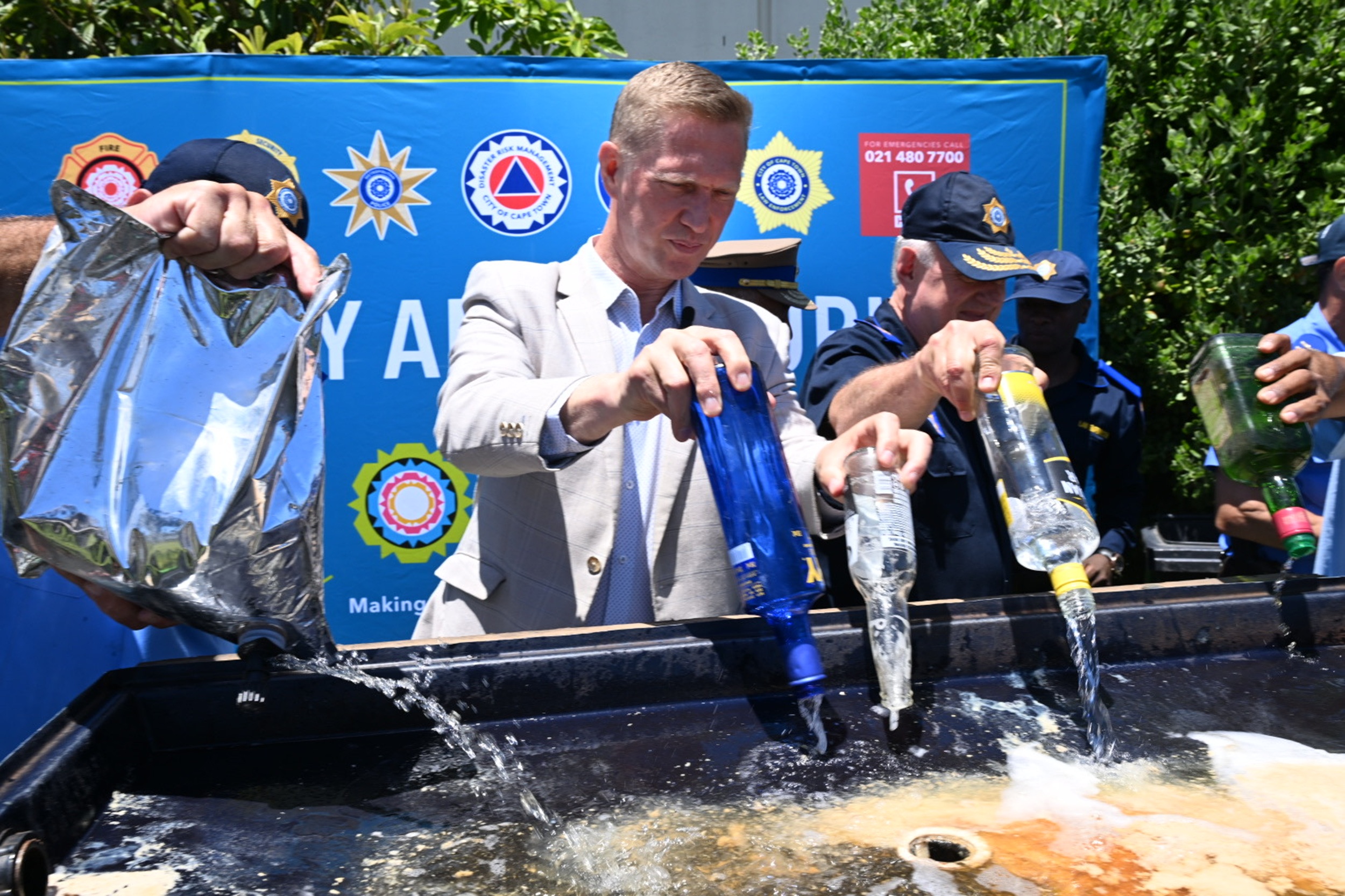
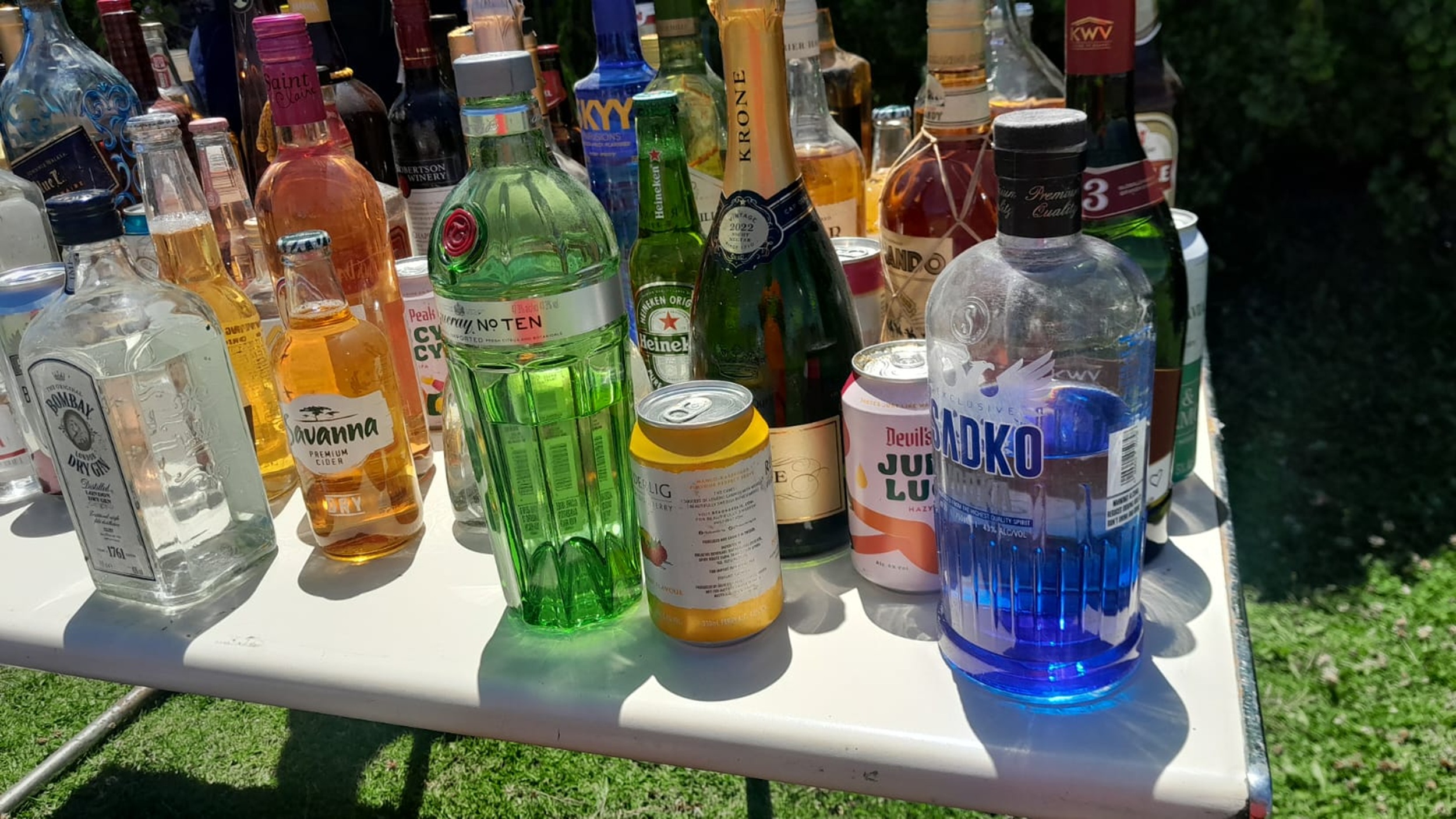
Smith says alcohol consumption in public spaces, and the trauma it can cause, remains one of the biggest headaches for enforcement and emergency services, particularly over the festive season.
“These totals will balloon over the coming weeks, and next year, we’ll dispose of it all. The City takes a lot of flak for the alcohol destruction, but the outrage around the destruction that irresponsible alcohol use causes is far more muted. We can significantly reduce incidents of interpersonal violence, drownings, road accidents and pressure on our trauma centres and enforcement services by making different choices, yet for many people this is simply too big an ask.”
The City’s Coastal by-law addresses the issue of liquor on beaches, and signage is posted at all beaches and public amenities, outlining what visitors are able to do.
Anyone found in possession of alcohol or consuming it will have their goods confiscated, in line with the City’s impoundment policy. They will also be fined R500.
The alcohol can be reclaimed, upon payment of the fine and the impoundment release fee, which is R835.
The impoundment policy also guides the disposal of liquor.
Smith says disposal is the easiest option, as a legal opinion obtained several years ago highlighted the complexities of selling the impounded liquor, including that the City would need a liquor licence, and that it would create the perception that confiscations are profit-driven and not in the interest of public safety.
“As we head into the peak festive season, I appeal once more to the public to leave the alcohol at home and to keep our public spaces alcohol-free, for their own safety, but also that of others.”