


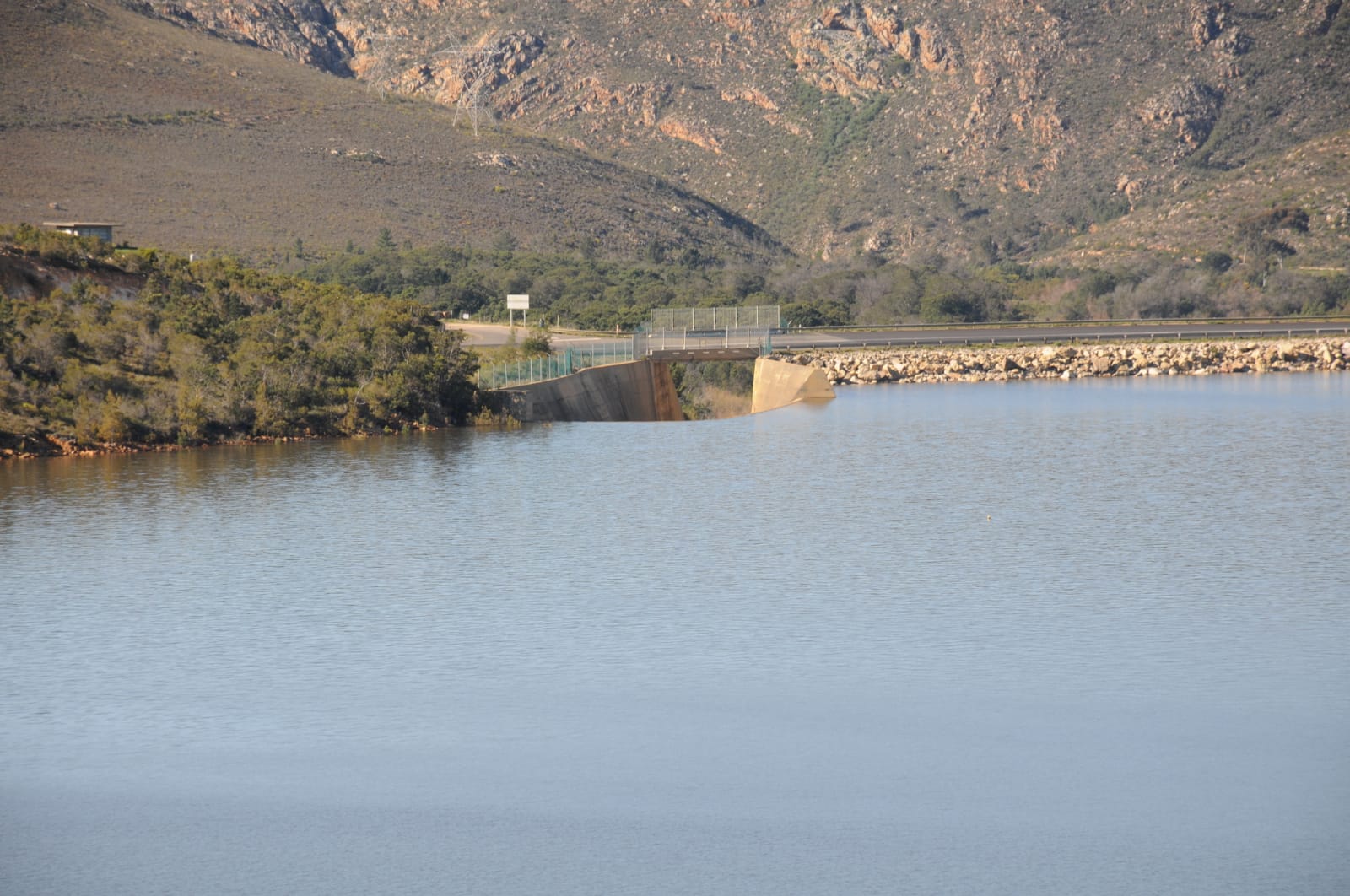
The City of Cape Town’s Mayoral Committee has unanimously supported the City’s decision to lift water restrictions in Cape Town and to move to the lowest tariff, being the no restriction, water-wise tariff from 1 November 2020.
The item was tabled at the meeting for noting and it will also serve before Council for noting next week.
Ongoing assessments were done over the past few months and the situation has been actively and proactively monitored by the City.
The decision to lift water restrictions and lower water tariffs is based on the following three key considerations:
• The National Department of Water and Sanitation’s (DWS) lifting of its restrictions applicable to the Western Cape Water Supply System (WCWSS) of shared dams, of which Cape Town is one of the users. Overall, the WCWSS dam levels reached 100%.
• City projections indicating dams are unlikely to drop below 50% by next winter. The lifting of all restriction measures, except for existing water regulations permanently in place due to the proactive management of water resources, will allow for water-wise usage, in line with the lowest tariff, which is slightly lower than the current, second lowest tariff level.
• City projections also indicating the latest anticipated water usage patterns for the coming summer will be sufficient to allow the lowering of water and sanitation tariffs from the second lowest tariff to the lowest, no restriction water-wise tariff level. These tariffs are already part of the Council-approved budget for the 2020/21 financial year, which followed due process including a public participation process.
The tariff has already been approved by Council as part of the set of tariffs for the City’s 2020/21 budget.
‘This lowest tariff will offer residents some financial relief while ensuring we can still provide reliable water services and invest in new water sources. Tariffs are set to cover the cost of providing water and sanitation. This includes the maintenance of infrastructure and making sure Cape Town is resilient by investing in and adding new sources to its water supply and becoming a water-sensitive city,’ said the City’s Executive Mayor, Alderman Dan Plato.
What residents need to know about water tariffs:
• City water costs on average 4c per litre in comparison to R10 per litre for shop-bought bottled water.
• Based on the first 10 500 litres of water used + 15mm meter the average bill will be R411,99 on the no restriction, water-wise tariff. This is compared to R785,38 under the Level 6B tariff at the peak of the drought.
• The City’s water tariff, like some other metros, has a usage and a fixed part and it forms the total water tariff that covers the cost of providing water. This includes the maintenance of infrastructure and making sure Cape Town is resilient by adding new sources to its water supply and becoming a water-sensitive city.
• The cost of providing the service remains largely the same regardless of how much or little water is used, or how full the dams are.
• Residents who are registered as indigent do not pay the fixed basic part of the water tariff and receive a free allocation of water monthly.
• The City does not budget for a profit/surplus from the sale of water, and seeks to keep costs of service delivery as low as possible.