


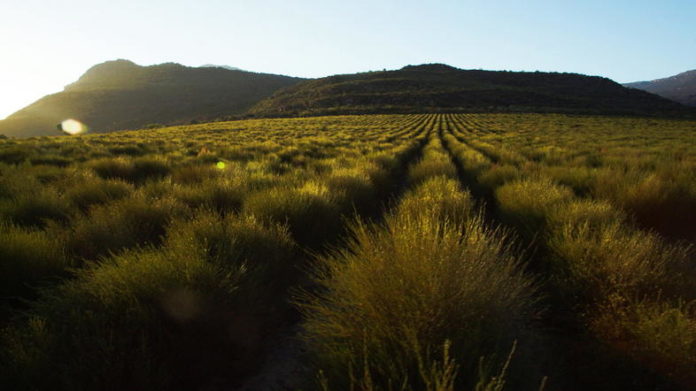
Though heavy rain and floods caused destruction in large parts of the Cederberg area, the Rooibos fields remain unharmed.
The main road to Citrusdal, known as the gateway to the Rooibos Valley, was greatly damaged and washed away by torrential rain. This left many residents stranded with no access to or out of the village for days.
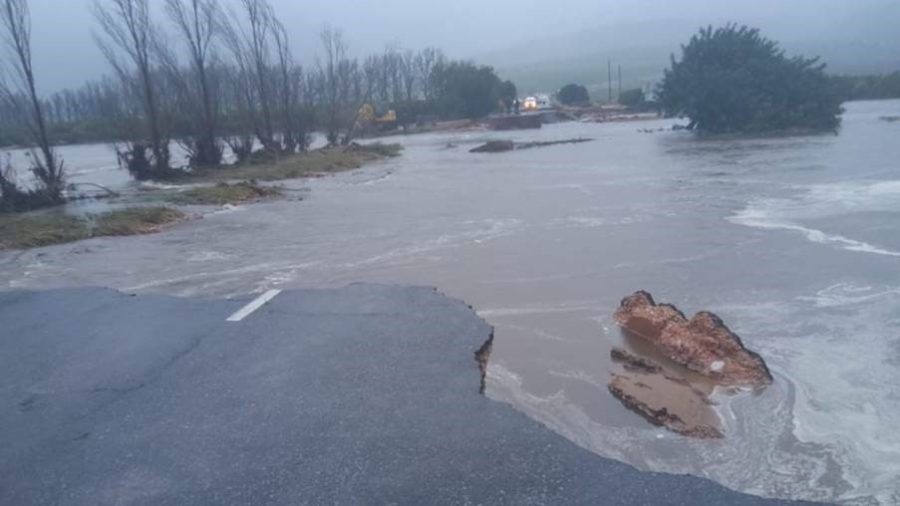
Chairperson of the SA Rooibos Council (SARC), Martin Bergh, says the council has not received any damage reports on Rooibos fields yet, with only some nurseries that suffered losses.
“Typical rainfall for the Rooibos production area is 200 to 600 mm per year. June has been very wet, and most areas are approaching their full-year average.”
While winter typically marks the start of the Rooibos planting season, (due to its requirement of good soil moisture for germination and regular follow-up rains to flourish), farmers have to time it right.
“It’s no good planting new seedlings in waterlogged soil, which is unable to drain. Fortunately, few farmers have started planting new fields as seedlings would have been washed away. With more rain predicted for July, soil moisture levels should remain good, and farmers can still plant as late as August.”
Perfect environment for Rooibos growth
The growth of more established fields also relies on winter rainfall. A combination of sunlight and rain ensures a stable and healthy yield of Rooibos. According to Bergh, the excessive rainfall recently experienced is likely to benefit Rooibos fields situated at higher elevations on the mountain slopes. These fields have deep, well-drained soil with low clay content, which will promote good growth once temperatures rise.
Currently, farmers are embracing the wet conditions, as full dams are crucial due to the potential return of El Niño in the second half of the year. In the past, the impact of El Niño was severe, and while climate research experts cannot predict the upcoming season, farmers must anticipate the potential impact. Climate models suggest that such events will occur more frequently in the long term, leading to extremely hot and dry conditions.
Bergh mentions that attempts have been made to grow Rooibos outside of its native region in Argentina, the USA, China, and Australia, but none have been successful. Rooibos only thrives in the Cederberg region of the Western Cape, making it commercially viable. Consequently, the European Commission has granted Rooibos the status of a Protected Designation of Origin (PDO) and Geographical Indicator (GI) in the EU register.
This recognition acknowledges the specific origin of the product and ensures transparency for consumers regarding its authenticity.
READ MORE: Cederberg floods, Citrusdal cut off


