


Capetonians will now, for the first time, be able to fly directly to Zanzibar without stopping. Southern African airline, Airlink, says the new first-ever non-stop Cape Town-Zanzibar route will open in October 2026. Travellers will be making their way to the island on the airline’s brand new Embraer E195-E2 jets. Capetonians will now, for the first time, be able to fly directly to Zanzibar According to a media statement, this will
Water and sanitation regulators from 15 African countries have arrived in the Mother City to attend a special conference, which starts tomorrow. This will be the fourth conference of water and sanitation regulators. It will be held at the CTICC. Water and sanitation regulators from 15 African countries have arrived in the Mother City South Africa’s Deputy Minister of the Water and Sanitation Department, David Mahlobo, will open the congress. According
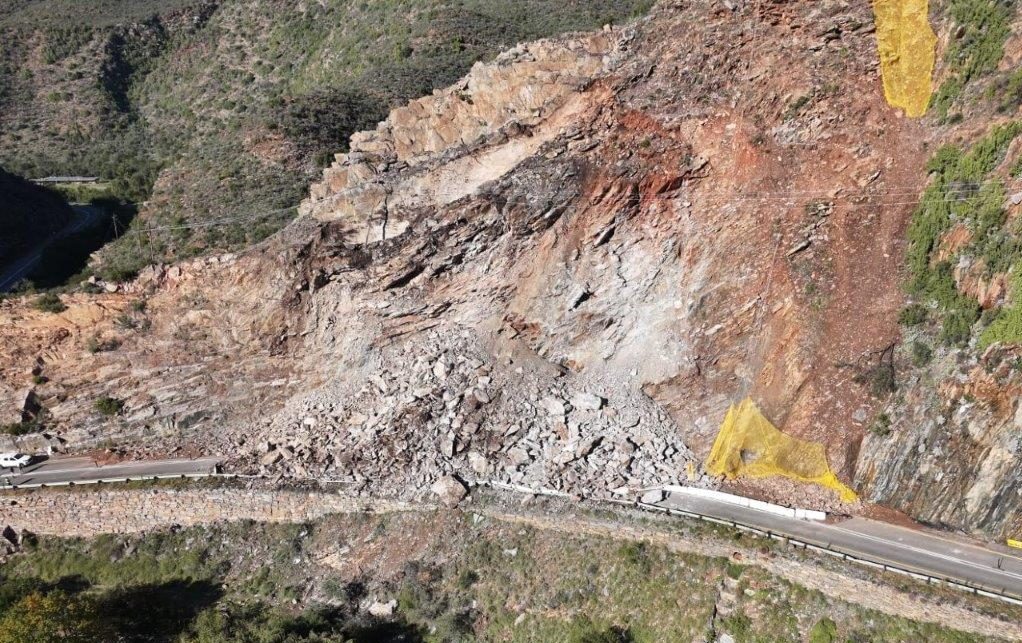
The Western Cape Department of Infrastructure has confirmed that the road between Oudtshoorn and Cango Caves remains closed. MEC Tertius Simmers says there is an alternative route available . The road between Oudtshoorn and Cango Caves remains closed He says the road was closed following a significant rockfall on the section between Oudtshoorn and the Cango Caves. MEC Simmers says safety remains the provincial government’s top priority. He says while debris is visible

Caitlin O’Connor is a working LA born actress, model, TV host, and producer – now living in Cape Town, while her movie star fiancé Joe Manganiello shoots his new Netflix series ONE PIECE in the Mother City. Known for her roles on HBO’s Winning Time, Key & Peele, and Two and a Half Men, Caitlin now embraces life in Cape Town while still engaging with her Hollywood career and industry projects in LA and
The City’s Water and Sanitation Directorate is urgently appealing to all residents and businesses across Cape Town to drastically reduce water consumption to essential use only. Recent severe weather has significantly affected raw water quality at key water treatment plants. Mud, debris and sediment washed into dams have reduced drinking water production capacity. Bulk water storage reservoirs are currently at 45%, below the minimum operating threshold of 55%. Immediate consumption


