
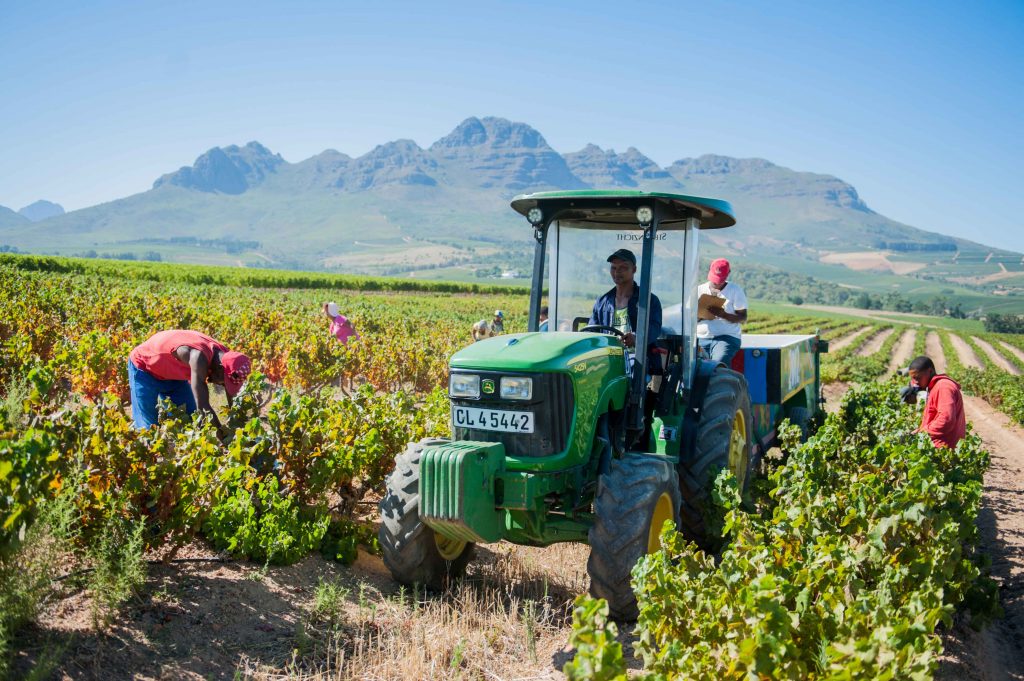
As South Africans are bracing for a massive fuel price shock on 1 April, South Africa’s agricultural sector is raising fresh concerns about fuel availability, warning that emerging supply constraints in rural areas could disrupt farming operations and threaten food production.
Industry bodies AgriSA and Agbiz, which represent the full agricultural value chain, have called on the Department of Mineral Resources and Energy to urgently consider a temporary adjustment to the country’s fuel pricing mechanism.
The appeal follows a joint survey conducted on 24 and 27 March among farmers and fuel retailers servicing the agricultural sector. While official communication has maintained that national fuel supply remains stable, the agricultural organisations say the survey paints a more complex picture at farm level.
Respondents across several regions reported constrained supply, with some fuel retailers introducing rationing measures and limiting volumes due to uncertainty over replenishment.
“These developments are already beginning to affect normal farming and agribusiness activities at a critical stage in the production cycle.”
AgriSA and Agbiz say the situation does not stem from a single cause, but rather a combination of global oil market volatility, supply chain pressures, and behavioural responses within the market. In such an environment, they argue, accurate and responsive pricing signals are essential to stabilise supply.
To ease pressure and reduce the risk of further disruption, the organisations have proposed an immediate, out-of-cycle fuel price adjustment to better reflect current market conditions.
They are also calling for more frequent, temporary price reviews instead of the standard monthly adjustments during the current period of volatility.
According to the groups, these measures are not intended to increase costs, but to ensure prices more accurately reflect underlying conditions, reducing incentives for panic buying or supply withholding.
Fuel is a major input cost in agriculture, accounting for roughly 12% to 18% of production expenses. Any disruption in supply, particularly during peak planting, harvesting or transport periods, poses a direct risk to food production, supply chains, and ultimately, national food security.
The Department of Mineral Resources and Energy has not released the final fuel price adjustments for April, as political parties pressure the government to delay and reduce fuel levies to cushion the blow.
If prices are adjusted without intervention, South Africans face a massive fuel increase of between R6 (for petrol) and nearly R11 (for diesel).
Neighbouring country Namibia shielded its citizens from the full impact of a fuel price increase, opting to reduce fuel levies by 50% for the next three months, which is the same proposal the DA has put forward.