
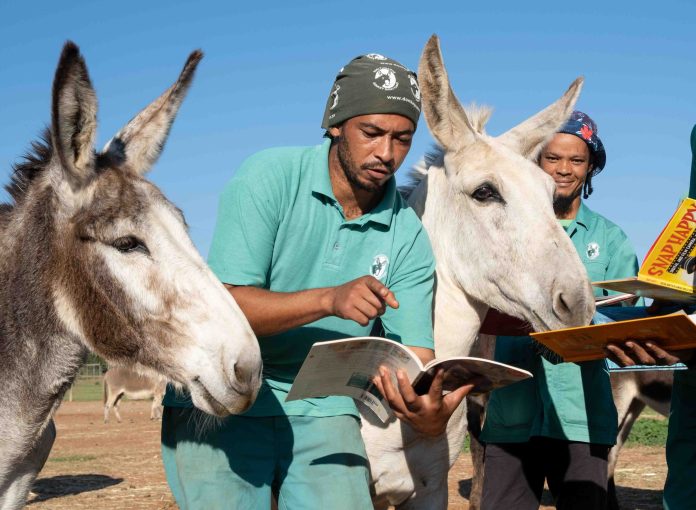
A book fair for the love of donkeys, and the majority of the books will be sold at R30 each. If you fancy a drive to the Platteland, now is the time to start planning.
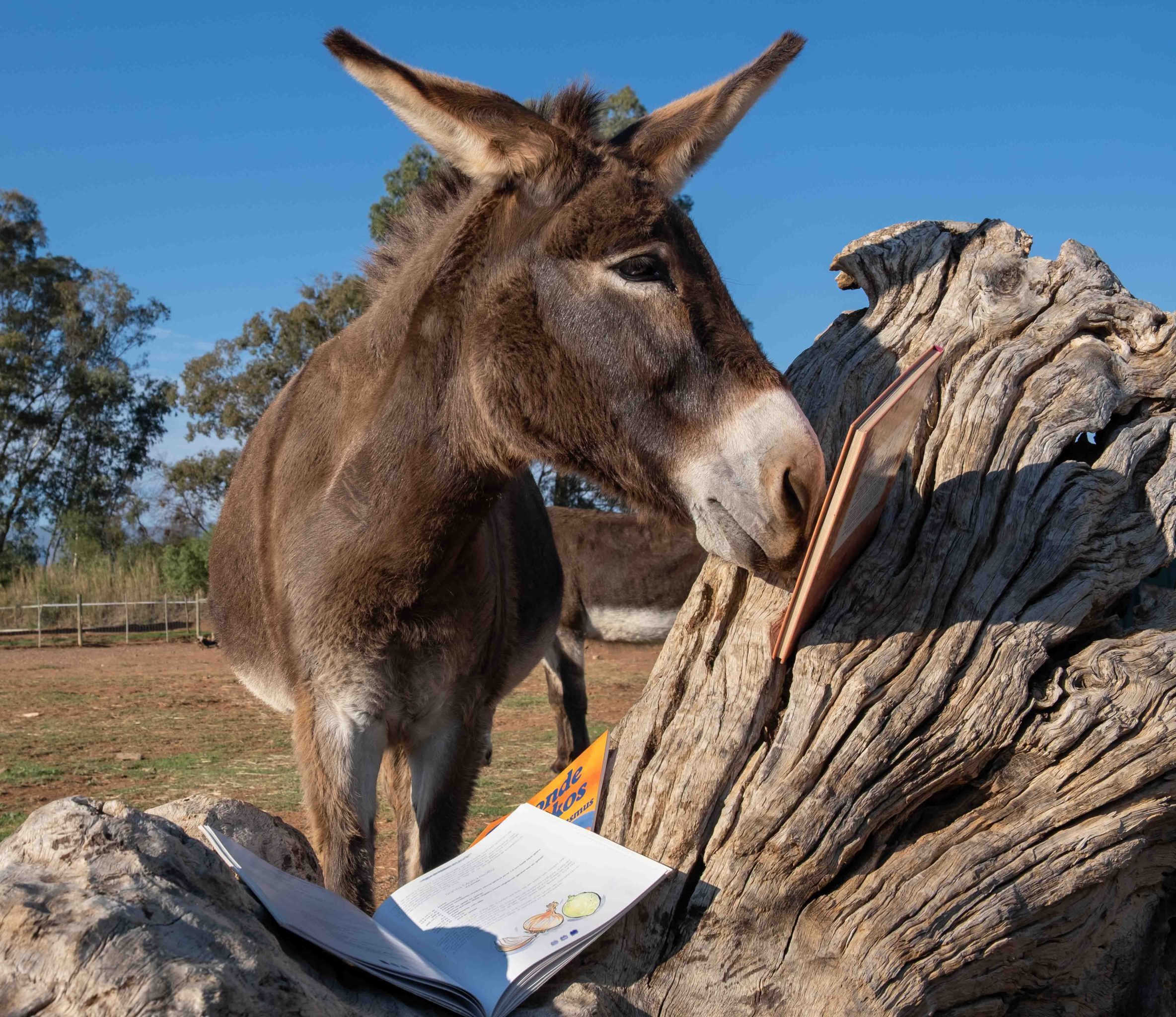
PHOTO: Jackie Wernberg
A book fair for the love of donkeys
Book lovers can look forward to browsing to their heart’s content at the popular annual Eseltjiesrus Donkey Sanctuary Book Fair. You can look for fiction, travel stories, children’s books, cookbooks, poetry collections, or rare and precious books. There will be thousands of new and second-hand books to choose from. Fresh new selections will be unpacked daily during the run of the event.
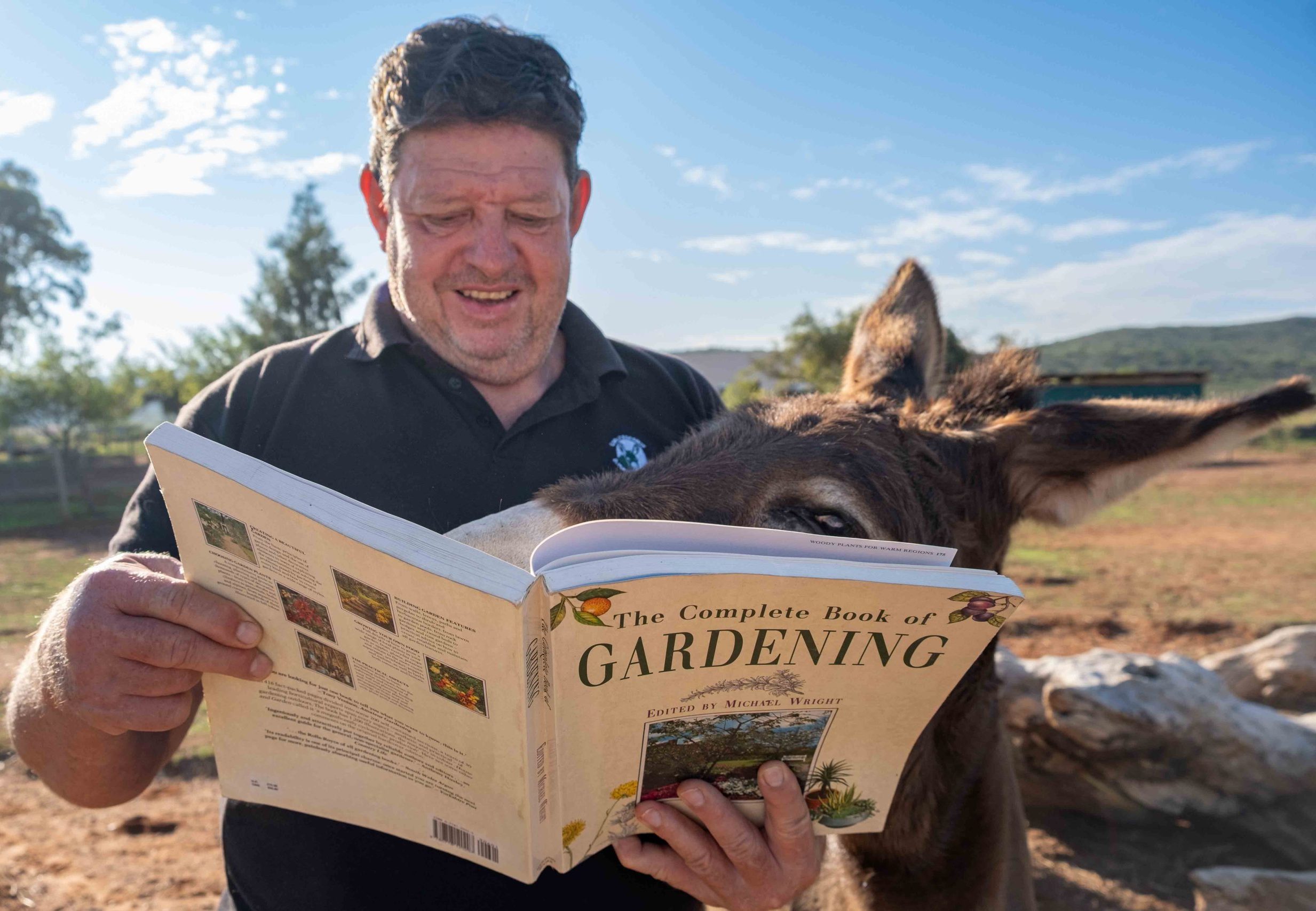
PHOTO: Jackie Wernberg
Buy books for the winter at the Fair
The majority of the books will be sold at R30 each. Additionally, there will be beautiful coffee table books that will be individually priced. For collectors, a selection of rare books will be available in the form of a silent auction. Interested parties can view the books and put forward their bids on forms that will be available at the display table. The highest bidder will be notified of their purchase.
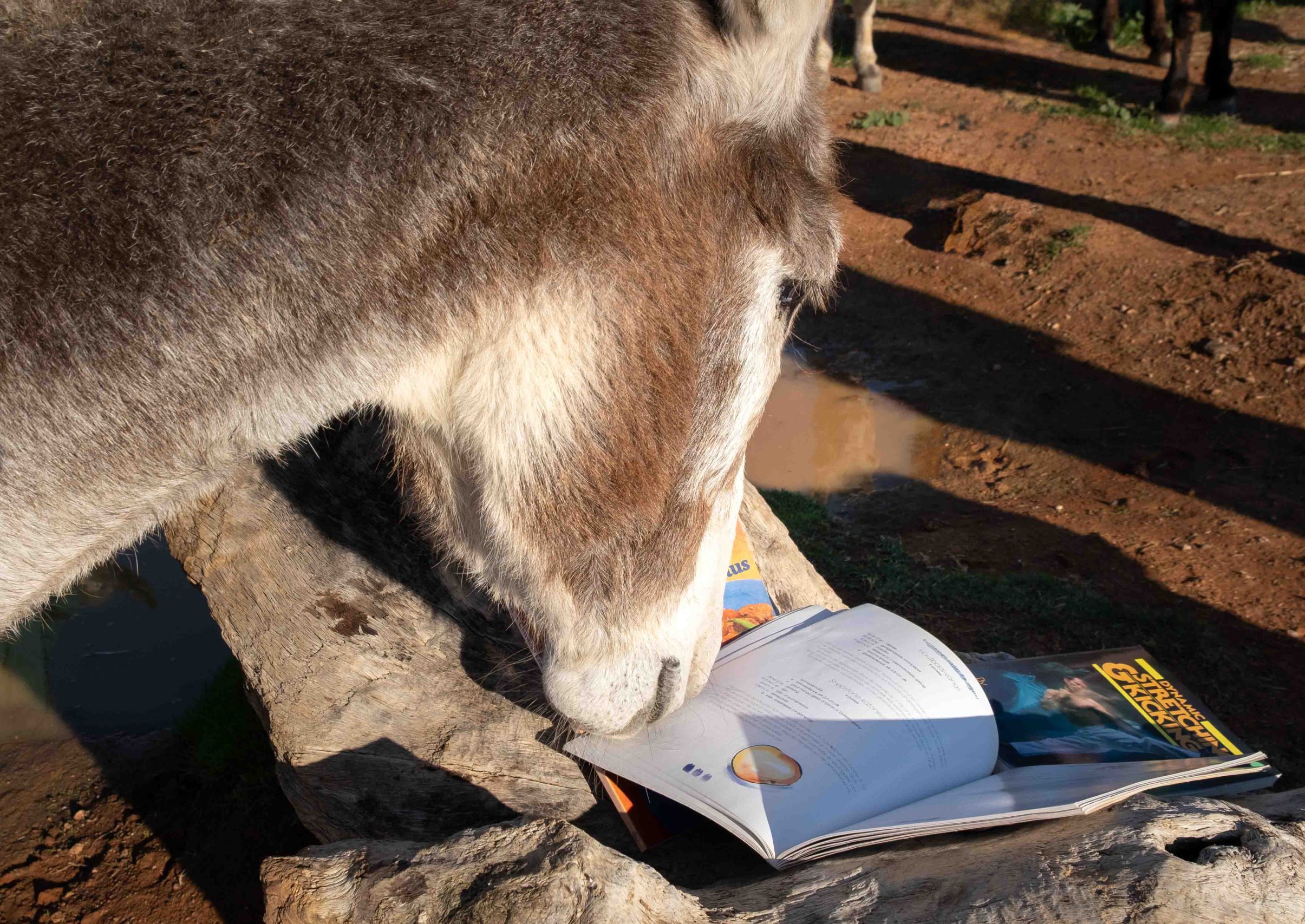
PHOTO: Jackie Wernberg
World Donkey Day on 8 May
Eseltjiesrus near McGregor is a permanent home for elderly, neglected, and abused donkeys. Here, they are allowed to comfortably spend the rest of their lives in the company of other donkeys from similar dismal circumstances. The donkeys are individually named and receive daily care according to their age and needs.
In 2001, Dr Johan & Annemarie van Zijl of McGregor village in the Western Cape of South Africa responded to a request from the SPCA to provide shelter for two badly neglected donkeys. The two fellows arrived and were named Vaal & Japie – “vaaljapie” is an Afrikaans term for everyday wine. Soon it became evident that there were many other donkeys similarly in desperate need of food, water, shelter and care. Eseltjiesrus was formally registered in 2007. At the time, a donkey named Adam was the first to arrive in donkey-paradise.
A day in the life of Donkey Care at Eseltjiesrus:
Each day, the donkeys enjoy their breakfast at 8 am. While they eat, the carers move among them to make sure that they are eating well and have no injuries or health concerns. Then the staff get their grooming brushes ready for morning care. This involves greeting, brushing and stroking each donkey. This loving routine also includes the cleaning of hooves and the application of fly repellent. The donkeys then move off into the spacious farmland to graze, while the carers do their chores.
The last meal of the day will be at 4 pm, after which the donkeys are individually checked again and tucked in for the night. Sometimes there are visits from a vet, a farrier, or a donkey-dentist. The donkeys are always the team`s top priority.
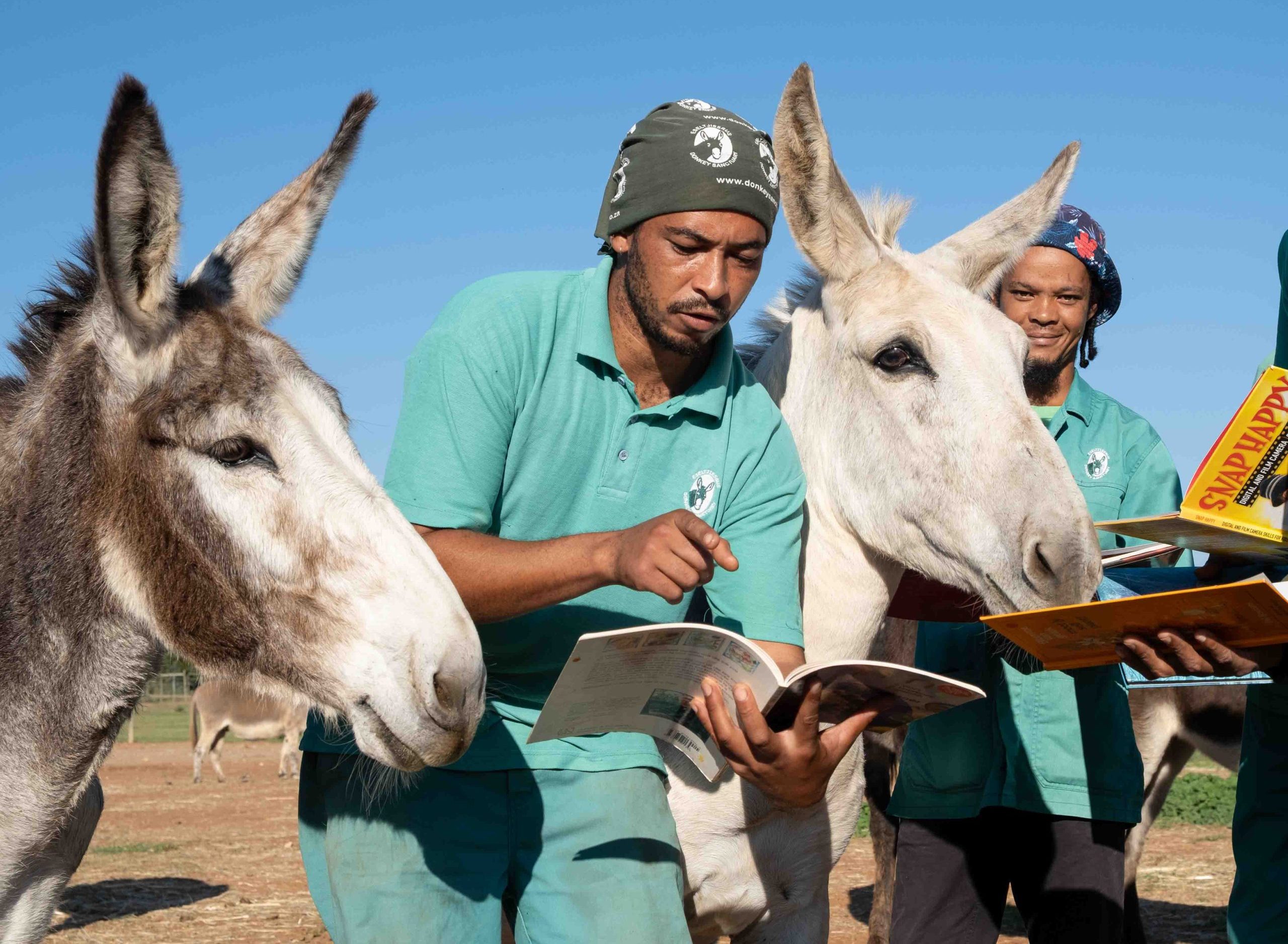
PHOTO: Jackie Wernberg
Stock up on some great reading material for the winter ahead!
Eseltjiesrus also handles inquiries from all over the country about good care practices for donkeys. Most problems arise from ignorance or the misconception that donkeys do not require regular handling and care. This educational assistance provided by the sanctuary makes a significant difference in improving public knowledge of donkey care. Every book sold will help with the care and rehabilitation of these retired donkeys. The success of this year’s Book Fair in Robertson will thus play an indispensable role in the upcoming year’s work and activities at Eseltjiesrus.
READ MORE: Learn more about the adoption process