


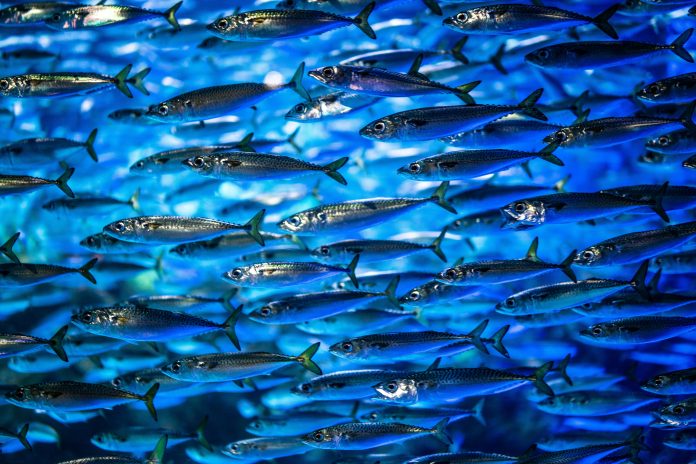
Residents, anglers and beachgoers are urged to avoid any contact with sardines and other fish that may wash up on beaches in the Western Cape.
This is a precautionary measure amid an investigation by the Department of Forestry, Fisheries and the Environment (DFFE) into occurrences of dead or dying sardines washing ashore along the Western Cape coast.
“Members of the public are strongly advised not to collect, handle or consume dead or dying fish found on beaches or floating at sea,” said the department in a statement on Sunday.
The department said it recently received reports from fishers and members of the public of fish that washed ashore and of sardines seen floating on the surface of the sea offshore Hout Bay.
The DFFE noted similar incidents in several locations along the coast from Saldanha Bay to Gansbaai, which prompted the collection of fish samples in Saldanha Bay on Saturday.
Those samples would undergo “examination and diagnostic testing” on 3 August.
Meanwhile, teams will continue work at sea to determine the full extent of the sardine mortality. Investigators will also examine whether the harmful algal bloom currently affecting the Saldanha Bay area has played a role.
“A harmful algal bloom caused by the dinoflagellate Alexandrium catenella is currently present in the Saldanha Bay area. However, given the wide geographic extent of the reported sardine mortality, it cannot at this stage be assumed that this bloom is responsible for all the reported mortalities,” read the department’s statement.
The department said it would provide further updates after the initial tests have been completed.
“The investigation will consider a range of possible causes, including harmful algal blooms and associated toxins, environmental conditions and fish disease. No cause has yet been confirmed, and conclusions should not be drawn before the samples and available environmental information have been assessed,” said the department.


