


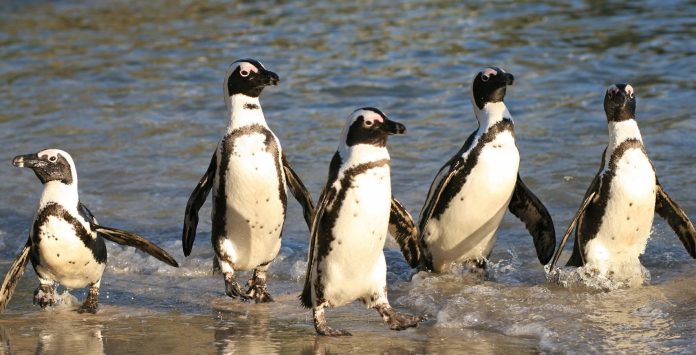
There is a robust colony of African Penguins in the Cape. That’s according to South African National Parks. SANPARKS says encouraging results were recorded from the latest report of the 2026 annual African penguin census conducted at the Boulders colony in Table Mountain National Park.
African Penguins’ robust colony in the Cape
Using standardised, internationally recognised census methods to ensure consistency and comparability, the team recorded 790 breeding pairs of African penguins. This marks an increase of 92 breeding pairs from the 698 recorded in 2025. Based on standard population estimates, the Boulders colony currently supports approximately 2,528 individual penguins, accounting for roughly 8 to 9% of South Africa’s total African penguin population. This highlights the colony’s importance as a key breeding site for the conservation of this critically endangered species.
A collaborative team
A collaborative team comprising SANParks, along with partners from the Department of Forestry, Fisheries and the Environment (DFFE), the City of Cape Town, Cumic Rangers, the Southern African Foundation for the Conservation of Coastal Birds (SANCCOB), and dedicated volunteers, conducted the annual survey of the African penguin colony, which takes place in June each year.
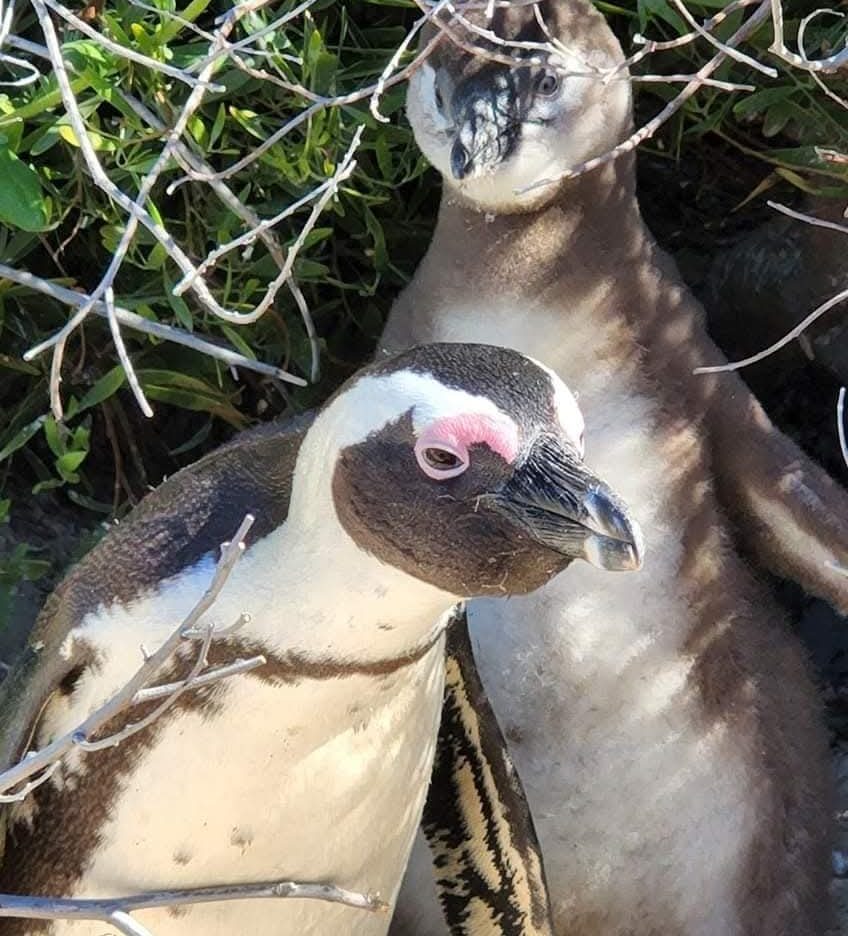
Fewer than 10,000 breeding pairs remain in the wild globally
The increase comes at a critical time when fewer than 10,000 breeding pairs remain in the wild globally. African penguins continue to face severe, long-term population declines driven by reduced availability of their key prey species, such as sardines and anchovies, as well as environmental variability, habitat changes, predation, disease, and other human-related pressures.
One of the most significant African penguin colonies in South Africa
Boulders remains one of the most significant African penguin colonies in South Africa and has demonstrated notable resilience compared to many other colonies that continue to decline. While a single year’s increase does not indicate full population recovery, the results provide a welcome sign of stability.
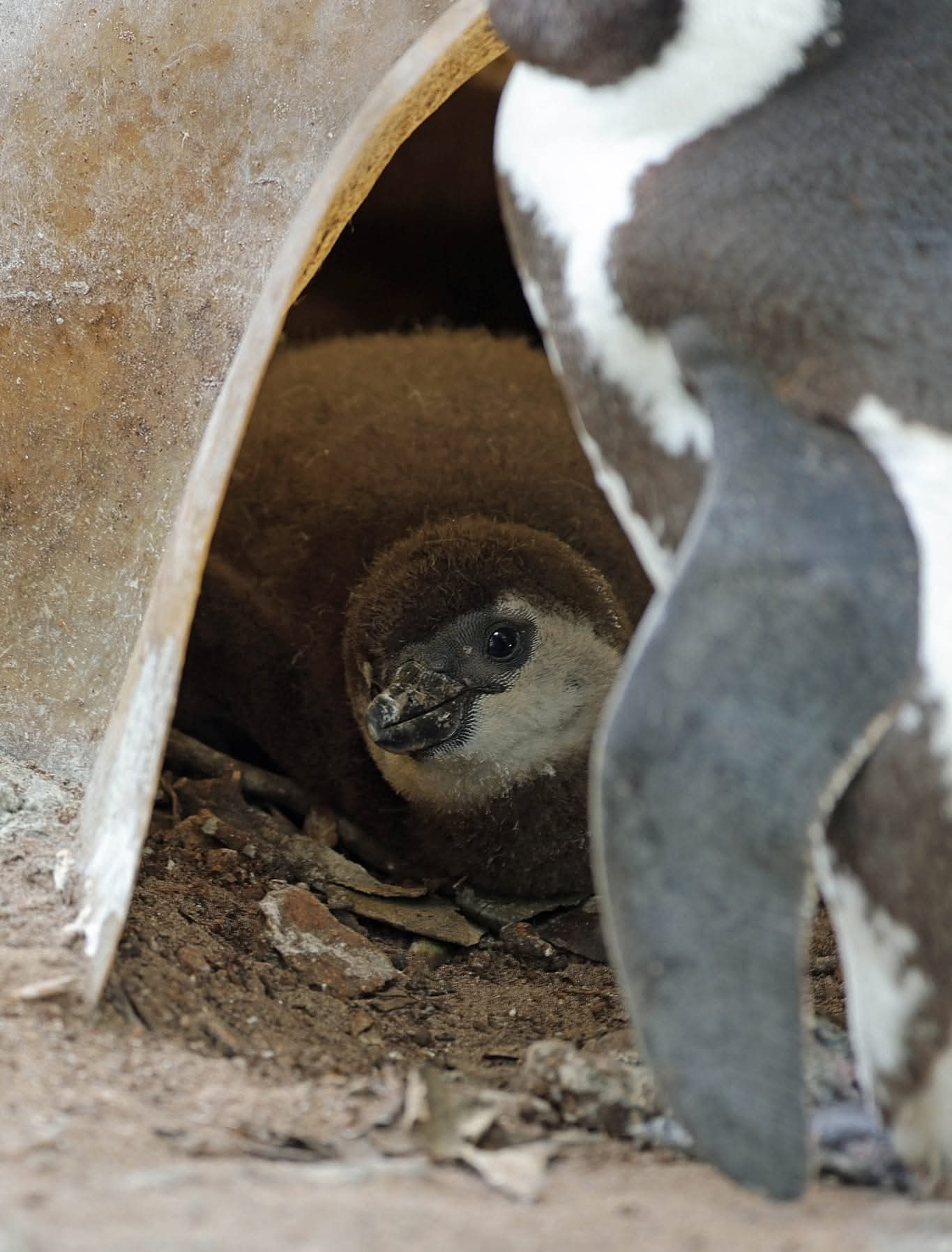 This positive trend underscores the importance of sustained conservation efforts and strong partnerships. SANParks continues to work closely with the City of Cape Town, SANCCOB, Nature Connect, researchers, volunteers, and other stakeholders on initiatives that include habitat management, rehabilitation of sick and injured birds, disease monitoring, ongoing scientific research, and environmental education.
This positive trend
Long-term, standardised monitoring remains essential in understanding how penguin colonies respond to environmental changes and conservation interventions. While this year’s increase is encouraging, sustained and coordinated conservation action remains critical to securing the future of African penguins.
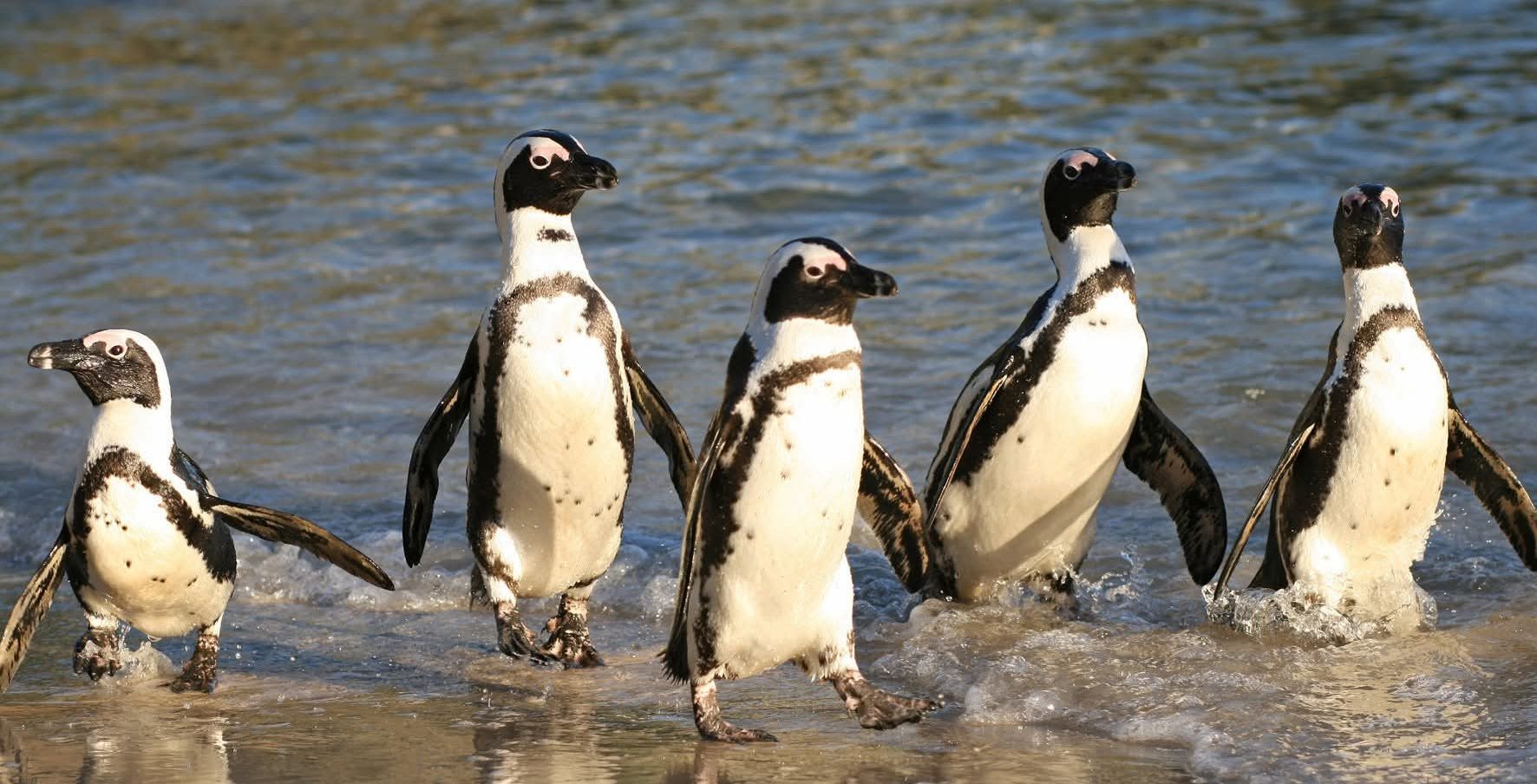 SANParks extends its appreciation to all partner organisations and volunteers who contributed to the census and continue to support African penguin conservation efforts at Boulders and across South Africa.