


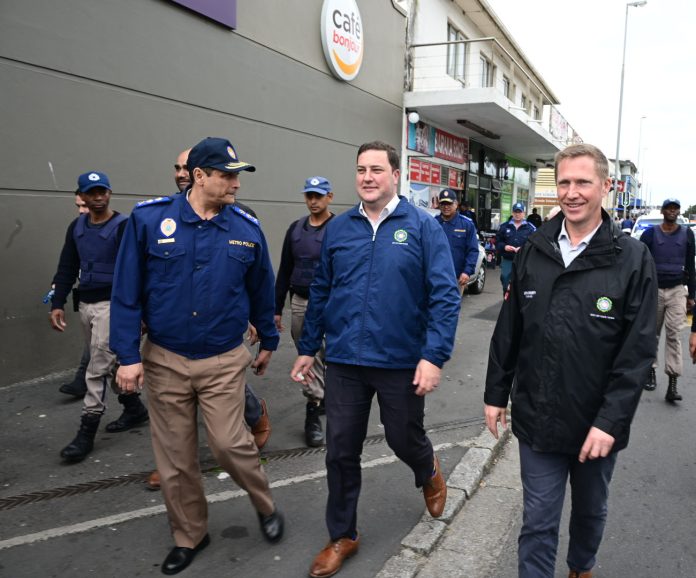
The City of Cape Town says there is currently no confirmed intelligence pointing to a large-scale shutdown or civil unrest on 30 June, but they are taking a precautionary approach.
Smaller marches have taken place in several suburbs in the lead-up to the supposed mass action, but these have been peaceful.
The MMC for Safety and Security, JP Smith, says the Directorate is actively monitoring the situation and the necessary operational plans are in place to deal effectively with any potential threats or incidents that may arise.
He says the city is working with police and other relevant partners, and enforcement will be able to deploy rapidly should the need arise.
“We remain committed to maintaining stability and minimising any potential disruption, particularly given the importance of protecting Cape Town’s reputation as a safe and welcoming destination. Any unlawful behaviour, including intimidation or violence, will be addressed decisively.”
Smith has encouraged businesses to continue normal operations while remaining vigilant.
Residents can phone 021 480 7700 or utilise our anonymous tip-off line 0800 11 0077 to notify the City of any planned unrest.
Meanwhile, a Ward Councillor for the Table View and Parklands area, Jonathan Mills, has dismissed fears over a planned March & March protest in Parklands this Saturday, 27 June, appealing to the community to remain calm.
Mills says the current “fears of chaos” are greater than the risks that they have been monitoring.
He says no permit has been applied for or granted for the Parklands march, which means numbers will be limited, noting that other similar marches across the City, including Claremont and Sea Point, have been attended by between 40 and 60 people.
But Mills says they are monitoring the situation closely, ready to take action against anyone who resorts to violence.
“Across Cape Town, the response to these pre-election campaigns of fear is much more muted than the rest of our country because we are building a functional and inclusive City. We don’t have the desperation and the need for scapegoating that results from communities and services collapsing – taking people’s livelihoods and investments down with it.”