

Rescued Turtle Kai Returns Home after Six Years of Rehabilitation at the Two Oceans Aquarium. After nearly six years of intensive rehabilitation, Kai, a juvenile loggerhead turtle rescued as a fragile hatchling in 2020, has finally returned to the ocean in an emotional release led by the Two Oceans Aquarium Foundation.
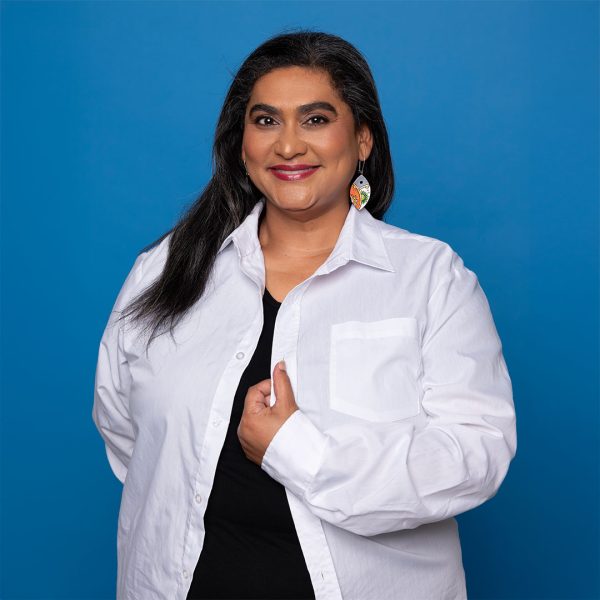
“Kai’s story is one of resilience, innovation, and hope,” says Talitha Noble-Trull of the Two Oceans Aquarium Foundation.
Rescued Turtle Kai Returns Home after Six Years of Rehabilitation at the Two Oceans Aquarium
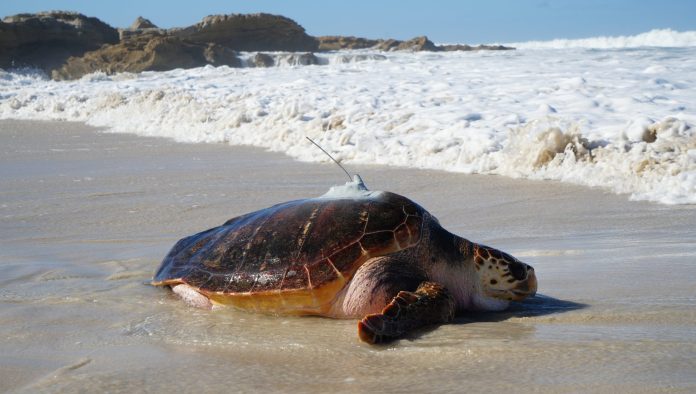
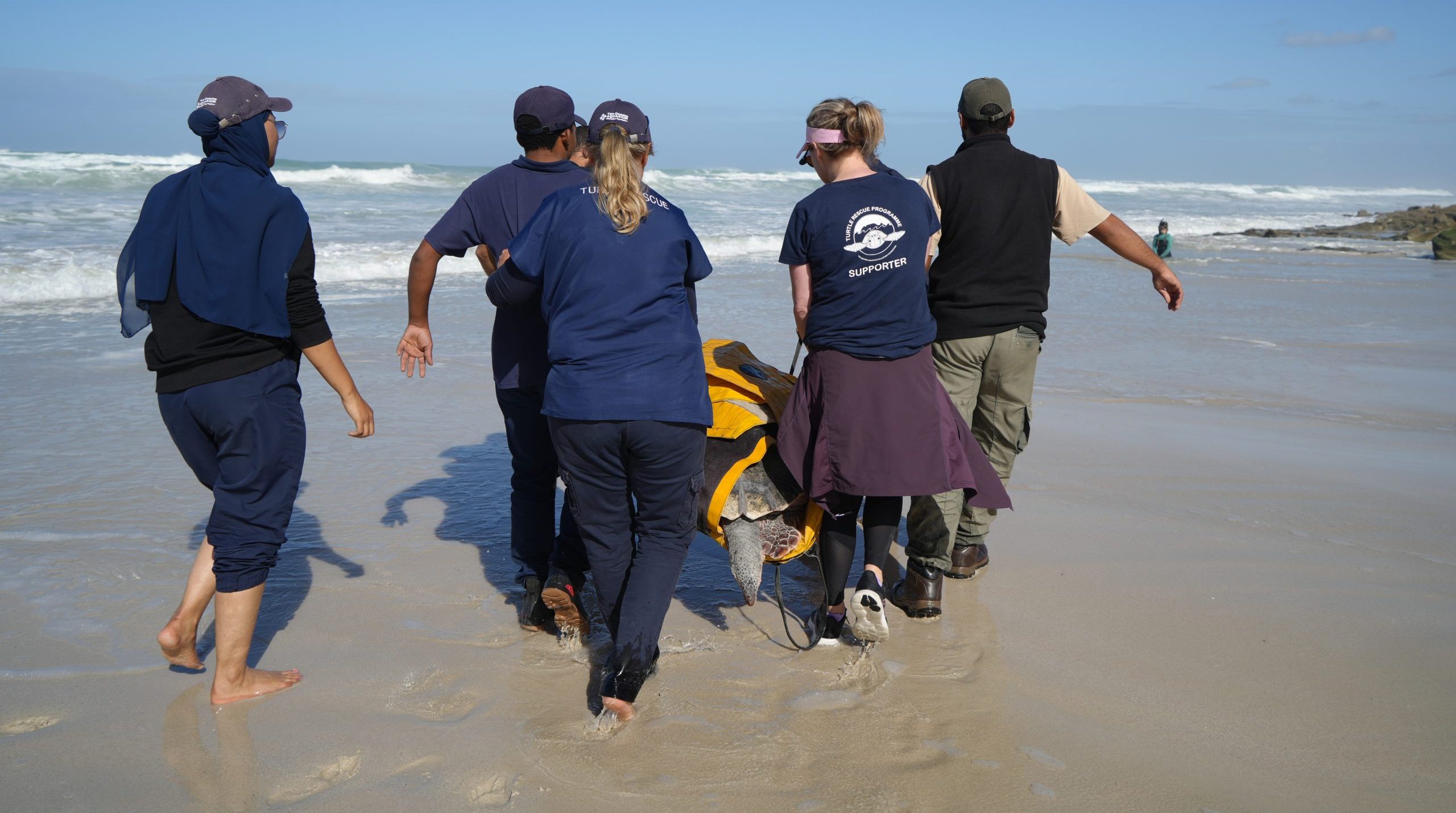
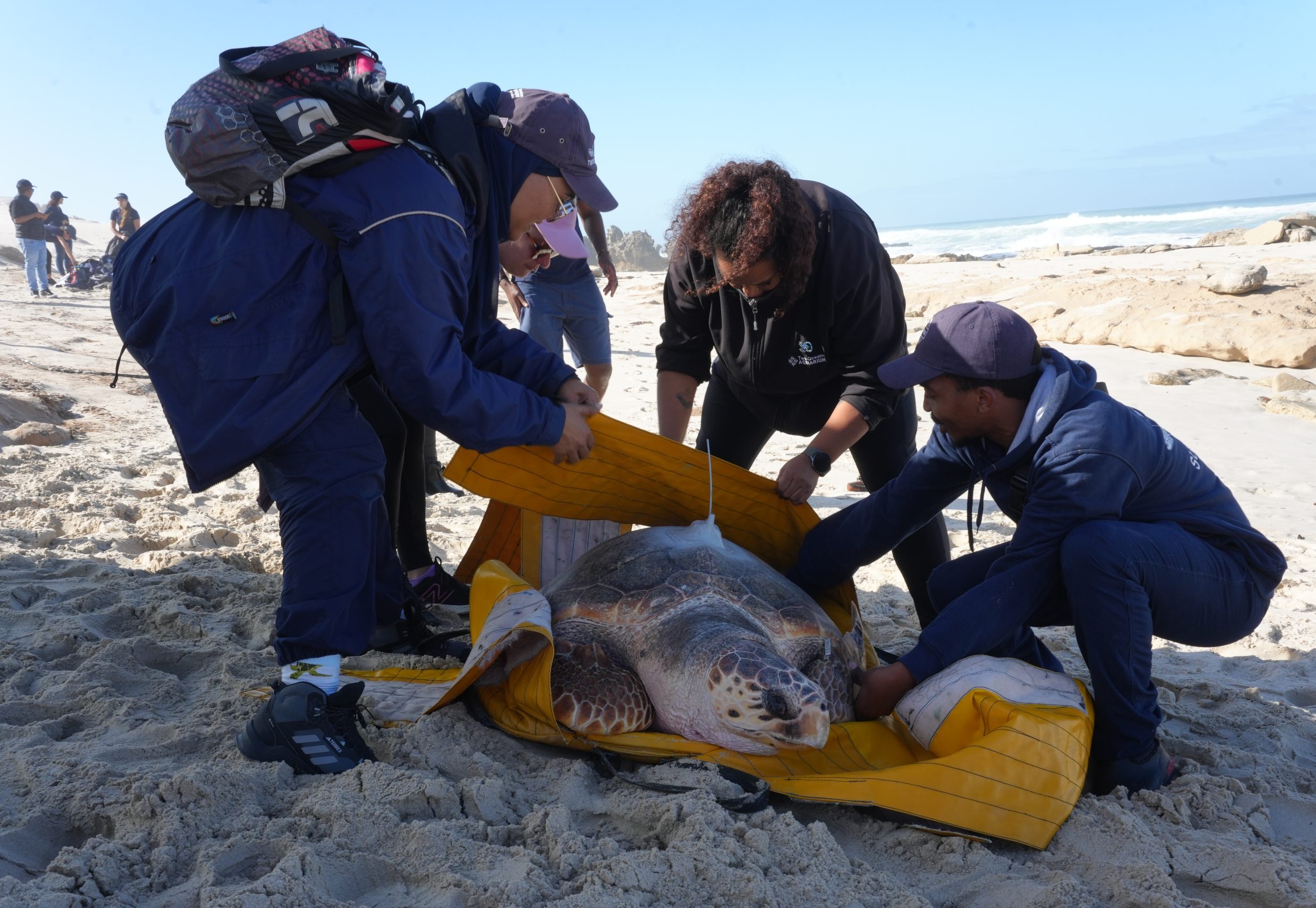
On 14 May 2026, Kai was released into the protected waters of the De Hoop Marine Protected Area (MPA). Only one or two in every 1 000 turtle hatchlings survive to adulthood, so Kai’s release is a milestone moment: He overcame the odds, returning to the ocean as a strong ambassador for this species. Stranded as a hatchling weighing only 53g, Kai now weighs an impressive 100kg. This is the result of years of specialised medical treatment, rehabilitation, and unwavering dedication from the Turtle Conservation Centre team.
“Watching him swim back into the ocean after such a long journey was deeply emotional for everyone who played a role in his recovery,” says Talitha Noble-Trull of the Two Oceans Aquarium Foundation.
Kai’s rehabilitation journey was unlike any other. Initial medical scans revealed severe buoyancy issues caused by uneven lung development and recurring infections, leaving him unable to swim or dive normally.
Over the years, the Turtle Conservation Centre team worked tirelessly to develop innovative solutions to improve Kai’s mobility and quality of life.
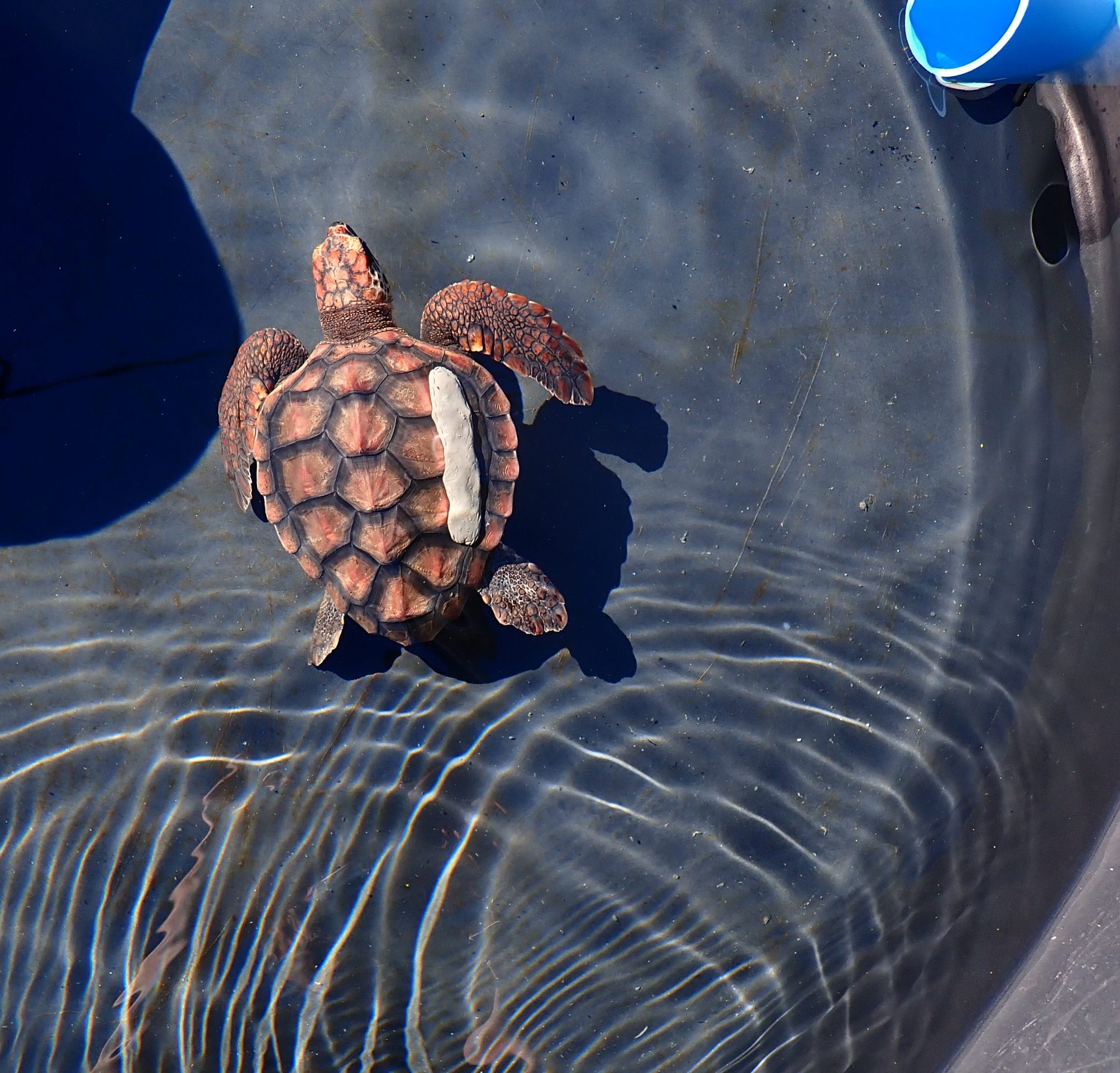
These interventions included physiotherapy, specially designed ballast weights, flotation devices, and ultimately a custom-made buoyancy aid created with the help of an animal prosthetics specialist. The breakthrough device dramatically improved Kai’s balance in the water and paved the way for his release.
A dedicated team supported Kai’s recovery
Kai’s release brought together the dedicated team who supported his recovery, including veterinarians, physiotherapists, conservation staff, CapeNature rangers, and representatives from the Morukuru Goodwill Foundation, who adopted Kai and sponsored his satellite tag.
“Satellite tracking will allow us to follow Kai’s movements and learn more about how rehabilitated turtles adapt once returned to the wild,” says Noble-Trull.
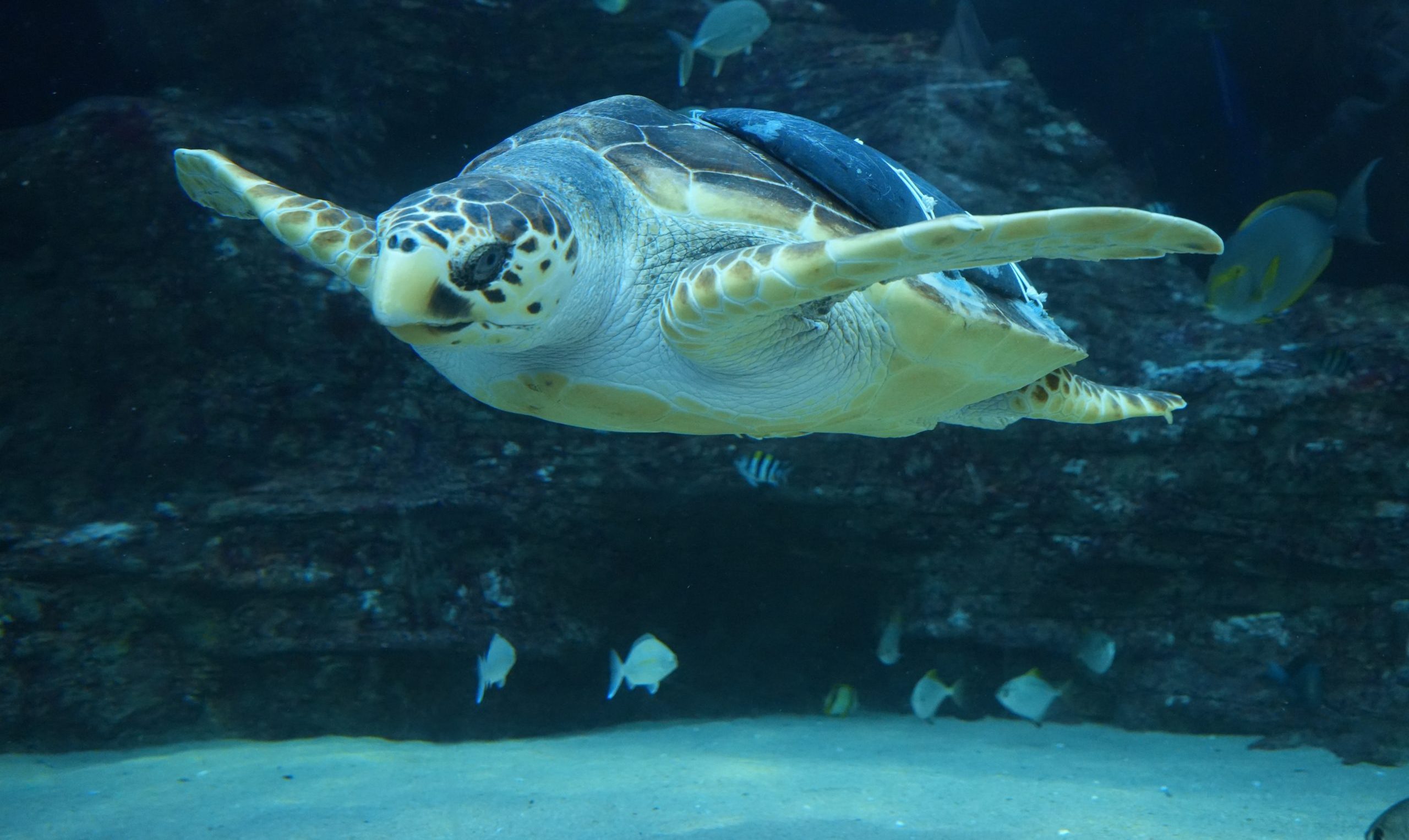
“As ocean travellers, turtles like Kai play a valuable role in transporting nutrients between habitats and maintaining ecosystem health. When he reaches adulthood, we hope Kai will find appropriate female mates that will lay the eggs of future loggerhead turtle hatchlings, thus contributing to the continuation of his species.”
The Turtle Conservation Centre team
The De Hoop MPA, renowned for its rich marine biodiversity and warmer coastal waters, provides an ideal environment for juvenile and subadult turtles transitioning back into the wild. Kai’s release represents not only a victory for one turtle but a powerful example of what collaborative marine conservation can achieve.
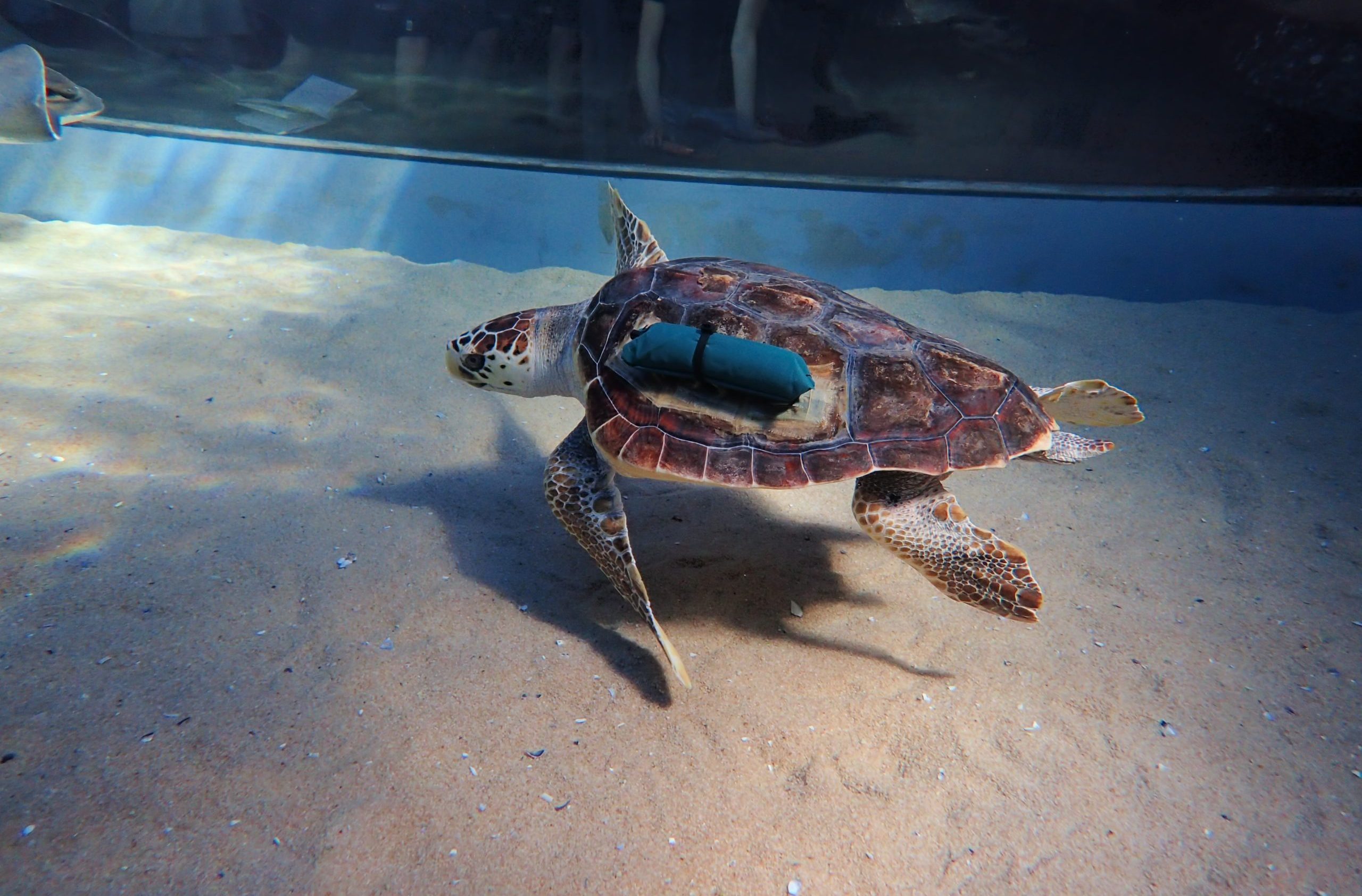
Kai, a small young turtle with one of his weighted therapy devices to correct his buoyancy deficiencies. This was one of many devices used over the six years he was at the Two Oceans Aquarium, which contributed to his successful rehabilitation.As Kai disappeared beneath the waves for the first time in almost six years, the moment served as a poignant reminder that every turtle rescue contributes to the broader future of our oceans and the species that depend on them. The Turtle Conservation Centre team at the Two Oceans Aquarium is delighted to report that the first data points from Kai’s satellite tag have already shown Kai to be exploring the natural richness of De Hoop MPA.