


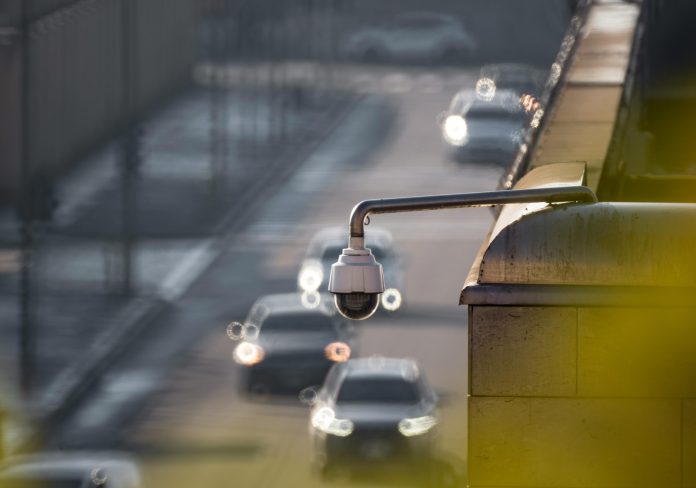
AI traffic cameras could change how motorists are fined. South Africa is entering a new phase of traffic enforcement as the City of Cape Town seeks legal approval to introduce artificial intelligence (AI) cameras capable of detecting seatbelt and cellphone violations.
“Compliance becomes less about avoiding roadblocks and more about consistently following the rules.”
AI traffic cameras: Fines SA warns drivers
According to recent reports, the proposed AI-powered system will automatically identify motorists driving without seatbelts or using their mobile phones behind the wheel – two of the most common and dangerous road offences.
For Fines SA, the development marks a broader shift in how road safety will be managed in the country: from reactive, human-led enforcement to automated, always-on compliance monitoring.
“This is a significant moment for road safety in South Africa. AI doesn’t get tired, it doesn’t get distracted, and it doesn’t negotiate at the roadside. It simply records the offence,” says Barry Berman, CEO of Fines SA.
 Historically, enforcement has relied heavily on visible policing, roadblocks, and officer discretion. AI-driven monitoring changes that dynamic entirely.
Prepare for faster, automated enforcement, says Fines SA: AI traffic cameras
Automated systems operate continuously and consistently. There are no warning waves, no leniency, and no margin for ‘I didn’t realise’.
Berman says, “Motorists are used to thinking that enforcement is something they encounter occasionally. AI changes that mindset. It creates certainty. If you are not wearing a seatbelt or you’re on your phone while driving, the system will detect it.”
While some may view the technology as intrusive, Fines SA believes the long-term impact could be positive, particularly when it comes to behavioural change.
“Consistent enforcement is one of the most effective ways to change driving behaviour,” Berman explains. “When consequences are predictable and unavoidable, habits start to shift. And ultimately, that’s what improves road safety.”
This technological shift
This technological shift is unfolding alongside broader traffic law reforms, including the planned rollout of AARTO and its national demerit system. The introduction of AI enforcement also raises a practical issue: many motorists only discover they have outstanding fines when attempting to renew their licences or when stopped at a roadblock. As enforcement becomes faster and more automated, the window between offence and escalation may shrink.
“Incorporating technology not only detects offences more efficiently, but it also integrates into digital systems that process fines faster,” says Berman. “That means motorists have less time to correct mistakes before penalties escalate to summonses, licence renewal blocks, or additional costs.”
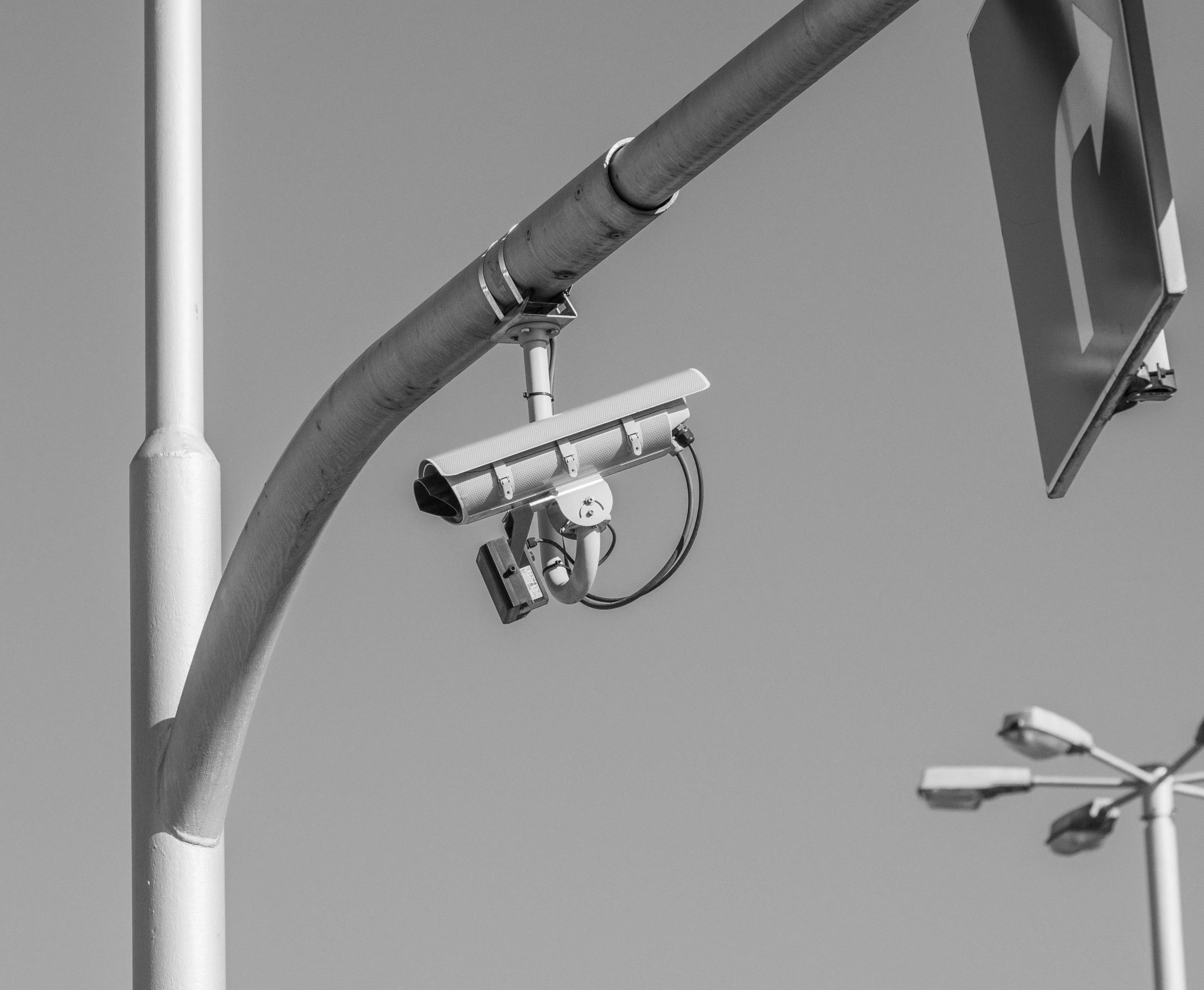
Fines SA positions itself as a compliance partner in this evolving environment, helping motorists track, manage and resolve fines proactively.
“Technology is making it harder to break the rules”
Beyond financial implications, Fines SA believes AI enforcement could reduce roadside conflict and uncertainty. “AI removes emotion and subjectivity from the equation,” Berman says. “There’s less room for argument because the evidence is captured digitally. That transparency can actually protect both motorists and officers.”
“Technology is making it harder to break the rules, but it should also make it easier to stay compliant,” says Berman. “When motorists check their fine status regularly and act early, they can often qualify for early payment discounts, avoid unnecessary legal action, and eliminate the stress of last-minute surprises.”
Once AARTO is fully implemented, repeat offences may also carry demerit implications, further reinforcing the importance of proactive compliance.
With national conversations around the broader AARTO rollout and increased integration between municipal systems, the message from Fines SA is clear: ignoring fines is no longer a viable strategy.
“The era of fines disappearing into the system is coming to an end,” says Berman. “Enforcement technology is advancing rapidly, and motorists need to adjust their approach. Being law-abiding is no longer just about avoiding speed traps, it’s about staying informed, organised, and in control of your driving record.”

AI traffic monitoring will expand
Fines SA encourages motorists to adopt a proactive compliance mindset as AI traffic monitoring expands.
- Wear a seatbelt at all times.
- Never use a cellphone while driving.
- Regularly check for outstanding fines.
- Settle fines as soon as possible to potentially qualify for discounts (where applicable).
- Resolve issues before they escalate to summonses or licence blocks.
“AI enforcement is not about catching people out,” Berman concludes. “It’s about creating safer roads through consistent accountability. Motorists who stay proactive will experience fewer costs, less stress, and greater peace of mind.”
As South African cities explore smarter enforcement tools, one thing is certain: the future of road safety will be digital, and preparation will be key.
For more information, visit the website.
THIS IS AN OPINION PIECE BY FINES SA, A SMART TRAFFIC FINE PLATFORM IN SOUTH AFRICA.