


With the Easter holidays at our doorstep, the City of Cape Town’s Safety and Security Directorate has assured residents that its festive season safety plan covers the year-end holiday season and the Easter break.
The City says its enforcement and emergency services will turn to the festive season operational blueprint to guide public safety efforts.
Mayoral Committee Member for Safety and Security, JP Smith, says the next week and a half will also include a focus on the school holidays.
According to Smith, among the priorities are increased patrols at places of public interest like beaches and malls, ongoing patrols and operations in gang and other crime hotspots, and road safety, in particular long-distance public transport operators and safety on major routes.
Safety checks will be conducted on long-distance operators during this time, as part of Operation Exodus. Between 1 and 3 April, the Transport Enforcement Unit will undertake integrated operations and vehicle checkpoints, focusing on vehicle and driver fitness.
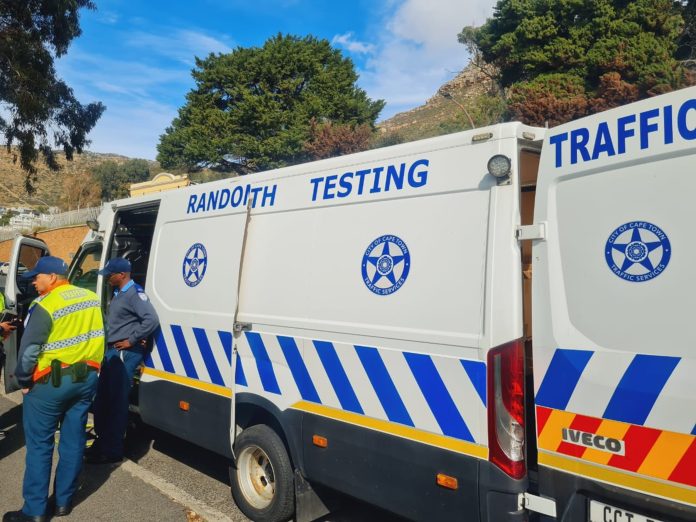
In addition, the Traffic Service will offer free vehicle checks at its Durbanville Vehicle Testing Station between Monday, 30 March and Thursday, 2 April, from 08:00 until 15:00 daily.
“Easter is characterised by increased traffic volumes. The timing of the school break will likely result in higher traffic volumes from this weekend already, as people get a head start on their holiday plans. We are also bracing for other potential challenges,” added Smith
Authorities will reportedly also be on high alert at public spaces such as beaches and parks, as they expect such spaces to be very busy during this time.
Smith added that the use of alcohol in those public spaces is known to be commonplace, and the fire risk remains quite high.

“Our services will be on high alert and as proactive as possible, but public safety is a shared responsibility. So my appeal as we head into this holiday period is to keep your wits about you, be patient and kind and obey all of the rules at all times,”
READ MORE: Schools close, but the need to protect them remains


