


The National Minister for Employment and Labour Nomakhosazana Meth has confirmed that the National Minimum Wage (NMW) will increase to R30.23 per hour, effective 1 March 2026.
The amended NMW was published in the Government Gazette on Tuesday, 3 February, following a period of public participation.
It effectively represents a 5% increase – reflecting an increase of the November annual consumer inflation rate (3,5%) plus 1.5 percentage points.
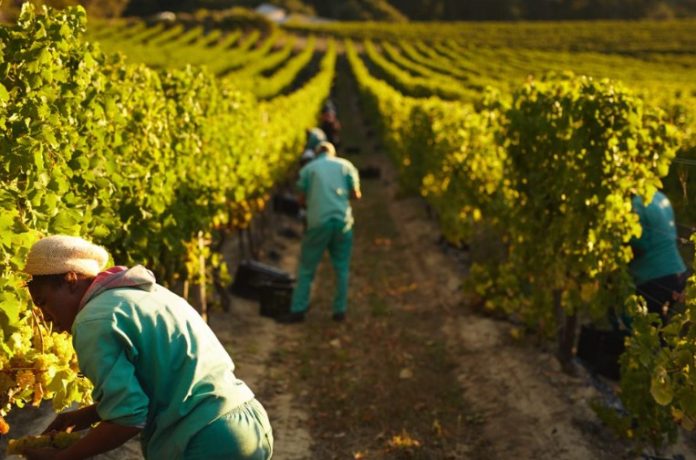
The R1,44 upward move will benefit all workers, including vulnerable farm workers and domestic workers.
Excluded from the NMW increase are workers employed on an expanded public works programme. Because the EPWP workers are employed under a special dispensation, their adjustment will rise from R15,16 per hour to a minimum wage of R16,62 per hour.
Minister Meth says any violation of the National Minimum Wage Act will be subject to fines:
“The NMW is the floor which an employer is legally obligated to remunerate employees for work done. No employee shall be paid below the National Minimum Wage. It cannot be varied by contract, collective agreement or law; and it is also an unfair labour practice for an employer to unilaterally alter hours of work or other conditions of employment in implementing the NMW.”
Meanwhile, AgriSA says while it supports fair and decent wages for farmworkers, this announcement comes at a time of uncertainty for South African agriculture, as the sector is experiencing real and measurable economic losses arising from the ongoing Foot-and-Mouth Disease (FMD) outbreak and ongoing biosecurity challenges.
The livestock industry accounts for between 40% and 45% of agriculture’s contribution to GDP.
AgriSA says the timing of the adjustment will put additional pressure on a sector already under strain.
CEO Johann Kotzé says the sector is emerging from consecutive years of contraction caused by drought, climate volatility, and animal disease outbreaks.
“AgriSA has consistently emphasised that wage policy must be sector-responsive and implementation-aware, particularly in periods of systemic risk such as the current FMD crisis. While the organisation engaged constructively throughout the National Minimum Wage review process, it remains concerned that above-inflation adjustments implemented during a period of animal health emergency may place additional strain on jobs, farm viability, and rural economies.”
For a breakdown of the new National Minimum Wage by sector, click HERE.