


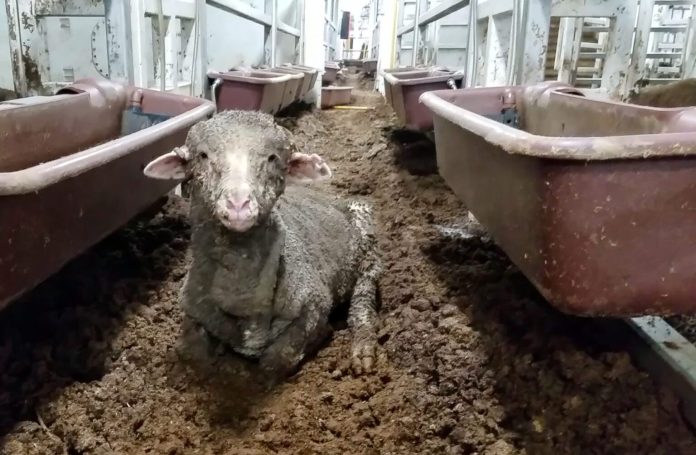
The National Council of SPCAs (NSPCA) has raised alarm over the government’s draft regulations for live animal exports by sea, warning that the proposals are weak, unenforceable and place financial interests above animal welfare.
In July, the Department of Agriculture invited public comments on the Proposed Regulations for the Exportation of Live Animals by Sea, which are intended to replace the Guidelines introduced in March 2023.
However, the NSPCA has made a detailed submission in “outright opposition” to the draft, saying it strips away key safeguards and “protects the industry, not animals”. It is among several other organisations opposing draft regulations.
ALSO READ: International groups join call for SA to ban live animal exports
According to the NSPCA, the regulations carry “no criminal sanctions, no administrative fines, and no enforcement mechanisms”.
It said they also fail to address critical risks such as heat stress during peak summer shipments to the Middle East.
“There is no mandatory embargo on exports to the Middle East during the hottest periods of the year, when animals are most at risk of agonising heat stress in Middle Eastern waters,” said the NSPCA in a statement.
Other concerns include vague provisions around pregnant animals, stocking densities and feed requirements, which the NSPCA warns create loopholes for exporters to exploit.
“The NSPCA must be afforded specific rights regarding mandatory inspection, monitoring and enforcement for the entire lifecycle of the industry.”
ALSO READ: Another livestock carrier causes ‘big stink’, thousands of animals at risk
The organisation also criticises the absence of a clear role for its inspectors, despite a Constitutional Court ruling that the NSPCA is the statutory body responsible for animal protection.
“Regulations without penalties are nothing more than paperwork. The industry must be held accountable, and the law must empower the NSPCA to act when animals’ lives are at risk,” said Senior Inspector Nazareth Appalsamy, manager of the NSPCA’s Farm Animal Protection Unit.
The NSPCA cautions that unless binding standards and enforcement powers are included, it may be forced to seek legal remedies, declaring it “will not stand by while government attempts to rubber-stamp cruelty”.
ALSO READ: NSPCA Expresses Concern: Government’s Soft-Pedalling on Live Exports Will Sink Animal Welfare