
As social media continues to evolve, the National Council of SPCAs (NSPCA) has raised concerns over the alarming rise of animal cruelty content being shared online, particularly on TikTok in South Africa.
This unprecedented trend has led to a shift in the NSPCA’s focus, allocating more resources to investigating “social media crimes” at the expense of traditional fieldwork, including on-the-ground inspections and investigations.
One of the primary challenges posed by these videos is the lack of crucial information, such as the date, time, and location of the incidents. Identifying both the perpetrators of these acts and those distributing the content remains a significant hurdle for authorities.
Disturbing Rise in Cases
In the last quarter of 2024, the NSPCA reported two incidents of severe animal cruelty captured on video and circulated online. This number has increased dramatically, with five cases recorded in January 2025 alone. These incidents include:
- The brutal killing of a warthog.
- The stoning of a brown hyena.
- A man convicted for smoking marijuana through a container containing a live snake.
- A TikTok influencer force-feeding a fish with beer.
- A Nile crocodile kicked, beaten, and having its teeth slashed out.
- A male Chacma baboon chased, beaten, and set alight at a school in Delmas, Mpumalanga.
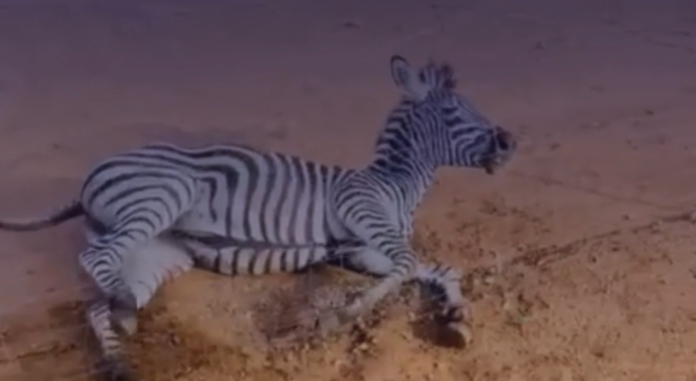
- A zebra hacked to death with an axe while still alive.
This spike in cruelty has led the NSPCA to question why such content gains traction: Are social media users engaging in these acts for attention, or is there an underlying public fascination that fuels the viral nature of such content?
The Psychology Behind Sharing Cruelty Content
To better understand this issue, the NSPCA identified four key types of social media users responsible for the spread of such content:
- Influencers Committing Cruelty for Entertainment: Social media influencers may feel compelled to create shocking content to maintain popularity and influence, particularly on platforms like TikTok, YouTube Shorts, and Instagram Reels. Their primary motivation is often financial gain or social recognition.
- Participants in Group Animal Cruelty: Some incidents, such as the zebra killing, show perpetrators working together with a common purpose. The social dynamics of group settings can diminish personal accountability, leading individuals to partake in or support actions they might otherwise avoid.
- Bystanders Who Do Not Intervene: As seen in the Chacma baboon case, animal cruelty sometimes attracts an audience who films the incident without intervening. This behavior is linked to the psychological concept of “diffusion of responsibility,” where individuals assume someone else will take action.
- Third Parties Sharing Existing Footage: The most common category includes individuals who share animal cruelty content, often intending to raise awareness. However, this can inadvertently normalize the behavior and contribute to its virality.
Psychological Drivers Behind This Trend
Sanam Naran, a counseling psychologist interviewed by the NSPCA, highlighted several psychological factors contributing to the online sharing of animal cruelty videos.
Individuals with certain personality disorders, childhood trauma, or mental health struggles may be more likely to engage in such behavior. Additionally, the desire for social validation and engagement on social media can override ethical concerns.
Furthermore, exposure to violent content on social media has led to widespread desensitization, reducing empathy and making individuals passive observers rather than active challengers of cruelty. Group dynamics and peer pressure also play a role, as individuals may engage in harmful behavior to gain acceptance.
Combating Animal Cruelty on Social Media
To address this issue, the NSPCA advocates for:
- Public awareness campaigns emphasizing that animal cruelty should not be shared for engagement.
- Stricter content moderation on platforms like TikTok and Instagram to automatically flag or remove violent content.
- Broader discussions on the link between mental health and animal cruelty to address the root causes of such behavior.
Conclusion
The rising prevalence of animal cruelty content on social media is a troubling trend that requires urgent action. Whether driven by the pursuit of online fame, social validation, or mere indifference, the sharing of such content perpetuates harm and normalizes violence. The psychological effects of desensitization, peer influence, and digital rewards further exacerbate the problem.
To counteract this toxic trend, a multidimensional approach is needed, combining platform regulation, public education, and ethical responsibility from social media users. By refusing to engage with harmful content, reporting violations, and promoting compassion, a positive shift can be achieved. Ultimately, social media should be a space for positive change, not a platform for suffering.