


The recent winner at the Colorado State Fair’s annual art competition has sparked controversy and anger amongst human artists. This comes after entrant, Jason M. Allen of Pueblo West, created his masterpiece not with a brush and paint, but with an AI programme that turns lines of text into hyper-realistic images. Allen’s work, Theatre D’opera Spatial took home the blue ribbon, beating dozens of other entries in the ‘Digital Arts’ category – making it one of the first AI-generated pieces to win this prize. But others have accused Allen of essentially, cheating. The award came with a $300 prize.
Allen used an AI tool called Midjourney, one of the many tools that already exist and can generate images. This year alone, tools like DALL-E 2 and Stable Diffusion were released. They have made it possible for amateur artists to create complex, photorealistic works simply by typing text into a box. But human artists have not responded well, with many expressing worries about their futures, if people begin generating their artwork. The incidents have created a fierce debate about the ethics of AI art with some claiming that the tools are a refined form of plagiarism.
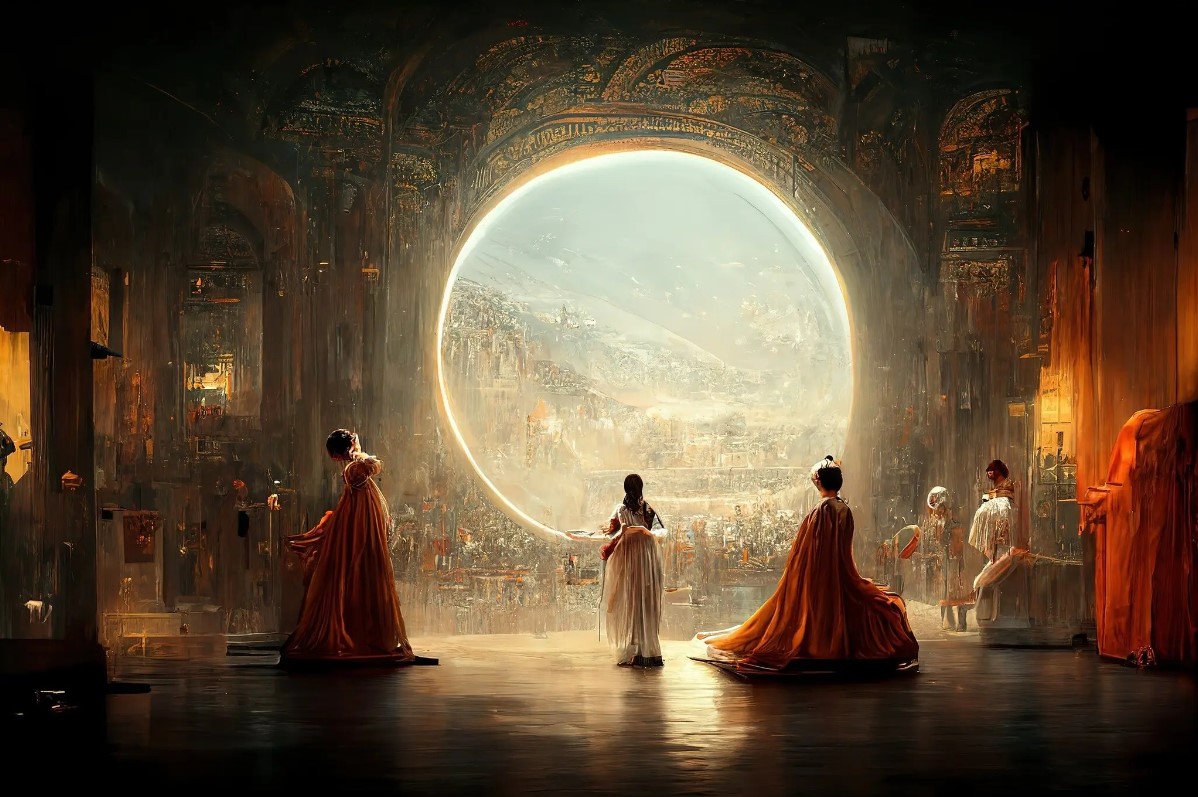
In an interview with The New York Times, Allen says that he empathizes with artists who are afraid of being put out of work by AI tools. But he adds that they should direct their anger toward companies that choose to replace human artists with AI-programmed artists, “it shouldn’t be an indictment of the technology itself…The ethics isn’t in technology. It’s in the people.” In the interview, he declined to share the exact text he put into Midjourney to create his work, Theatre D’opera Spatial. But added that the French translation – Space Opera Theatre – was a clue. “This isn’t going to stop,” Allen told The New York Times, “Art is dead, dude. It’s over. A.I. won. Humans lost.”
While some have expressed fear and anger, others have marvelled at the work, and others have suggested that AI-generated art should have a separate category in future art competitions. In an interview with the Pueblo Chieftain newspaper, Allen also suggested that this would be a way to resolve any future conflict, “I’m okay with that, there’s no problem with that. But someone had to be first”.
According to a local Colorado paper, the judges assigned to the category were not aware that Allen’s work was AI-generated. But they also reportedly said that they would not have changed their decision had they known, as they were looking for art that ‘invokes the spirit’.
zahraa@smile904.fm
- Robots will soon snip snip in Urology
- First for Africa – Robotic assisted cardiothoracic surgery comes to SA
- Keeping Your Millennials Happy in the Workplace