


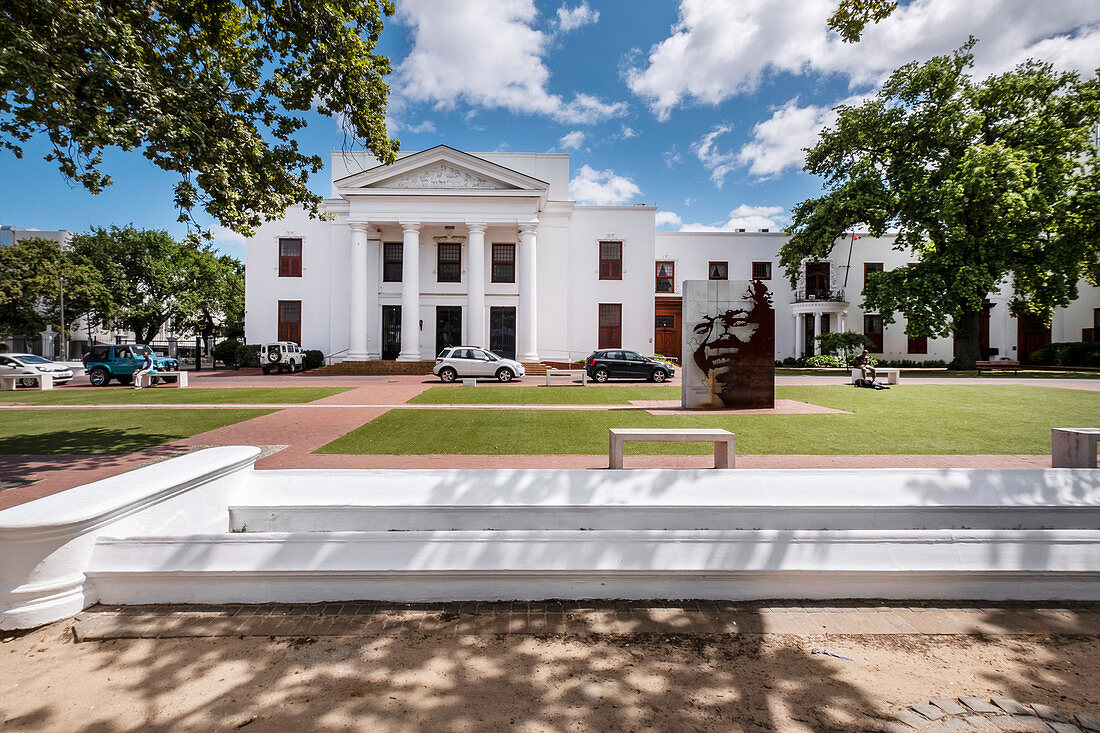
Stellenbosch mayor, Gesie van Deventer, says the Stellenbosch Municipality started fighting back in January 2021 to protect residents and businesses from loadshedding.
Van Deventer says the municipality has determined that the town needs 75MW of electricity, during peak times, to completely avoid the implementation of loadshedding.
She says the ultimate goal is to, in the near future, be completely independent of Eskom for electricity.
Van Deventer says the municipality supports the DA’s call for Eskom to be declared a state of disaster.
She agrees that drastic change is needed at the power utility to restore the country’s generation capabilities to full capacity.
The Democratic Alliance this week called on the government to declare a state of disaster at power-utility, Eskom.
The party says ridding the country of loadshedding is a whole of society approach anchored on making energy-generation South Africa’s biggest priority over the next 5 years.
DA spokesperson for Energy, Kevin Mileham says loadshedding has robbed unemployed South Africans of the chance of finding employment.
Mileham says the power interruptions also damage the country’s reputation as an investment destination.
Read the mayor’s complete statement here.
Related articles:
- Cape Town aims to become the first loadshedding-free city in South Africa.
- Ramaphosa: Mining sector has an important role to play in South Africa’s just energy transition.
- Eskom says it made land available for the erection of renewable-energy production plants.
GETTING THINGS DONE – #Stellenbosch on track to keep the lights on. Mayor van Deventer installed the first set of solar panels on municipal properties today.
Read more here: https://t.co/kLT9Psv7GN pic.twitter.com/yWvaxbFYS5
— Stellenbosch Municipality (@StellMun) April 6, 2022