


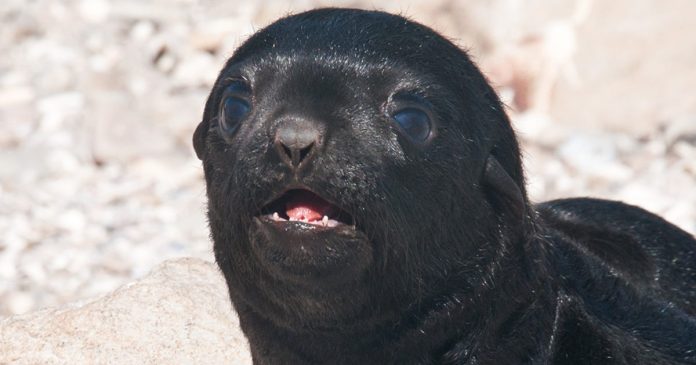
Since the first case of rabies in seals was recorded earlier this month, a total number of five cases have been confirmed.
With this in mind, an intergovernmental committee comprising of the National Department of Forestry, Fisheries and the Environment, South African National Parks, the Western Cape Government, the City of Cape Town, and various other local stakeholders has been established to address the outbreak.
A statement by the City of Cape Town reads that they will be implementing “a range of management interventions”.
READ MORE: Rabies warning for Cape Fur Seals
What to know
The City says finding rabies in Cape Fur Seals is new, with the earliest confirmed case identified in October last year. However, it says it is no cause for panic as rabies regularly occurs within wildlife populations.
All the coastlines where Cape Fur Seals are found have been alerted to the outbreak, for all affected areas to take heed of public health information. Cases have, however, only been detected in Cape Town thus far.
Meanwhile, there is no need for rabies vaccination for the general public as yet. The City says the Western Cape Government, in consultation with the National Institute of Communicable Diseases, will issue a public health advisory if anything changes.
“But anyone bitten by a seal must seek immediate medical assistance and get Post Exposure Prophylaxis.”
The City has noted that seals are a common sight on our coastline. As such the presence of seals or seal carcasses does not necessarily indicate rabies.
LEARN MORE: Rabies prevention and control
Public Guidelines
The City has urged members of the public to adhere to the following guidelines:
- Always keep your distance from seals, both in the water and on land.
- Do not interfere with, attempt to handle, touch, or restrain a seal.
- It is illegal to harm or interfere with a seal.
- Refrain from interacting with seals in harbours, particularly with seal feeders in Hout Bay harbour.
- Ensure dogs are under control at all times and preferably on a lead wherever seals may occur.
- Do not touch, handle, or consume a seal carcass or any of its parts.
- Follow instructions from City officials, City lifesaving staff, Table Mountain National Park staff, or their representatives to vacate the sea or coastal areas.
- Report any seal incidents or attacks/bites immediately to the City at 021 480 7700.
“The intergovernmental committee will implement a range of actions to monitor infection rates in seals, to undertake ongoing sampling, testing and assessment of the extent of rabies infection in the Cape Fur Seal population.”


